Mushroom
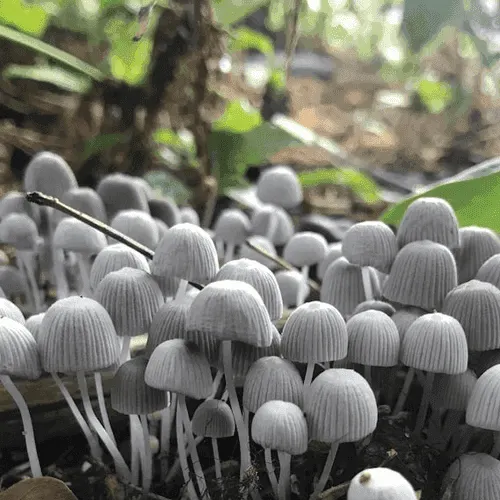
Other names edible fungi
Mushroom: high in FODMAPs; moderate in sorbitol; low in histamine, tyramine and salicylate. If you're sensitive to any of these, check it against your profile before eating.
Intolerances
- FODMAPsHigh
Mannitol is the mushroom's own osmolyte - what it makes to hold water and survive drying - so it is not an impurity that better farming would remove. It is water-soluble, which is the one lever available: tinned mushrooms leave much of it in the brine and measure well below fresh ones.
Sources· 1
- Lenhart A. & Chey W.D., Adv Nutr 8 (2017) 587-596, systematic review of the effects of polyols
- SorbitolFODMAPsModerate
Mushrooms carry mannitol, sorbitol's near neighbour, which is why a polyol profile flags them. Canned mushrooms are lower - the polyol leaches into the brine and is poured away.
Sources· 1
- Lenhart A. & Chey W.D., Adv Nutr 8 (2017) 587-596, a systematic review of 79 studies on the effects of polyols
- Histamine (+liberators / DAO inhibitors)Low
Mushroom is low when fresh, and that qualifier does more work here than usual. Mushrooms are mostly water and spoil from the inside, and it is that spoilage that builds histamine; a fresh one is low, one that has darkened in the fridge is not. Dried mushrooms have spent weeks doing exactly what drying does.
Sources· 1
- SIGHI — Swiss Interest Group Histamine Intolerance, food-compatibility list, for the entry, its rating and its letters
- TyramineLow
Mushroom is low in tyramine fresh. Mushrooms have been surveyed processed and unprocessed, and it is the processing that moves them - dried, pickled or left to darken, they carry more than they did in the punnet.
- SalicylateLow
Mushrooms are low in salicylate, and cooking does not change it. They are notable on the amine axes rather than this one.
- SucroseNone
- LactoseFODMAPsNone
- OligosaccharidesFODMAPsNone
- FructoseFODMAPsNone
- NickelNone
- OxalatesNone
- GlutenNo
Intolerance levels are based on our documented scientific sources. See sources →
Note about this food
Mushrooms can be high in histamine or act as histamine liberators, especially when aged or improperly stored.
React to FODMAPs? Check these too








More in Vegetables
 Artichoke
 Artichoke heart
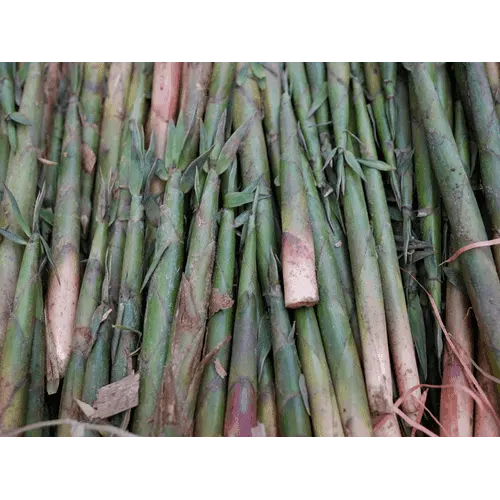 Bamboo shoots
 Beetroot
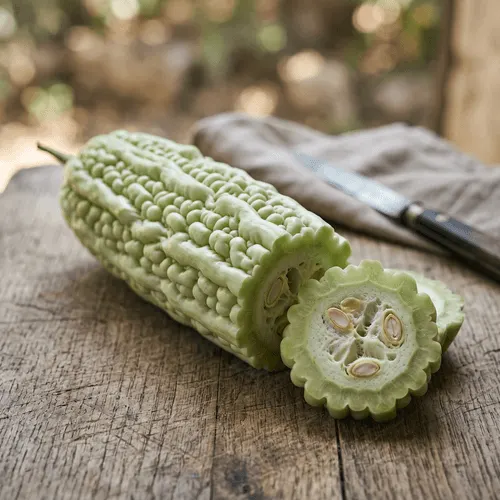 Bitter gourd
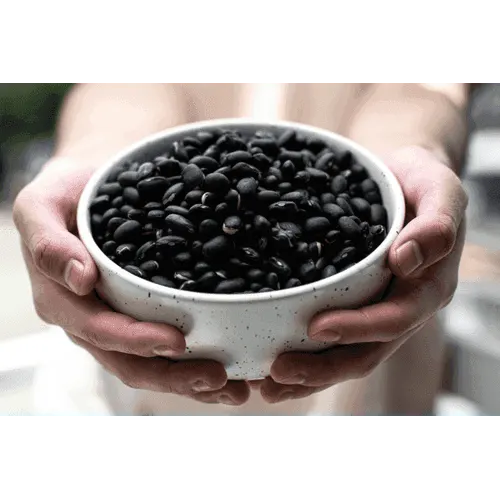 Black beans
 Broccoli
 Brussels sprouts
 Cabbage
 Carrot
 Cassava
 Cauliflower
Frequently asked questions
Which intolerances does mushroom affect?
Mushroom is notable for FODMAPs, sorbitol, histamine, tyramine and salicylate. Clear on sucrose, lactose, oligosaccharides, fructose, nickel, oxalates and gluten.
Does mushroom contain FODMAPs?
Yes — mushroom is high in FODMAPs. Mannitol is the mushroom's own osmolyte - what it makes to hold water and survive drying - so it is not an impurity that better farming would remove. It is water-soluble, which is the one lever available: tinned mushrooms leave much of it in the brine and measure well below fresh ones.
Does mushroom contain sorbitol?
Mushroom contains moderate levels of sorbitol. Mushrooms carry mannitol, sorbitol's near neighbour, which is why a polyol profile flags them. Canned mushrooms are lower - the polyol leaches into the brine and is poured away.
Does mushroom contain histamine?
Mushroom contains only low levels of histamine. Mushroom is low when fresh, and that qualifier does more work here than usual. Mushrooms are mostly water and spoil from the inside, and it is that spoilage that builds histamine; a fresh one is low, one that has darkened in the fridge is not. Dried mushrooms have spent weeks doing exactly what drying does.
Does mushroom contain tyramine?
Mushroom contains only low levels of tyramine. Mushroom is low in tyramine fresh. Mushrooms have been surveyed processed and unprocessed, and it is the processing that moves them - dried, pickled or left to darken, they carry more than they did in the punnet. Amounts vary by brand and recipe, so always check the label of the exact product.
Check any product in seconds
Scan a barcode with the Yllo app and see straight away whether a product fits your intolerances.