Cassava
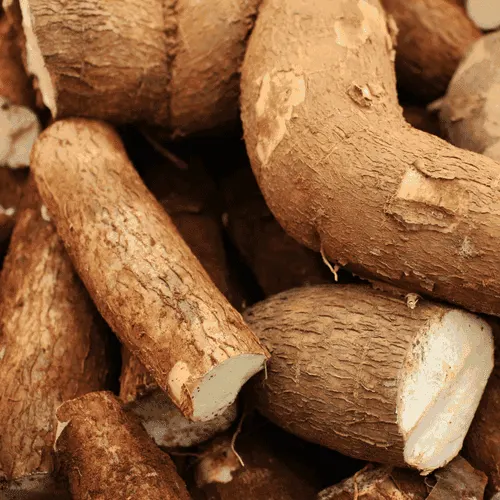
Other names manioc, yuca
Cassava: moderate in oxalates; low in salicylate and nickel. If you're sensitive to any of these, check it against your profile before eating.
Intolerances
- OxalatesModerate
Cassava is moderate here, and it is the one vegetable on this list where the processing is not optional: it must be soaked, fermented or boiled to remove its cyanogenic compounds, and every one of those steps also takes soluble oxalate away. Safety and this axis pull the same way.
Sources· 2
- Chai W & Liebman M, J Agric Food Chem 53 (2005), 3027-3030, which measured 30-87 % loss of soluble oxalate on boiling against 5-53 % on steaming
- Noonan SC & Savage GP, Asia Pac J Clin Nutr 8 (1999)
- SalicylateLow
Low as the peeled root. Cassava must be peeled and cooked for unrelated safety reasons, so the salicylate-lowering step is already mandatory.
- NickelLow
Cassava is a root that stays in the ground for a year or more, but the processing it must have - peeling, soaking, cooking - to remove its cyanogenic compounds takes soluble minerals out with them. The nickel here follows a survey of heavy metals in VEGETABLES. A vegetable takes up what its soil holds, so a figure of this kind describes the growing region as much as the plant.
Sources· 1
- Guerra F. et al., Scientia Agricola 69:1 (2012) 54-60, heavy metals in vegetables
- Histamine (+liberators / DAO inhibitors)None
- TyramineNone
- SucroseNone
- FODMAPsNone
- LactoseFODMAPsNone
- OligosaccharidesFODMAPsNone
- SorbitolFODMAPsNone
- FructoseFODMAPsNone
- GlutenNone
Intolerance levels are based on our documented scientific sources. See sources →
React to Oxalates? Check these too









More in Vegetables
 Artichoke
 Artichoke heart
 Bamboo shoots
 Beetroot
 Bitter gourd
 Black beans
 Broccoli
 Brussels sprouts
 Cabbage
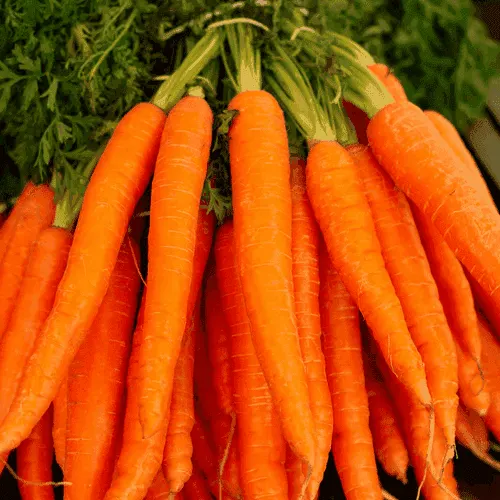 Carrot
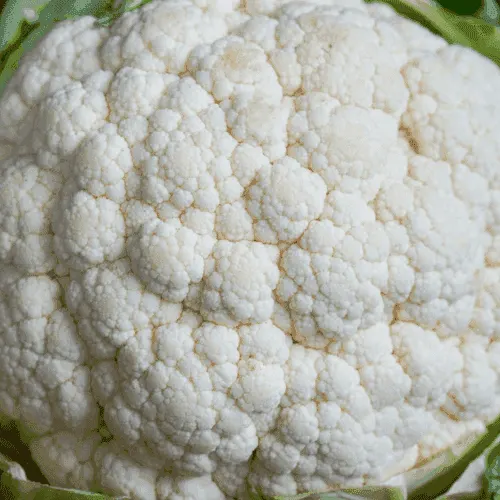 Cauliflower
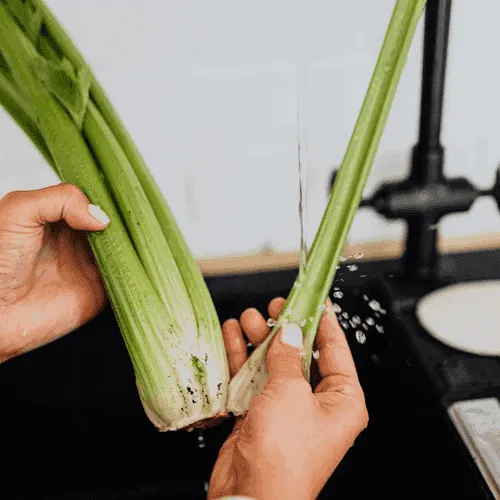 Celery
Frequently asked questions
Which intolerances does cassava affect?
Cassava is notable for oxalates, salicylate and nickel. Clear on histamine, tyramine, sucrose, FODMAPs, lactose, oligosaccharides, sorbitol, fructose and gluten.
Does cassava contain oxalates?
Cassava contains moderate levels of oxalates. Cassava is moderate here, and it is the one vegetable on this list where the processing is not optional: it must be soaked, fermented or boiled to remove its cyanogenic compounds, and every one of those steps also takes soluble oxalate away. Safety and this axis pull the same way.
Does cassava contain salicylate?
Cassava contains only low levels of salicylate. Low as the peeled root. Cassava must be peeled and cooked for unrelated safety reasons, so the salicylate-lowering step is already mandatory.
Does cassava contain nickel?
Cassava contains only low levels of nickel. Cassava is a root that stays in the ground for a year or more, but the processing it must have - peeling, soaking, cooking - to remove its cyanogenic compounds takes soluble minerals out with them. The nickel here follows a survey of heavy metals in VEGETABLES. A vegetable takes up what its soil holds, so a figure of this kind describes the growing region as much as the plant. Amounts vary by brand and recipe, so always check the label of the exact product.
Check any product in seconds
Scan a barcode with the Yllo app and see straight away whether a product fits your intolerances.