Beetroot
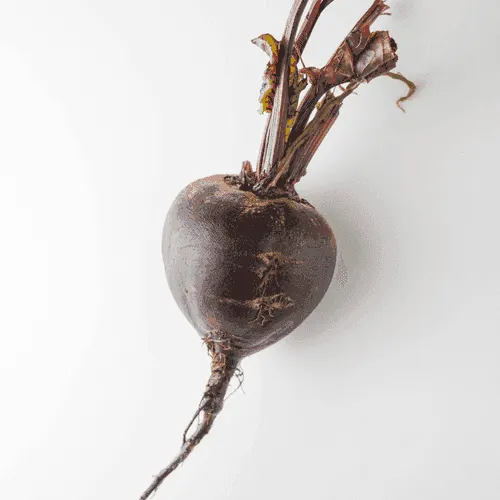
Other names beet, beet root
Beetroot: high in salicylate, FODMAPs and oxalates; low in sucrose. If you're sensitive to any of these, check it against your profile before eating.
Intolerances
- SalicylateHigh
Beetroot is high in salicylates, and the concentrated forms — juice and powdered supplements taken for sport — deliver several roots' worth in one go.
Sources· 1
- Scotter M.J. et al., Food Chemistry 105 (2007), free and acetyl salicylic acid in foods by GC-MS, and Venema D. et al., J Agric Food Chem 44 (1996), acetylsalicylic and salicylic acid in foods by HPLC
- FODMAPsHigh
Beetroot is the sugar beet's close relative and it shows: it carries sucrose in quantity, and fructans on top. Pickled beetroot measures lower than roasted, because the sliced root sits in vinegar and the water-soluble sugars move into it.
Sources· 1
- Muir J et al., J Agric Food Chem 55 (2007) 6619-6627 and 57 (2009) 554-565, fructans and short-chain carbohydrates measured in Australian vegetables and fruit
- OxalatesHigh
Beetroot is high in oxalate, and boiling is the lever that works: measured across vegetables, boiling removes 30 to 87 per cent of the soluble oxalate against 5 to 53 per cent for steaming, and the loss turns up in the water. So boil it and pour the water away - which is the opposite of how beetroot is usually roasted.
Sources· 2
- Chai W & Liebman M, J Agric Food Chem 53 (2005), 3027-3030, which measured 30-87 % loss of soluble oxalate on boiling against 5-53 % on steaming
- Noonan SC & Savage GP, Asia Pac J Clin Nutr 8 (1999)
- SucroseLow
Beetroot is the plant table sugar is made from, and a fresh beet does carry sucrose - but at a few percent of its weight, not the seventeen the refinery extracts from the sugar variety. Salad beet and sugar beet are different crops.
- Histamine (+liberators / DAO inhibitors)None
- TyramineNone
- LactoseFODMAPsNone
- OligosaccharidesFODMAPsNone
- SorbitolFODMAPsNone
- FructoseFODMAPsNone
- NickelNone
- GlutenNone
Intolerance levels are based on our documented scientific sources. See sources →
React to Salicylate? Check these too

More in Vegetables
 Artichoke
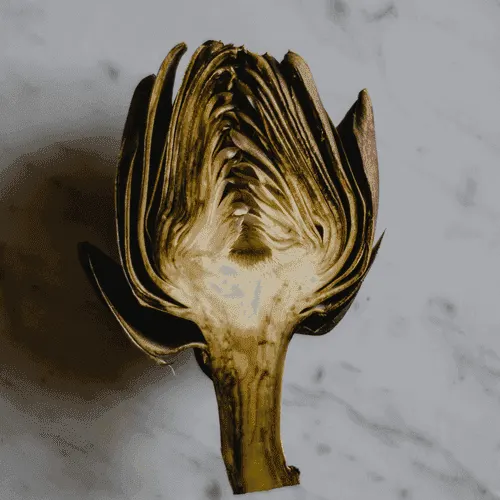 Artichoke heart
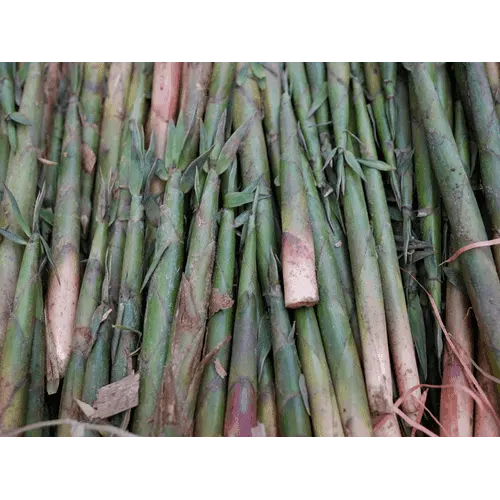 Bamboo shoots
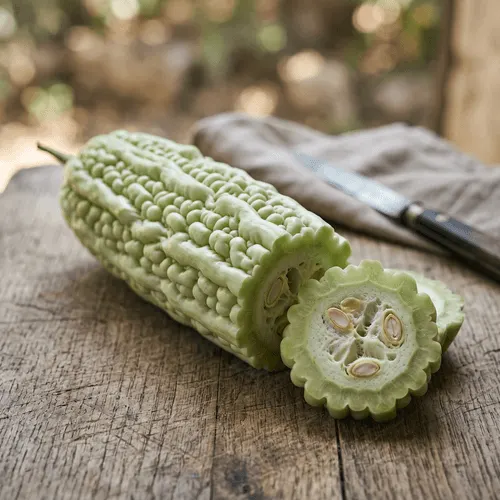 Bitter gourd
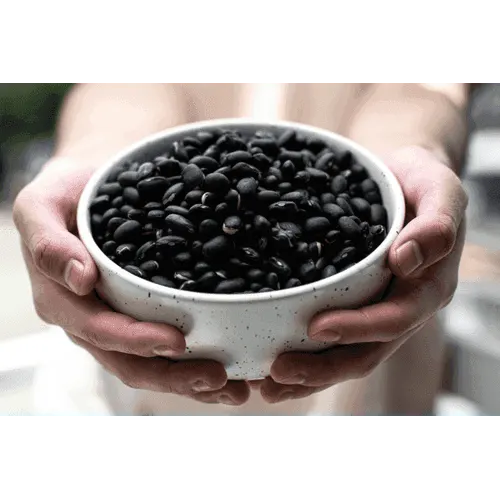 Black beans
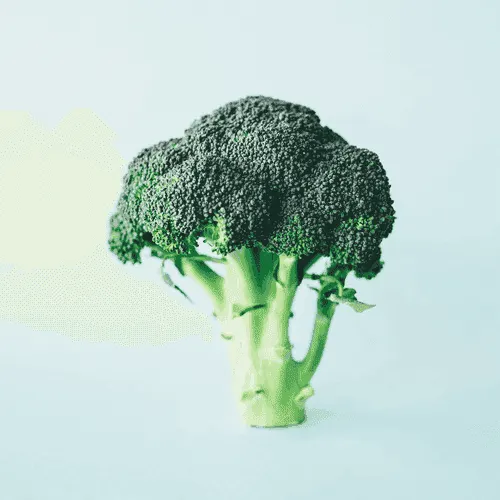 Broccoli
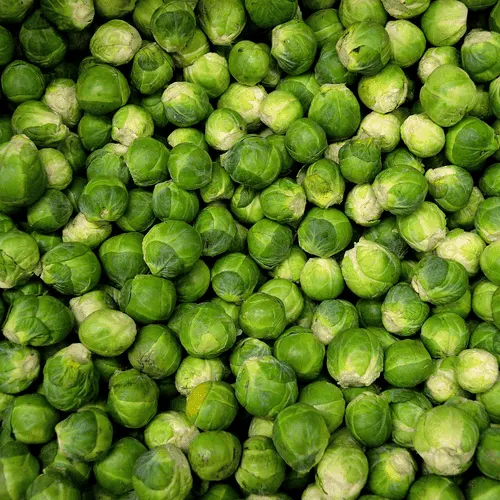 Brussels sprouts
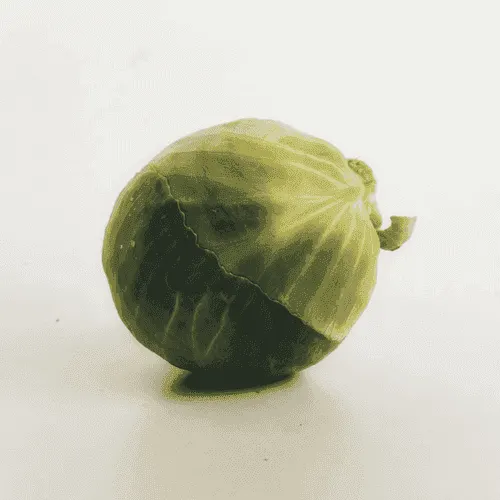 Cabbage
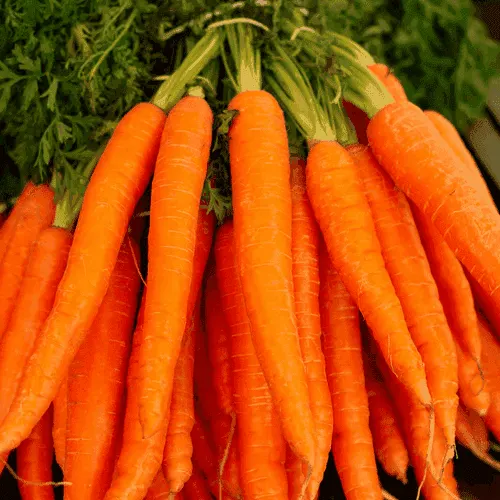 Carrot
 Cassava
 Cauliflower
 Celery
Frequently asked questions
Which intolerances does beetroot affect?
Beetroot is notable for salicylate, FODMAPs, oxalates and sucrose. Clear on histamine, tyramine, lactose, oligosaccharides, sorbitol, fructose, nickel and gluten.
Does beetroot contain salicylate?
Yes — beetroot is high in salicylate. Beetroot is high in salicylates, and the concentrated forms — juice and powdered supplements taken for sport — deliver several roots' worth in one go.
Does beetroot contain FODMAPs?
Yes — beetroot is high in FODMAPs. Beetroot is the sugar beet's close relative and it shows: it carries sucrose in quantity, and fructans on top. Pickled beetroot measures lower than roasted, because the sliced root sits in vinegar and the water-soluble sugars move into it.
Does beetroot contain oxalates?
Yes — beetroot is high in oxalates. Beetroot is high in oxalate, and boiling is the lever that works: measured across vegetables, boiling removes 30 to 87 per cent of the soluble oxalate against 5 to 53 per cent for steaming, and the loss turns up in the water. So boil it and pour the water away - which is the opposite of how beetroot is usually roasted.
Does beetroot contain sucrose?
Beetroot contains only low levels of sucrose. Beetroot is the plant table sugar is made from, and a fresh beet does carry sucrose - but at a few percent of its weight, not the seventeen the refinery extracts from the sugar variety. Salad beet and sugar beet are different crops. Amounts vary by brand and recipe, so always check the label of the exact product.
Check any product in seconds
Scan a barcode with the Yllo app and see straight away whether a product fits your intolerances.