Wheat
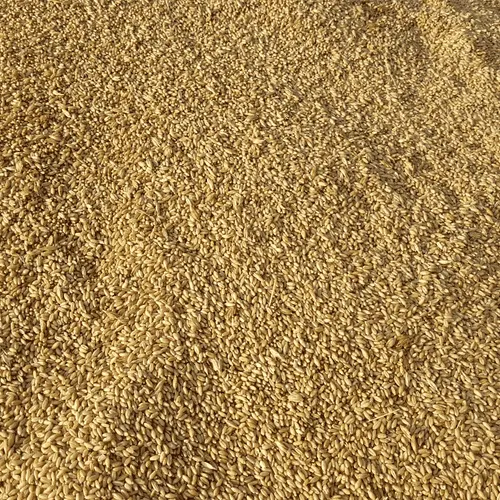
Other names wheat flour starch, wheat-based starch
Wheat: high in FODMAPs, oligosaccharides and gluten; moderate in oxalates; low in nickel. If you're sensitive to any of these, check it against your profile before eating.
Intolerances
- FODMAPsHigh
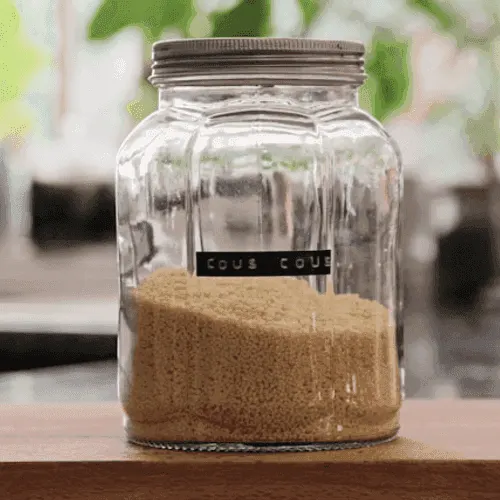
Wheat is high here because of fructans, which live in the grain and have nothing to do with gluten. That distinction decides what helps: a gluten-free label does not lower the fructans of a food that never claimed to be wheat-free, and a wheat food eaten in a small portion may pass where a large one does not. Across the bread aisle the brand decides more than the type, gluten-free loaves included. One figure puts this in proportion, and it is about the diet rather than the plant: in a survey of more than 15,000 Americans, WHEAT SUPPLIED ABOUT 70 PER CENT of all the inulin and oligofructose eaten, and onions about 25 - two foods for roughly 95 per cent of the total, against a daily average of 2.6 g of inulin and 2.5 g of oligofructose. That share belongs to a particular cuisine, not to the crop: a diet built on chicory or artichoke would divide differently. Fructan measured PER PORTION AS EATEN, rather than per hundred grams, changes which wheat food matters: across 55 grain products couscous came out highest at 1.12 g a portion, ahead of wheat-free muesli at 0.96 and dark rye bread at 0.60, with oats at 0.11 and rice at zero. A portion is what a person eats; a hundred grams is a laboratory convenience.
Sources· 3
- Whelan K et al., Int J Food Sci Nutr 62:5 (2011) 498-503, fructan measured in wheat, rye and gluten-free breads
- Moshfegh A.J. et al., J Nutr 129:7 Suppl (1999) 1407S-1411S, inulin and oligofructose in the diets of Americans
- Biesiekierski J. et al., J Hum Nutr Diet 24:2 (2011) 154-176, fructans and galacto-oligosaccharides per portion as eaten in 55 grain products
- OligosaccharidesFODMAPsHigh
Same reason as the FODMAP level: wheat fructans, which live in the grain and are unrelated to gluten. That is why removing gluten does not remove this - and why long sourdough fermentation, which feeds the fructans to the bacteria, does. One figure puts this in proportion, and it is about the diet rather than the plant: in a survey of more than 15,000 Americans, WHEAT SUPPLIED ABOUT 70 PER CENT of all the inulin and oligofructose eaten, and onions about 25 - two foods for roughly 95 per cent of the total, against a daily average of 2.6 g of inulin and 2.5 g of oligofructose. That share belongs to a particular cuisine, not to the crop: a diet built on chicory or artichoke would divide differently.
Sources· 1
- Moshfegh A.J. et al., J Nutr 129:7 Suppl (1999) 1407S-1411S, inulin and oligofructose in the diets of Americans
- GlutenContains
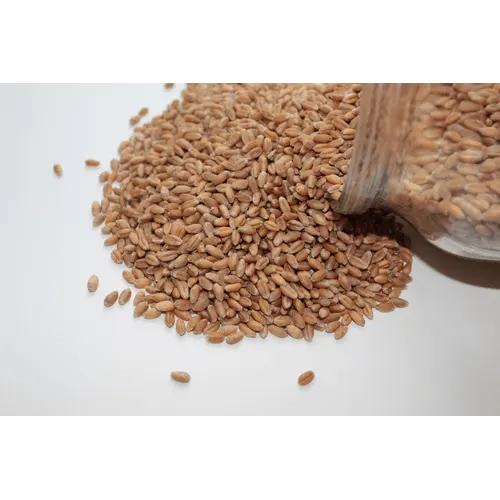
Wheat is the cereal the whole gluten question is about. Gluten is the protein network that forms when wheat flour meets water - it is not an additive or a contaminant but the thing that makes bread hold together. Which wheats, exactly, is a question the coeliac associations answer rather than leave to the reader: AFDIAG lists every Triticum species — froment, durum, einkorn, spelt, Kamut — with barley and rye, and the hybrids such as triticale, as the prohibited cereals. Spelt and Kamut being wheat is the part most often missed at a bakery counter.
Sources· 3
- AFDIAG, les trois céréales interdites et le cas de l'avoine
- Coeliac UK, gluten-free diet guidance
- Regulation (EU) No 1169/2011, Annex II, the fourteen allergens requiring declaration
- OxalatesModerate
Whole wheat carries its oxalate in the bran layer, so the level depends entirely on how refined the flour is - white flour has had that layer removed. Siener measured that layer: whole grain wheat runs 53.3 to 76.6 mg of total oxalate per 100 g across three species, and the bran alone 457.4. This is one of the few axes where the refined version of a grain is the gentler one.
Sources· 3
- Israr B et al., Food Chemistry 141 (2013), 1690-1693, on phytate freeing soluble oxalate by binding calcium
- Gad S et al., Food Chemistry 8 (1982)
- Siener R et al., J Agric Food Chem 54:8 (2006) 3008-3011, oxalate content of cereals and cereal products
- NickelLow
Wheat carries little nickel, and what it holds sits in the bran and germ rather than in the starch — milling to white flour takes them out, wholegrain keeps them. Two national surveys put bread and cereals among the groups that deliver most of the dietary nickel — near the top because they are eaten in quantity rather than because they are concentrated, and neither publishes a figure for a single grain.
Sources· 2
- Smart G.A. & Sherlock J.C., Food Addit Contam 4 (1987) 61-71, nickel in foods and the diet
- Flyvholm M-A et al., Z Lebensm Unters Forsch 179 (1984) 427-431
- Histamine (+liberators / DAO inhibitors)None
- TyramineNone
- SalicylateNone
- SucroseNone
- LactoseFODMAPsNone
- SorbitolFODMAPsNone
- FructoseFODMAPsNone
Intolerance levels are based on our documented scientific sources. See sources →
React to FODMAPs? Check these too


More in Grains
 Amaranth
 Barley
 Basmati rice
 Brown rice
 Buckwheat
 Bulgur
 Corn
Corn Corn bran
 Cornmeal
 Couscous
 Durum wheat
- Jasmine rice
Frequently asked questions
Which intolerances does wheat affect?
Wheat is notable for FODMAPs, oligosaccharides, gluten, oxalates and nickel. Clear on histamine, tyramine, salicylate, sucrose, lactose, sorbitol and fructose.
Does wheat contain FODMAPs?
Yes — wheat is high in FODMAPs. Wheat is high here because of fructans, which live in the grain and have nothing to do with gluten. That distinction decides what helps: a gluten-free label does not lower the fructans of a food that never claimed to be wheat-free, and a wheat food eaten in a small portion may pass where a large one does not. Across the bread aisle the brand decides more than the type, gluten-free loaves included. One figure puts this in proportion, and it is about the diet rather than the plant: in a survey of more than 15,000 Americans, WHEAT SUPPLIED ABOUT 70 PER CENT of all the inulin and oligofructose eaten, and onions about 25 - two foods for roughly 95 per cent of the total, against a daily average of 2.6 g of inulin and 2.5 g of oligofructose. That share belongs to a particular cuisine, not to the crop: a diet built on chicory or artichoke would divide differently. Fructan measured PER PORTION AS EATEN, rather than per hundred grams, changes which wheat food matters: across 55 grain products couscous came out highest at 1.12 g a portion, ahead of wheat-free muesli at 0.96 and dark rye bread at 0.60, with oats at 0.11 and rice at zero. A portion is what a person eats; a hundred grams is a laboratory convenience.
Does wheat contain oligosaccharides?
Yes — wheat is high in oligosaccharides. Same reason as the FODMAP level: wheat fructans, which live in the grain and are unrelated to gluten. That is why removing gluten does not remove this - and why long sourdough fermentation, which feeds the fructans to the bacteria, does. One figure puts this in proportion, and it is about the diet rather than the plant: in a survey of more than 15,000 Americans, WHEAT SUPPLIED ABOUT 70 PER CENT of all the inulin and oligofructose eaten, and onions about 25 - two foods for roughly 95 per cent of the total, against a daily average of 2.6 g of inulin and 2.5 g of oligofructose. That share belongs to a particular cuisine, not to the crop: a diet built on chicory or artichoke would divide differently.
Does wheat contain gluten?
Yes — wheat is high in gluten. Wheat is the cereal the whole gluten question is about. Gluten is the protein network that forms when wheat flour meets water - it is not an additive or a contaminant but the thing that makes bread hold together. Which wheats, exactly, is a question the coeliac associations answer rather than leave to the reader: AFDIAG lists every Triticum species — froment, durum, einkorn, spelt, Kamut — with barley and rye, and the hybrids such as triticale, as the prohibited cereals. Spelt and Kamut being wheat is the part most often missed at a bakery counter.
Does wheat contain oxalates?
Wheat contains moderate levels of oxalates. Whole wheat carries its oxalate in the bran layer, so the level depends entirely on how refined the flour is - white flour has had that layer removed. Siener measured that layer: whole grain wheat runs 53.3 to 76.6 mg of total oxalate per 100 g across three species, and the bran alone 457.4. This is one of the few axes where the refined version of a grain is the gentler one. Amounts vary by brand and recipe, so always check the label of the exact product.
Check any product in seconds
Scan a barcode with the Yllo app and see straight away whether a product fits your intolerances.