Amaranth

Amaranth: high in nickel; low in oxalates. If you're sensitive to any of these, check it against your profile before eating.
Intolerances
- NickelHigh
Amaranth is a high-nickel pseudo-cereal, and it is eaten whole - there is no bran to remove, because the whole seed is the grain.
Sources· 1
- Flyvholm M-A et al., Z Lebensm Unters Forsch 179 (1984) 427-431, nickel content of food and estimates of dietary intake
- OxalatesLow
Amaranth is not a grass and has no bran and endosperm in the way a cereal does — it is an Amaranthaceae, the family of spinach and beetroot, which are the two foods this axis is best known for. The relation is worth knowing and it is not the whole answer: those plants store their oxalate in the LEAF, and amaranth grain is the seed. Amaranth leaves, eaten as a vegetable in several cuisines, are a different food from the seed sold as a grain.
Sources· 1
- Noonan S.C. & Savage G.P., Asia Pac J Clin Nutr 8:1 (1999) 64-74, oxalate content of foods and its effect on humans
- Histamine (+liberators / DAO inhibitors)None
- TyramineNone
- SalicylateNone
- SucroseNone
- FODMAPsNone
- LactoseFODMAPsNone
- OligosaccharidesFODMAPsNone
- SorbitolFODMAPsNone
- FructoseFODMAPsNone
- GlutenNo
Intolerance levels are based on our documented scientific sources. See sources →
React to Nickel? Check these too







More in Grains
 Barley
 Basmati rice
 Brown rice
 Buckwheat
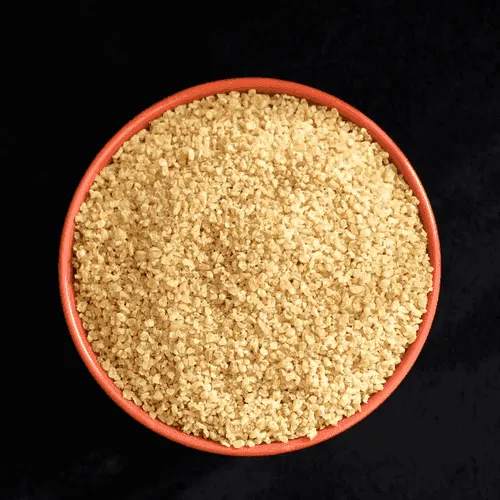 Bulgur
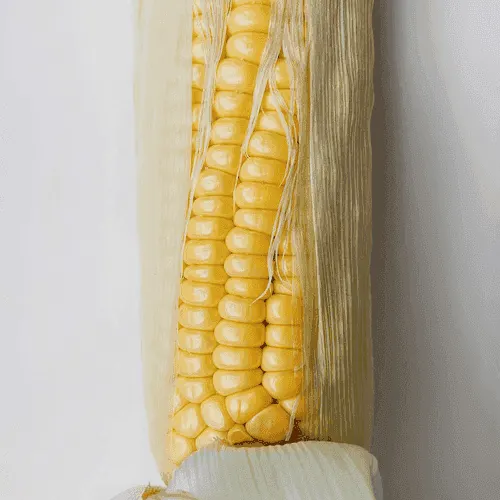 Corn
Corn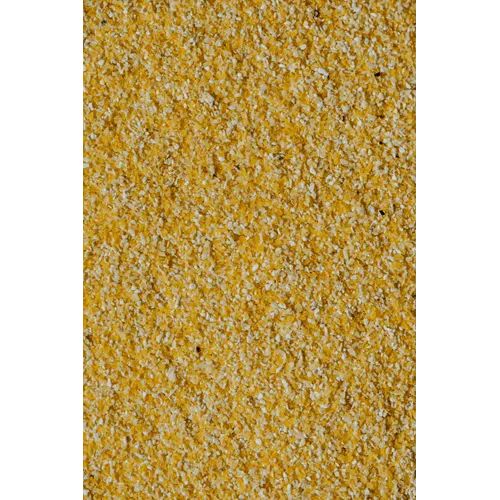 Corn bran
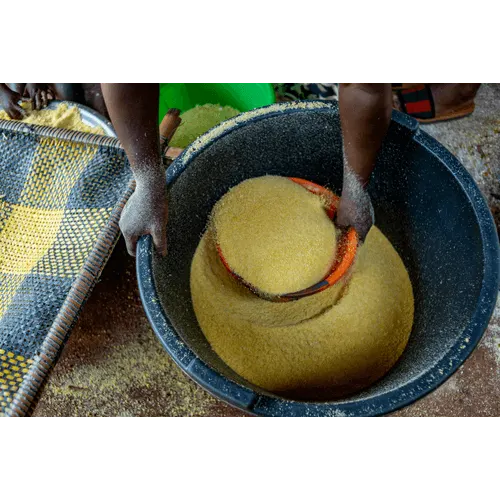 Cornmeal
 Couscous
 Durum wheat
- Jasmine rice
 Khorasan wheat
Frequently asked questions
Which intolerances does amaranth affect?
Amaranth is notable for nickel and oxalates. Clear on histamine, tyramine, salicylate, sucrose, FODMAPs, lactose, oligosaccharides, sorbitol, fructose and gluten.
Does amaranth contain nickel?
Yes — amaranth is high in nickel. Amaranth is a high-nickel pseudo-cereal, and it is eaten whole - there is no bran to remove, because the whole seed is the grain.
Does amaranth contain oxalates?
Amaranth contains only low levels of oxalates. Amaranth is not a grass and has no bran and endosperm in the way a cereal does — it is an Amaranthaceae, the family of spinach and beetroot, which are the two foods this axis is best known for. The relation is worth knowing and it is not the whole answer: those plants store their oxalate in the LEAF, and amaranth grain is the seed. Amaranth leaves, eaten as a vegetable in several cuisines, are a different food from the seed sold as a grain. Amounts vary by brand and recipe, so always check the label of the exact product.
Check any product in seconds
Scan a barcode with the Yllo app and see straight away whether a product fits your intolerances.