Bulgur
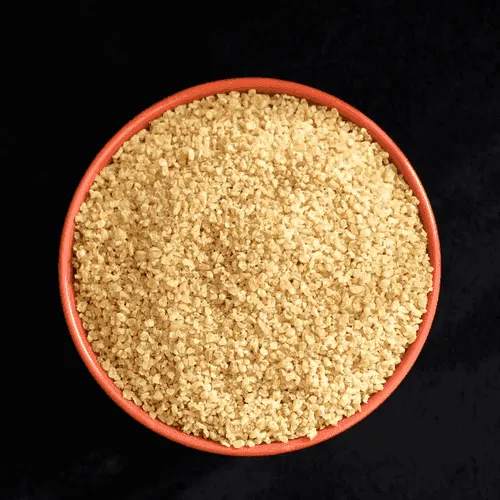
Other names bulgur wheat
Bulgur: high in gluten; low in oxalates. If you're sensitive to any of these, check it against your profile before eating.
Intolerances
- GlutenContains
Bulgur is durum wheat that has been parboiled, dried and cracked - three operations, none of which touches the gluten. It is often mistaken for a seed like quinoa because of how it is cooked and served, and that confusion is the only reason it needs saying.
Sources· 2
- Regulation (EU) No 1169/2011, Annex II, which names wheat including spelt and khorasan
- Brouns F et al., J Cereal Sci 58 (2013)
- OxalatesLow
Bulgur is cracked wheat that keeps part of its bran, and that is where the oxalate is: a study of cereals and their milling products concluded that oxalic acid sits primarily in the outer layers of the grain, with whole grain wheat running from 53.3 to 76.6 mg per 100 g of total oxalate and wheat bran alone reaching 457.4, the highest it measured. That study names bulgur among the whole grain durum products it found comparably high. How much any given bulgur carries therefore follows the grinding: a fine pale grade has had more of the bran taken off than a coarse dark one.
Sources· 1
- Siener R. et al. (2006), oxalate content of cereals and cereal products by HPLC-enzyme-reactor — figures for the three whole grain wheat species and for wheat bran, with the other products named only as comparably high, so no number can be quoted for bulgur itself
- Histamine (+liberators / DAO inhibitors)None
- TyramineNone
- SalicylateNone
- SucroseNone
- FODMAPsNone
- LactoseFODMAPsNone
- OligosaccharidesFODMAPsNone
- SorbitolFODMAPsNone
- FructoseFODMAPsNone
- NickelNone
Intolerance levels are based on our documented scientific sources. See sources →
React to Gluten? Check these too




More in Grains
 Amaranth
 Barley
 Basmati rice
 Brown rice
 Buckwheat
 Corn
Corn Corn bran
 Cornmeal
 Couscous
 Durum wheat
- Jasmine rice
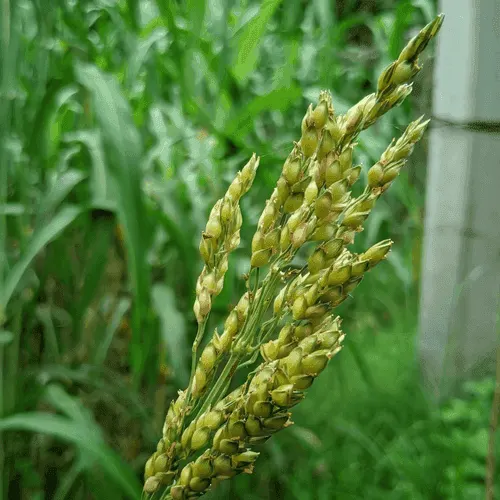 Khorasan wheat
Frequently asked questions
Which intolerances does bulgur affect?
Bulgur is notable for gluten and oxalates. Clear on histamine, tyramine, salicylate, sucrose, FODMAPs, lactose, oligosaccharides, sorbitol, fructose and nickel.
Does bulgur contain gluten?
Yes — bulgur is high in gluten. Bulgur is durum wheat that has been parboiled, dried and cracked - three operations, none of which touches the gluten. It is often mistaken for a seed like quinoa because of how it is cooked and served, and that confusion is the only reason it needs saying.
Does bulgur contain oxalates?
Bulgur contains only low levels of oxalates. Bulgur is cracked wheat that keeps part of its bran, and that is where the oxalate is: a study of cereals and their milling products concluded that oxalic acid sits primarily in the outer layers of the grain, with whole grain wheat running from 53.3 to 76.6 mg per 100 g of total oxalate and wheat bran alone reaching 457.4, the highest it measured. That study names bulgur among the whole grain durum products it found comparably high. How much any given bulgur carries therefore follows the grinding: a fine pale grade has had more of the bran taken off than a coarse dark one. Amounts vary by brand and recipe, so always check the label of the exact product.
Check any product in seconds
Scan a barcode with the Yllo app and see straight away whether a product fits your intolerances.