Durum wheat
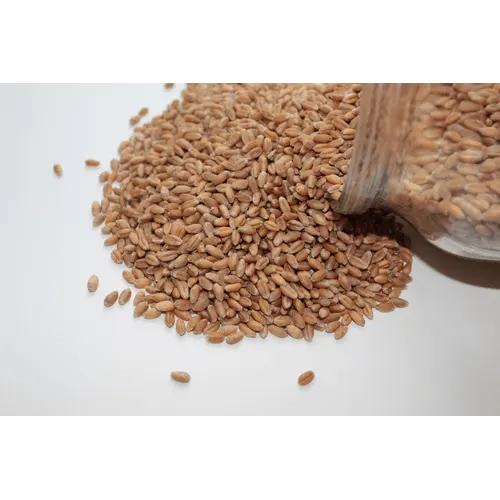
Other names semolina, durum semolina
Durum wheat: high in gluten; low in FODMAPs, oligosaccharides and oxalates. If you're sensitive to any of these, check it against your profile before eating.
Intolerances
- GlutenContains
Durum is the wheat chosen precisely FOR its gluten: the protein network is what holds a strand of spaghetti together in boiling water. A pasta that cooks without falling apart is a pasta with strong gluten, which makes durum the last wheat anyone would breed the gluten out of.
Sources· 2
- Regulation (EU) No 1169/2011, Annex II, which names wheat including spelt and khorasan
- Brouns F et al., J Cereal Sci 58 (2013)
- FODMAPsLow
Durum wheat has a measured figure through the food it becomes: couscous is durum semolina, and it came out highest of the 55 grain products surveyed at 1.12 g of fructan per portion as eaten. The grain itself was not measured separately, so what is known here is what the semolina does.
Sources· 1
- Biesiekierski J. et al., J Hum Nutr Diet 24:2 (2011) 154-176, fructans and galacto-oligosaccharides per portion as eaten in 55 grain products across 55 grain products
- OligosaccharidesFODMAPsLow
Durum is a wheat and carries wheat fructans, but it is milled into semolina and made into pasta - cooked in abundant water that is then poured away. The species is not what lowers it; the cooking method is.
- OxalatesLow
Durum wheat reaches the kitchen as semolina, and semolina is the endosperm with the bran milled out — the bran being the fraction that carried the oxalate. A wholemeal durum flour is a different answer from the semolina that makes pasta, and the pasta is what most of this grain becomes.
Sources· 1
- Noonan S.C. & Savage G.P., Asia Pac J Clin Nutr 8:1 (1999) 64-74, oxalate content of foods and its effect on humans
- Histamine (+liberators / DAO inhibitors)None
- TyramineNone
- SalicylateNone
- SucroseNone
- LactoseFODMAPsNone
- SorbitolFODMAPsNone
- FructoseFODMAPsNone
- NickelNone
Intolerance levels are based on our documented scientific sources. See sources →
React to Gluten? Check these too




More in Grains
 Amaranth
 Barley
 Basmati rice
 Brown rice
 Buckwheat
 Bulgur
 Corn
Corn Corn bran
 Cornmeal
 Couscous
- Jasmine rice
 Khorasan wheat
Frequently asked questions
Which intolerances does durum wheat affect?
Durum wheat is notable for gluten, FODMAPs, oligosaccharides and oxalates. Clear on histamine, tyramine, salicylate, sucrose, lactose, sorbitol, fructose and nickel.
Does durum wheat contain gluten?
Yes — durum wheat is high in gluten. Durum is the wheat chosen precisely FOR its gluten: the protein network is what holds a strand of spaghetti together in boiling water. A pasta that cooks without falling apart is a pasta with strong gluten, which makes durum the last wheat anyone would breed the gluten out of.
Does durum wheat contain FODMAPs?
Durum wheat contains only low levels of FODMAPs. Durum wheat has a measured figure through the food it becomes: couscous is durum semolina, and it came out highest of the 55 grain products surveyed at 1.12 g of fructan per portion as eaten. The grain itself was not measured separately, so what is known here is what the semolina does.
Does durum wheat contain oligosaccharides?
Durum wheat contains only low levels of oligosaccharides. Durum is a wheat and carries wheat fructans, but it is milled into semolina and made into pasta - cooked in abundant water that is then poured away. The species is not what lowers it; the cooking method is.
Does durum wheat contain oxalates?
Durum wheat contains only low levels of oxalates. Durum wheat reaches the kitchen as semolina, and semolina is the endosperm with the bran milled out — the bran being the fraction that carried the oxalate. A wholemeal durum flour is a different answer from the semolina that makes pasta, and the pasta is what most of this grain becomes. Amounts vary by brand and recipe, so always check the label of the exact product.
Check any product in seconds
Scan a barcode with the Yllo app and see straight away whether a product fits your intolerances.