Couscous

Other names cous cous
Couscous: high in gluten; moderate in FODMAPs and oligosaccharides; low in oxalates. If you're sensitive to any of these, check it against your profile before eating.
Intolerances
- GlutenContains
Couscous is not a grain: it is pasta, rolled from durum semolina and steamed. That is worth knowing because it sits in the grain aisle beside rice and quinoa, and because the gluten-free versions made from maize or rice look identical in the packet.
Sources· 2
- Regulation (EU) No 1169/2011, Annex II, which names wheat including spelt and khorasan
- Brouns F et al., J Cereal Sci 58 (2013)
- FODMAPsModerate
Couscous is durum wheat, and it came out HIGHEST of the 55 grain products measured for fructan per portion as eaten: 1.12 g a serving, ten times rolled oats and sixteen times spelt bread. The semolina is milled from the endosperm, so the fructan is not in a husk anyone can remove.
Sources· 1
- Biesiekierski J. et al., J Hum Nutr Diet 24:2 (2011) 154-176, fructans and galacto-oligosaccharides per portion as eaten in 55 grain products across 55 grain products
- OligosaccharidesFODMAPsModerate
Couscous is durum wheat semolina rolled into grains, so the fructans are wheat fructans — measured at 1.12 g per portion as eaten, the highest of the fifty-five grain products surveyed, and above the pasta made from the same semolina - and it is steamed rather than boiled, which leaches less than pasta water does. The level reflects a small serving; a couscous dish is rarely a small serving.
Sources· 1
- Biesiekierski J.R. et al., J Hum Nutr Diet 24 (2011) 154–176, fructans and short-chain carbohydrates in 55 grains, breads and pulses, reported in grams per portion as eaten
- OxalatesLow
Couscous is rolled durum semolina, so what it carries on this axis turns on one thing: whether that semolina was refined or wholemeal. Oxalate in wheat is concentrated in the outer layers of the grain, so it goes with the bran — and the study of cereal products that names couscous puts it among the whole grain durum products it found comparably high to whole grain wheat's 53.3 to 76.6 mg per 100 g. The pale couscous on most shelves is made from refined semolina, with most of that bran milled away, so the packet decides which of the two foods is in the bowl.
Sources· 1
- Siener R. et al. (2006), oxalate content of cereals and cereal products — it names couscous among the whole grain products and publishes no figure for it, and it does not separate the refined grade from the wholemeal one
- Histamine (+liberators / DAO inhibitors)None
- TyramineNone
- SalicylateNone
- SucroseNone
- LactoseFODMAPsNone
- SorbitolFODMAPsNone
- FructoseFODMAPsNone
- NickelNone
Intolerance levels are based on our documented scientific sources. See sources →
React to Gluten? Check these too




More in Grains
 Amaranth
 Barley
 Basmati rice
 Brown rice
 Buckwheat
 Bulgur
 Corn
Corn Corn bran
 Cornmeal
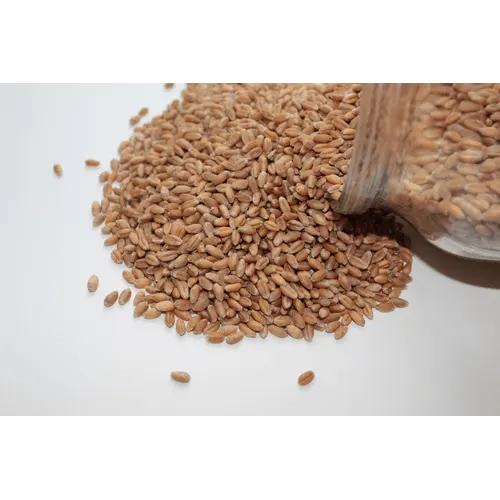 Durum wheat
- Jasmine rice
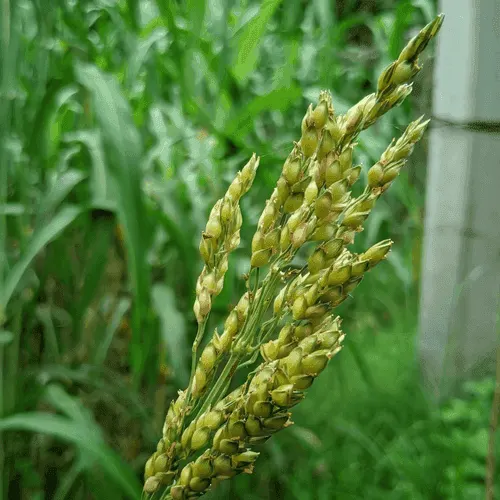 Khorasan wheat
Frequently asked questions
Which intolerances does Couscous affect?
Couscous is notable for gluten, FODMAPs, oligosaccharides and oxalates. Clear on histamine, tyramine, salicylate, sucrose, lactose, sorbitol, fructose and nickel.
Does Couscous contain gluten?
Yes — Couscous is high in gluten. Couscous is not a grain: it is pasta, rolled from durum semolina and steamed. That is worth knowing because it sits in the grain aisle beside rice and quinoa, and because the gluten-free versions made from maize or rice look identical in the packet.
Does Couscous contain FODMAPs?
Couscous contains moderate levels of FODMAPs. Couscous is durum wheat, and it came out HIGHEST of the 55 grain products measured for fructan per portion as eaten: 1.12 g a serving, ten times rolled oats and sixteen times spelt bread. The semolina is milled from the endosperm, so the fructan is not in a husk anyone can remove.
Does Couscous contain oligosaccharides?
Couscous contains moderate levels of oligosaccharides. Couscous is durum wheat semolina rolled into grains, so the fructans are wheat fructans — measured at 1.12 g per portion as eaten, the highest of the fifty-five grain products surveyed, and above the pasta made from the same semolina - and it is steamed rather than boiled, which leaches less than pasta water does. The level reflects a small serving; a couscous dish is rarely a small serving.
Does Couscous contain oxalates?
Couscous contains only low levels of oxalates. Couscous is rolled durum semolina, so what it carries on this axis turns on one thing: whether that semolina was refined or wholemeal. Oxalate in wheat is concentrated in the outer layers of the grain, so it goes with the bran — and the study of cereal products that names couscous puts it among the whole grain durum products it found comparably high to whole grain wheat's 53.3 to 76.6 mg per 100 g. The pale couscous on most shelves is made from refined semolina, with most of that bran milled away, so the packet decides which of the two foods is in the bowl. Amounts vary by brand and recipe, so always check the label of the exact product.
Check any product in seconds
Scan a barcode with the Yllo app and see straight away whether a product fits your intolerances.