Daikon
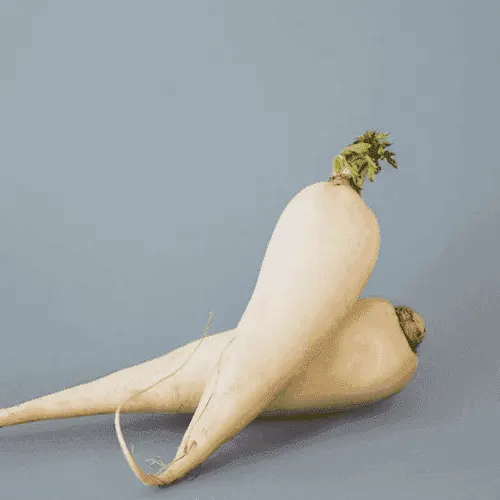
Other names white radish, winter radish
Daikon: moderate in salicylate. If you're sensitive to any of these, check it against your profile before eating.
Intolerances
- SalicylateModerate
Milder than a red radish in taste but not correspondingly lower in salicylate. It is peeled as a matter of course, which already removes the richest part.
Sources· 1
- Scotter M.J. et al., Food Chemistry 105 (2007), free and acetyl salicylic acid in foods by GC-MS, and Venema D. et al., J Agric Food Chem 44 (1996), acetylsalicylic and salicylic acid in foods by HPLC
- Histamine (+liberators / DAO inhibitors)None
- TyramineNone
- SucroseNone
- FODMAPsNone
- LactoseFODMAPsNone
- OligosaccharidesFODMAPsNone
- SorbitolFODMAPsNone
- FructoseFODMAPsNone
- NickelNone
- OxalatesNone
- GlutenNo
Intolerance levels are based on our documented scientific sources. See sources →
React to Salicylate? Check these too










More in Vegetables
 Artichoke
 Artichoke heart
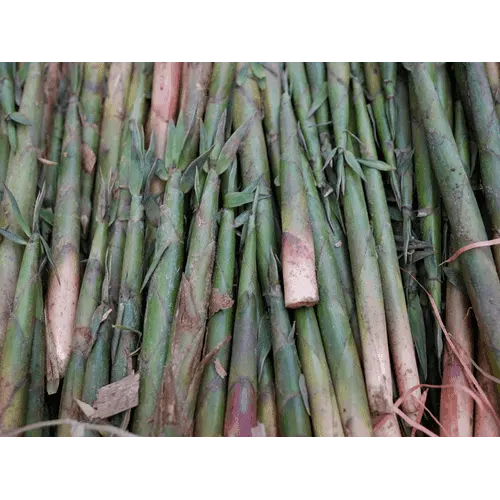 Bamboo shoots
 Beetroot
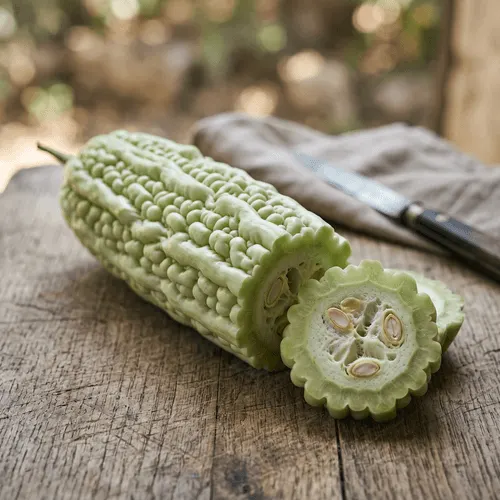 Bitter gourd
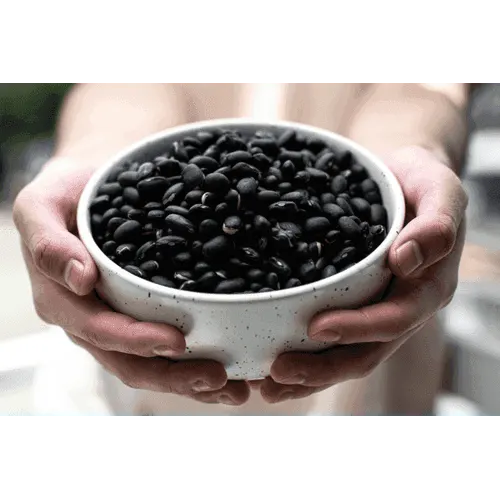 Black beans
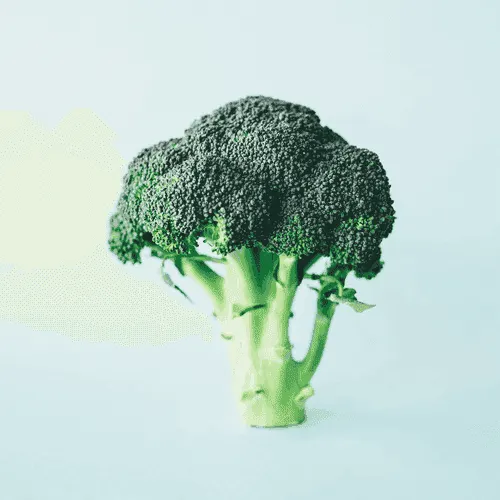 Broccoli
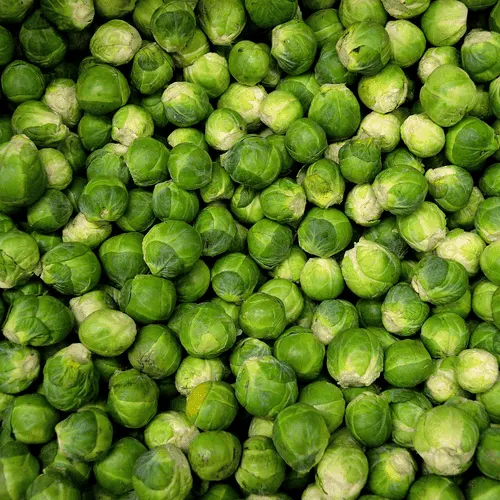 Brussels sprouts
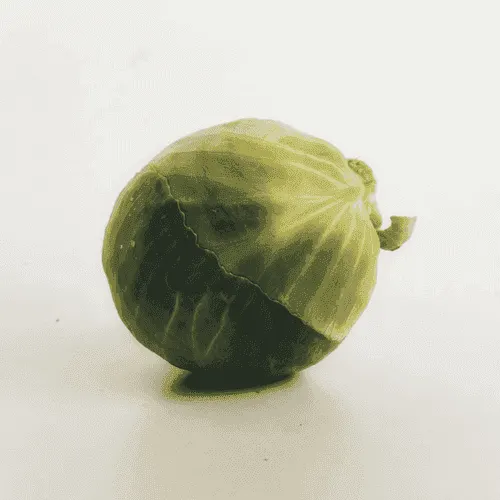 Cabbage
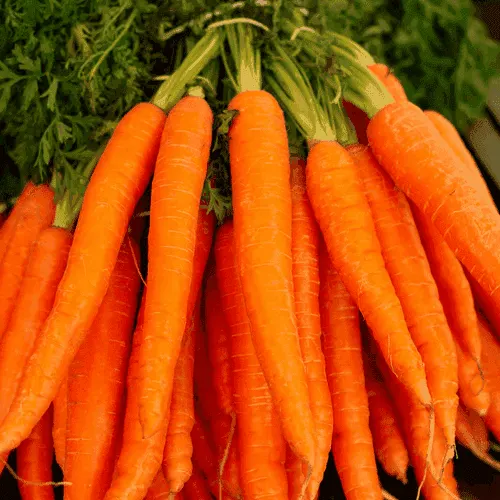 Carrot
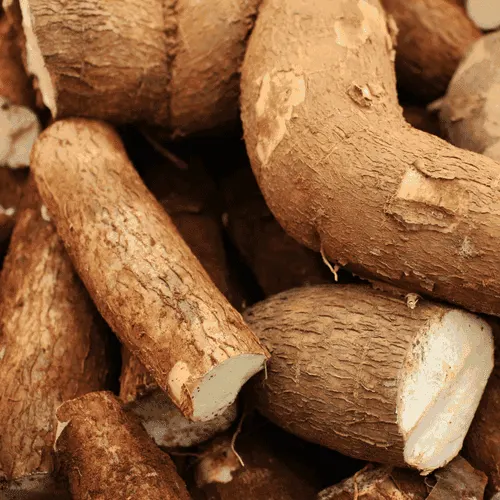 Cassava
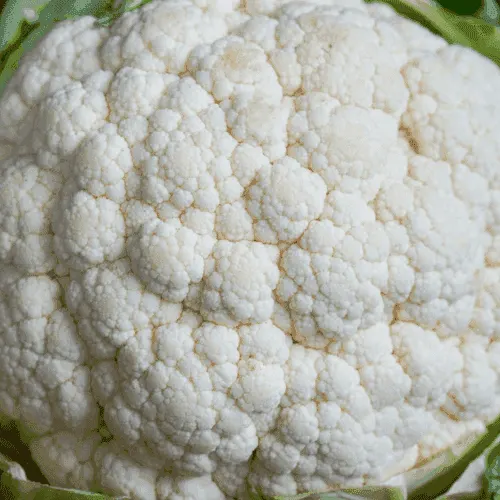 Cauliflower
Frequently asked questions
Which intolerances does daikon affect?
Daikon is notable for salicylate. Clear on histamine, tyramine, sucrose, FODMAPs, lactose, oligosaccharides, sorbitol, fructose, nickel, oxalates and gluten.
Does daikon contain salicylate?
Daikon contains moderate levels of salicylate. Milder than a red radish in taste but not correspondingly lower in salicylate. It is peeled as a matter of course, which already removes the richest part. Amounts vary by brand and recipe, so always check the label of the exact product.
Check any product in seconds
Scan a barcode with the Yllo app and see straight away whether a product fits your intolerances.