Chicory
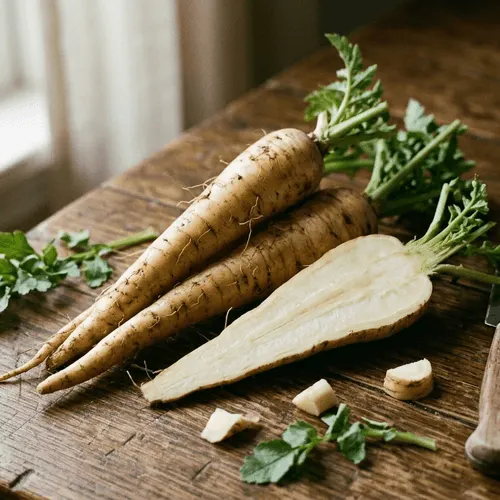
Other names witloof, Belgian endive
Chicory: moderate in salicylate; low in FODMAPs and oligosaccharides. If you're sensitive to any of these, check it against your profile before eating.
Intolerances
- SalicylateModerate
Chicory: the bitterness and the salicylate travel together here: the green outer leaves and the tip hold more than the pale heart, so trimming helps.
Sources· 1
- Scotter M.J. et al., Food Chemistry 105 (2007), free and acetyl salicylic acid in foods by GC-MS, and Venema D. et al., J Agric Food Chem 44 (1996), acetylsalicylic and salicylic acid in foods by HPLC
- FODMAPsLow
Chicory leaf is low in fructans, and the confusion on this axis comes from its root. The plant's ROOT is the industrial source of inulin — industrial inulin is sold as 'chicory inulin' — and chicory is a Compositae, the family a survey of fructooligosaccharides puts highest of all. But a family rank is not a food rank, and the leaf has been measured since: its fructans run around 0.1% of fresh weight, against 15 to 20% in the root, and the Monash app puts both endive and witloof in the green. The LEAF is the blanched head eaten as a salad; the root, ground for coffee or farmed for inulin, is a different food on this axis and stays high.
Sources· 2
- Campbell J.M. et al., J Agric Food Chem 45 (1997) 3076-3082, fructooligosaccharide composition of foods and feeds
- Perovic J et al., Food Chemistry 339 (2021), chicory as a food ingredient, for the leaf-versus-root figures
- OligosaccharidesFODMAPsLow
Chicory leaf is low in fructans, and the confusion on this axis comes from its root. The plant's ROOT is the industrial source of inulin — industrial inulin is sold as 'chicory inulin' — and chicory is a Compositae, the family a survey of fructooligosaccharides puts highest of all. But a family rank is not a food rank, and the leaf has been measured since: its fructans run around 0.1% of fresh weight, against 15 to 20% in the root, and the Monash app puts both endive and witloof in the green. The LEAF is the blanched head eaten as a salad; the root, ground for coffee or farmed for inulin, is a different food on this axis and stays high.
Sources· 2
- Campbell J.M. et al., J Agric Food Chem 45 (1997) 3076-3082, fructooligosaccharide composition of foods and feeds
- Perovic J et al., Food Chemistry 339 (2021), chicory as a food ingredient, for the leaf-versus-root figures
- Histamine (+liberators / DAO inhibitors)None
- TyramineNone
- SucroseNone
- LactoseFODMAPsNone
- SorbitolFODMAPsNone
- FructoseFODMAPsNone
- NickelNone
- OxalatesNone
- GlutenNone
Intolerance levels are based on our documented scientific sources. See sources →
React to Salicylate? Check these too










More in Vegetables
 Artichoke
 Artichoke heart
 Bamboo shoots
 Beetroot
 Bitter gourd
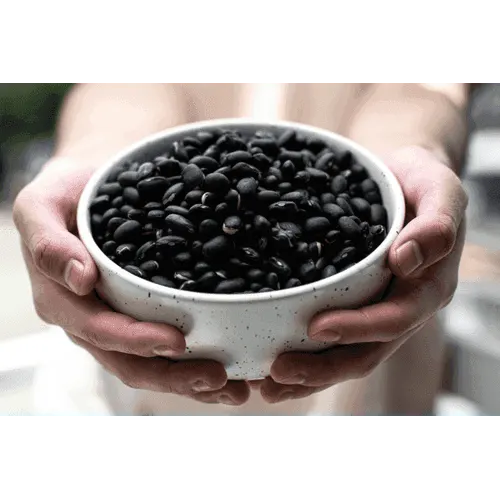 Black beans
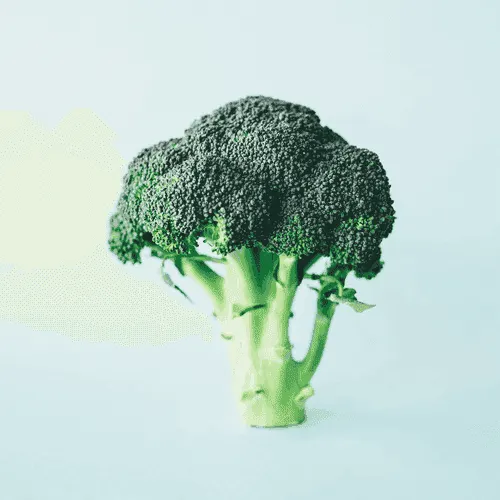 Broccoli
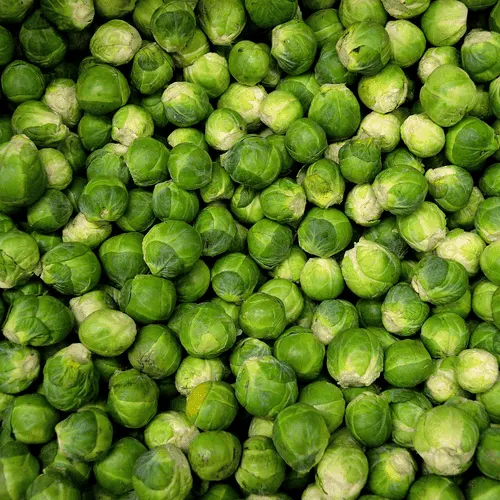 Brussels sprouts
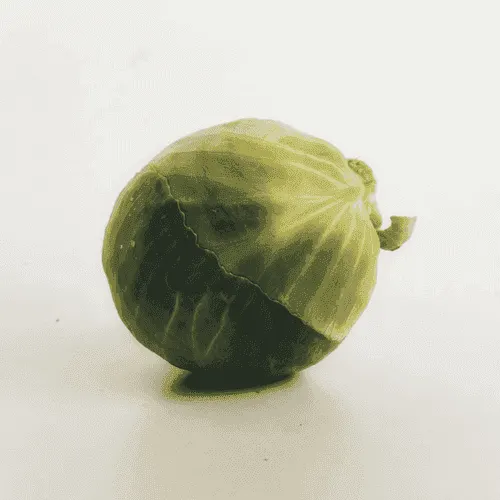 Cabbage
 Carrot
 Cassava
 Cauliflower
Frequently asked questions
Which intolerances does chicory affect?
Chicory is notable for salicylate, FODMAPs and oligosaccharides. Clear on histamine, tyramine, sucrose, lactose, sorbitol, fructose, nickel, oxalates and gluten.
Does chicory contain salicylate?
Chicory contains moderate levels of salicylate. Chicory: the bitterness and the salicylate travel together here: the green outer leaves and the tip hold more than the pale heart, so trimming helps.
Does chicory contain FODMAPs?
Chicory contains only low levels of FODMAPs. Chicory leaf is low in fructans, and the confusion on this axis comes from its root. The plant's ROOT is the industrial source of inulin — industrial inulin is sold as 'chicory inulin' — and chicory is a Compositae, the family a survey of fructooligosaccharides puts highest of all. But a family rank is not a food rank, and the leaf has been measured since: its fructans run around 0.1% of fresh weight, against 15 to 20% in the root, and the Monash app puts both endive and witloof in the green. The LEAF is the blanched head eaten as a salad; the root, ground for coffee or farmed for inulin, is a different food on this axis and stays high.
Does chicory contain oligosaccharides?
Chicory contains only low levels of oligosaccharides. Chicory leaf is low in fructans, and the confusion on this axis comes from its root. The plant's ROOT is the industrial source of inulin — industrial inulin is sold as 'chicory inulin' — and chicory is a Compositae, the family a survey of fructooligosaccharides puts highest of all. But a family rank is not a food rank, and the leaf has been measured since: its fructans run around 0.1% of fresh weight, against 15 to 20% in the root, and the Monash app puts both endive and witloof in the green. The LEAF is the blanched head eaten as a salad; the root, ground for coffee or farmed for inulin, is a different food on this axis and stays high. Amounts vary by brand and recipe, so always check the label of the exact product.
Check any product in seconds
Scan a barcode with the Yllo app and see straight away whether a product fits your intolerances.