Spinach
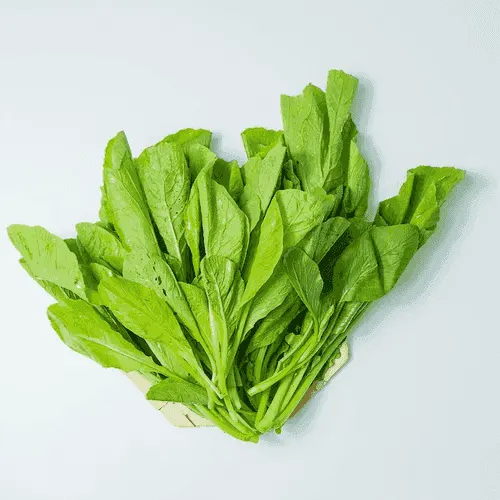
Other names spinach leaves
Spinach: high in nickel and oxalates; moderate in histamine and tyramine; low in salicylate and FODMAPs. If you're sensitive to any of these, check it against your profile before eating.
Intolerances
- NickelHigh
Spinach is the one leafy green consistently high in nickel: it takes up metals from the soil readily, which is also why it is discussed for cadmium and oxalates. Cooking does not remove it. The nickel here follows a survey of heavy metals in VEGETABLES. A vegetable takes up what its soil holds, so a figure of this kind describes the growing region as much as the plant.
Sources· 1
- Guerra F. et al., Scientia Agricola 69:1 (2012) 54-60, heavy metals in vegetables
- OxalatesHigh
Spinach is the highest-oxalate leaf in ordinary use, and it has been measured directly against kale for exactly this reason: kale's iron is absorbed and spinach's is not, because spinach's own oxalate locks it up. The same binding works for you at the table - spinach with cheese or yoghurt is a different exposure from spinach alone. Boiling and draining removes a real share; wilting in the pan removes none. Jaeger is the mechanism behind that: only the SOLUBLE form of oxalate can be absorbed, and how much is soluble depends on pH and on the calcium and magnesium present — which is why calcium eaten in the same meal lowers what reaches the blood. It is a review and a model, publishing no oxalate figure for any food, and it says nothing about the oxalate the body makes itself. How much of this reaches the urine was measured rather than assumed: on controlled diets, dietary oxalate accounted for 24 to 42 per cent of urinary oxalate — well above the 10 to 20 per cent believed before — and cutting the calcium of a 250 mg oxalate diet from 1,002 to 391 mg raised urinary oxalate by 28 per cent, taking the dietary share to 53. The calcium eaten alongside is most of the answer.
Sources· 3
- Noonan S.C. & Savage G.P., Asia Pac J Clin Nutr 8 (1999) 64–74: mean oxalate intake 70–150 mg a day in English diets, tea the largest single contributor, and soaking or cooking reduces oxalate by leaching
- Jaeger Ph. et al., Nephron Physiol 98 (2004) 64-71, dietary intake and intestinal absorption of oxalate
- Holmes R.P. et al., Kidney Int 59 (2001) 270-276, contribution of dietary oxalate to urinary oxalate
- Histamine (+liberators / DAO inhibitors)Moderate
Spinach is one of the few vegetables that genuinely carries histamine, and it climbs quickly once picked or left cooked in the fridge. Buy it fresh, cook it the same day, and do not reheat leftovers — that is where most reactions come from.
- TyramineModerate
Spinach is sold pre-washed and bagged more often than any other leaf, and it wilts faster than most - a bag that has gone slimy at the bottom is bacterial growth you can see, and those bacteria are what build tyramine. Fresh loose spinach cooked the day it is bought is a different entry from the bag at the back of the fridge.
Sources· 2
- EFSA Journal 2011
- McCabe-Sellers et al., J Food Compos Anal 2006
- SalicylateLow
Low in salicylate, which is worth stating plainly because spinach is high on several others — oxalate especially. One low rating is not a general clearance.
- FODMAPsLow
Spinach is genuinely low: a leaf eaten in quantity but low. Vegetables split on this axis by which organ you eat - storage organs like onion and garlic hoard fructans, while leaves, stems and young shoots do not. Knowing which part of the plant is on the plate answers most of the question.
Sources· 1
- Muir J et al., J Agric Food Chem 55 (2007) 6619-6627 and 57 (2009) 554-565, fructans and short-chain carbohydrates measured in Australian vegetables and fruit
- SucroseNone
- LactoseFODMAPsNone
- OligosaccharidesFODMAPsNone
- SorbitolFODMAPsNone
- FructoseFODMAPsNone
- GlutenNo
Intolerance levels are based on our documented scientific sources. See sources →
Note about this food
Spinach should be avoided if you're histamine intolerant or have poor gut health because it's naturally high in histamine and can release more during storage or cooking. It also contains oxalates and other compounds that may irritate a sensitive gut and hinder mineral absorption, making it harder to digest and potentially worsening inflammation.
React to Nickel? Check these too








More in Vegetables
 Artichoke
 Artichoke heart
 Bamboo shoots
 Beetroot
 Bitter gourd
 Black beans
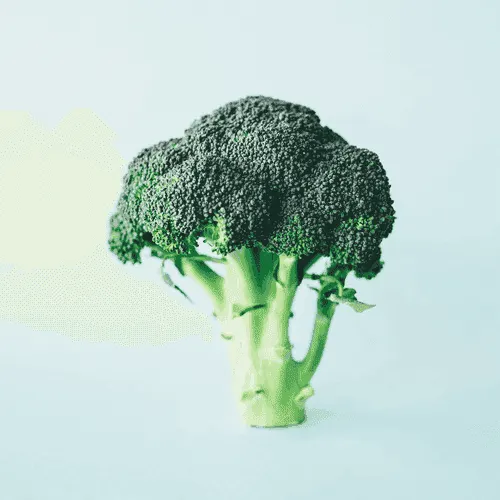 Broccoli
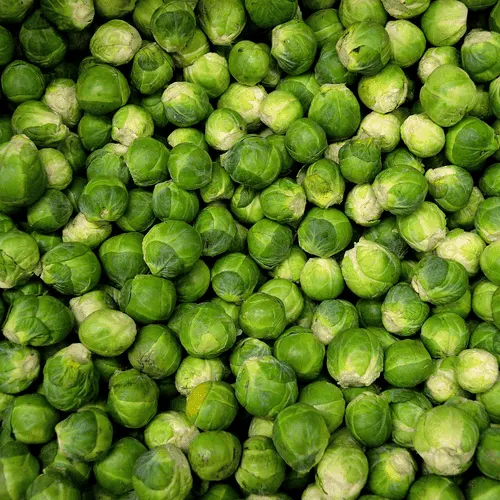 Brussels sprouts
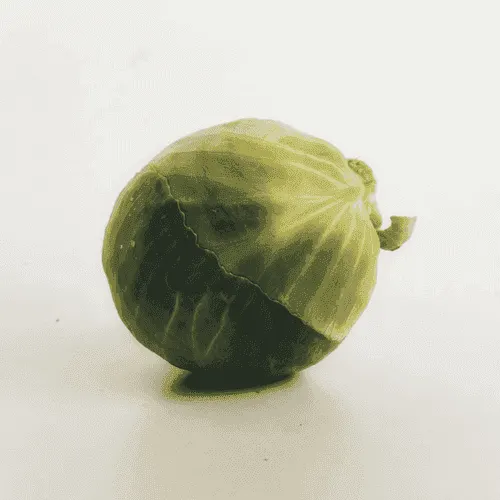 Cabbage
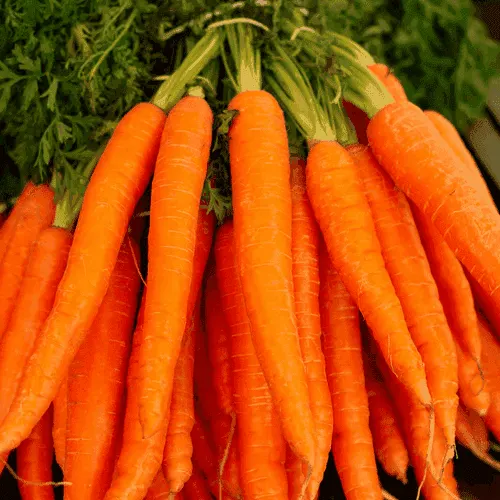 Carrot
 Cassava
 Cauliflower
Frequently asked questions
Which intolerances does spinach affect?
Spinach is notable for nickel, oxalates, histamine, tyramine, salicylate and FODMAPs. Clear on sucrose, lactose, oligosaccharides, sorbitol, fructose and gluten.
Does spinach contain nickel?
Yes — spinach is high in nickel. Spinach is the one leafy green consistently high in nickel: it takes up metals from the soil readily, which is also why it is discussed for cadmium and oxalates. Cooking does not remove it. The nickel here follows a survey of heavy metals in VEGETABLES. A vegetable takes up what its soil holds, so a figure of this kind describes the growing region as much as the plant.
Does spinach contain oxalates?
Yes — spinach is high in oxalates. Spinach is the highest-oxalate leaf in ordinary use, and it has been measured directly against kale for exactly this reason: kale's iron is absorbed and spinach's is not, because spinach's own oxalate locks it up. The same binding works for you at the table - spinach with cheese or yoghurt is a different exposure from spinach alone. Boiling and draining removes a real share; wilting in the pan removes none. Jaeger is the mechanism behind that: only the SOLUBLE form of oxalate can be absorbed, and how much is soluble depends on pH and on the calcium and magnesium present — which is why calcium eaten in the same meal lowers what reaches the blood. It is a review and a model, publishing no oxalate figure for any food, and it says nothing about the oxalate the body makes itself. How much of this reaches the urine was measured rather than assumed: on controlled diets, dietary oxalate accounted for 24 to 42 per cent of urinary oxalate — well above the 10 to 20 per cent believed before — and cutting the calcium of a 250 mg oxalate diet from 1,002 to 391 mg raised urinary oxalate by 28 per cent, taking the dietary share to 53. The calcium eaten alongside is most of the answer.
Does spinach contain histamine?
Spinach contains moderate levels of histamine. Spinach is one of the few vegetables that genuinely carries histamine, and it climbs quickly once picked or left cooked in the fridge. Buy it fresh, cook it the same day, and do not reheat leftovers — that is where most reactions come from.
Does spinach contain tyramine?
Spinach contains moderate levels of tyramine. Spinach is sold pre-washed and bagged more often than any other leaf, and it wilts faster than most - a bag that has gone slimy at the bottom is bacterial growth you can see, and those bacteria are what build tyramine. Fresh loose spinach cooked the day it is bought is a different entry from the bag at the back of the fridge. Amounts vary by brand and recipe, so always check the label of the exact product.
Check any product in seconds
Scan a barcode with the Yllo app and see straight away whether a product fits your intolerances.