Seaweed
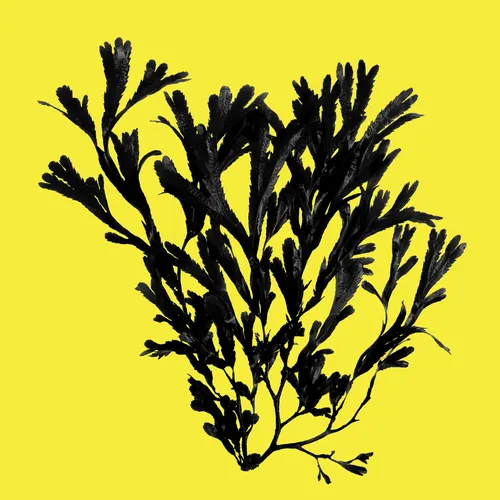
Other names Algues, Sea vegetables
Seaweed: moderate in histamine and nickel; low in FODMAPs, oligosaccharides, tyramine, salicylate and oxalates. If you're sensitive to any of these, check it against your profile before eating.
Intolerances
- Histamine (+liberators / DAO inhibitors)Moderate
Seaweed is dried and then stored for months, and the amines come from the drying itself rather than from the sea - rehydrating does not remove them, it only puts the water back. Nori sheets for sushi are the form most often eaten, and they are eaten in small quantities.
Sources· 2
- Maintz & Novak, Am J Clin Nutr 2007
- Zuberbier et al., EAACI/GA2LEN urticaria guideline
- NickelModerate
Seaweed concentrates whatever the seawater carries - that is the same property that makes it rich in iodine. Dried sheets and flakes are the concentrated form, and a few grams go a long way in both directions. Seaweed is the reason nickel is asked about here at all: it concentrates trace elements from seawater, and the review behind this level is about exactly that load in seaweed and in the ingredients made from it.
Sources· 1
- Bouga M. & Combet E., Foods 4 (2015) 240-253, trace elements and contaminants in seaweed and seaweed-containing foods
- FODMAPsLow
Seaweed is not a land plant, and the fructans and GOS this axis counts are storage carbohydrates that land plants make. Seaweed stores different ones, which human enzymes also cannot split but which ferment more slowly and in smaller quantities than a serving of onion delivers. Whether an algal storage carbohydrate belongs on this axis is decided by Gibson and Shepherd's criterion — does it ferment rapidly in the proximal colon — and not by which sugar it is built from.
Sources· 2
- Gibson P.R. & Shepherd S.J., J Gastroenterol Hepatol 25 (2010) 252-258, the framework this axis rests on
- Muir J et al., J Agric Food Chem 55 (2007) 6619-6627 and 57 (2009) 554-565, fructans and short-chain carbohydrates measured in Australian vegetables and fruit
- OligosaccharidesFODMAPsLow
Seaweed is not a land plant, and fructans and GOS are what land plants store. Algae store different carbohydrates - laminarin, carrageenan, alginate - which human enzymes also cannot split but which are longer chains and ferment more slowly.
- TyramineLow
Seaweed is low. An alga, not a vegetable, but the arithmetic is the same: dried and eaten in sheets or flakes, grams at a time, and nothing in its making is a fermentation, and fermentation is what builds tyramine. No survey has measured an alga for this axis; the level rests on the vegetable surveys, the nearest measured thing to it, which put the leafy and green kinds at the bottom of their range.
Sources· 1
- Ly D. et al., J Med Food 11:2 (2008) 385-389, and Simon-Sarkadi L. et al., Z Lebensm Unters Forsch 198 (1994), tyramine in vegetables
- SalicylateLow
Seaweed is low here, and it is worth attention for iodine rather than salicylate - the two are unrelated.
- OxalatesLow
Seaweed is not a land plant, and oxalate is something land plants make to manage calcium in soil. Seaweed lives in water already saturated with minerals and has no such problem to solve - which is why it sits low here despite being high on the mineral axes.
Sources· 1
- Noonan S.C. & Savage G.P., Asia Pac J Clin Nutr 8:1 (1999) 64-74, oxalate content of foods and its effect on humans
- LactoseFODMAPsNone
- GlutenNo
- FructoseFODMAPsNone
- SorbitolFODMAPsNone
- SucroseNone
Intolerance levels are based on our documented scientific sources. See sources →
React to Histamine (+liberators / DAO inhibitors)? Check these too



More in Vegetables
 Artichoke
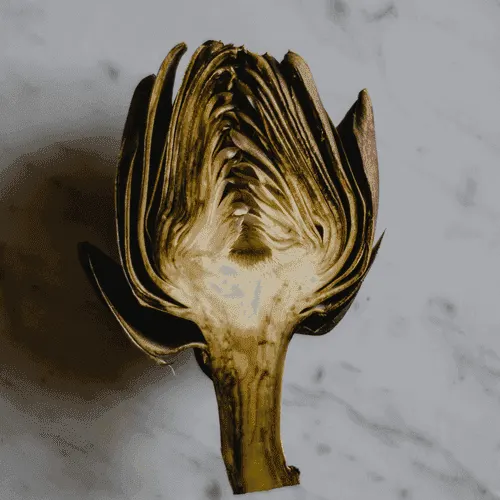 Artichoke heart
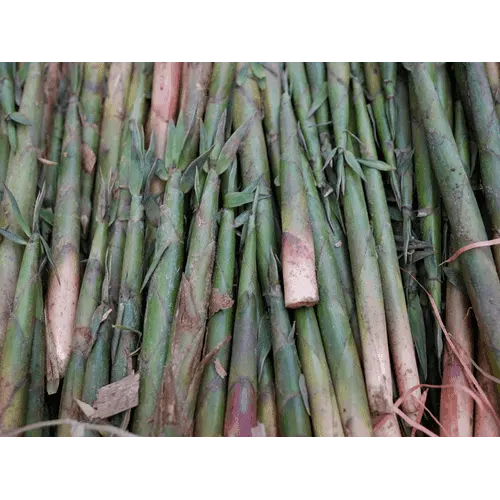 Bamboo shoots
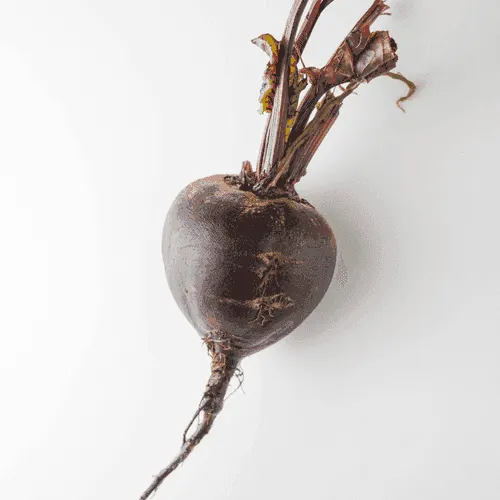 Beetroot
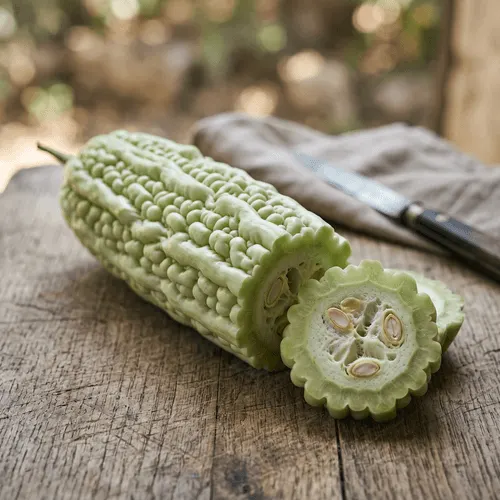 Bitter gourd
 Black beans
 Broccoli
 Brussels sprouts
 Cabbage
 Carrot
 Cassava
 Cauliflower
Frequently asked questions
Which intolerances does Seaweed affect?
Seaweed is notable for histamine, nickel, FODMAPs, oligosaccharides, tyramine, salicylate and oxalates. Clear on lactose, gluten, fructose, sorbitol and sucrose.
Does Seaweed contain histamine?
Seaweed contains moderate levels of histamine. Seaweed is dried and then stored for months, and the amines come from the drying itself rather than from the sea - rehydrating does not remove them, it only puts the water back. Nori sheets for sushi are the form most often eaten, and they are eaten in small quantities.
Does Seaweed contain nickel?
Seaweed contains moderate levels of nickel. Seaweed concentrates whatever the seawater carries - that is the same property that makes it rich in iodine. Dried sheets and flakes are the concentrated form, and a few grams go a long way in both directions. Seaweed is the reason nickel is asked about here at all: it concentrates trace elements from seawater, and the review behind this level is about exactly that load in seaweed and in the ingredients made from it.
Does Seaweed contain FODMAPs?
Seaweed contains only low levels of FODMAPs. Seaweed is not a land plant, and the fructans and GOS this axis counts are storage carbohydrates that land plants make. Seaweed stores different ones, which human enzymes also cannot split but which ferment more slowly and in smaller quantities than a serving of onion delivers. Whether an algal storage carbohydrate belongs on this axis is decided by Gibson and Shepherd's criterion — does it ferment rapidly in the proximal colon — and not by which sugar it is built from.
Does Seaweed contain oligosaccharides?
Seaweed contains only low levels of oligosaccharides. Seaweed is not a land plant, and fructans and GOS are what land plants store. Algae store different carbohydrates - laminarin, carrageenan, alginate - which human enzymes also cannot split but which are longer chains and ferment more slowly. Amounts vary by brand and recipe, so always check the label of the exact product.
Check any product in seconds
Scan a barcode with the Yllo app and see straight away whether a product fits your intolerances.