Whey protein
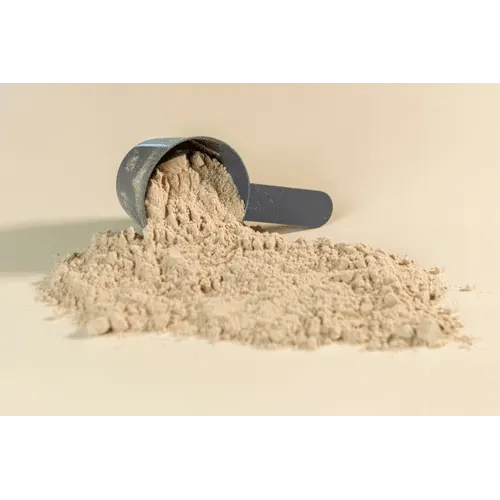
Other names Protéine de lactosérum, Whey protein concentrate
Whey protein: moderate in FODMAPs and lactose; low in histamine and oligosaccharides. If you're sensitive to any of these, check it against your profile before eating.
Intolerances
- FODMAPsModerate
Whey protein is where the label matters more than the food. An ISOLATE has been filtered until almost no lactose remains and is effectively low; a CONCENTRATE keeps a good deal of it. Both are sold in the same tubs to the same people, and the word on the front is the whole answer.
- LactoseFODMAPsModerate
Whey protein depends on the grade: the isolate is filtered far enough that most people are fine with it, while the concentrate keeps more of the milk sugar. Check which of the two words the label uses.
- Histamine (+liberators / DAO inhibitors)Low
Whey protein is low because it is filtered and dried from fresh whey, with no fermentation step at all. Histamine in dairy is a storage measurement, not a recipe one. Milk is not a fermented food, so its histamine depends on how it was kept rather than on how it was made - and that is exactly what the study behind this level varied: STORAGE CONDITION. A dairy product's place on this axis is a question about the cold chain.
Sources· 1
- Szczyrba A. et al., Med Og Nauk Zdr 30:2 (2024) 137-145, histamine in cow's milk by storage condition
- OligosaccharidesFODMAPsLow
Whey protein is filtered for protein, and filtration removes sugars of every size, oligosaccharides included - the isolate more thoroughly than the concentrate. The lactose question that decides its FODMAP level does not have an equivalent here.
- GlutenNo
- FructoseFODMAPsNone
- SorbitolFODMAPsNone
- SucroseNone
- TyramineNone
- SalicylateNone
- NickelNone
- OxalatesNone
Intolerance levels are based on our documented scientific sources. See sources →
React to FODMAPs? Check these too










More in Dairy
 Blue cheese
 Brie
Brie Buffalo mozzarella
 Buttermilk
 Camembert
 Casein
 Cheddar
 Cream
Cream- Cream cheese
 Crème fraîche
 Edam
Edam- Emmental
Frequently asked questions
Which intolerances does Whey protein affect?
Whey protein is notable for FODMAPs, lactose, histamine and oligosaccharides. Clear on gluten, fructose, sorbitol, sucrose, tyramine, salicylate, nickel and oxalates.
Does Whey protein contain FODMAPs?
Whey protein contains moderate levels of FODMAPs. Whey protein is where the label matters more than the food. An ISOLATE has been filtered until almost no lactose remains and is effectively low; a CONCENTRATE keeps a good deal of it. Both are sold in the same tubs to the same people, and the word on the front is the whole answer.
Does Whey protein contain lactose?
Whey protein contains moderate levels of lactose. Whey protein depends on the grade: the isolate is filtered far enough that most people are fine with it, while the concentrate keeps more of the milk sugar. Check which of the two words the label uses.
Does Whey protein contain histamine?
Whey protein contains only low levels of histamine. Whey protein is low because it is filtered and dried from fresh whey, with no fermentation step at all. Histamine in dairy is a storage measurement, not a recipe one. Milk is not a fermented food, so its histamine depends on how it was kept rather than on how it was made - and that is exactly what the study behind this level varied: STORAGE CONDITION. A dairy product's place on this axis is a question about the cold chain.
Does Whey protein contain oligosaccharides?
Whey protein contains only low levels of oligosaccharides. Whey protein is filtered for protein, and filtration removes sugars of every size, oligosaccharides included - the isolate more thoroughly than the concentrate. The lactose question that decides its FODMAP level does not have an equivalent here. Amounts vary by brand and recipe, so always check the label of the exact product.
Check any product in seconds
Scan a barcode with the Yllo app and see straight away whether a product fits your intolerances.