Ricotta
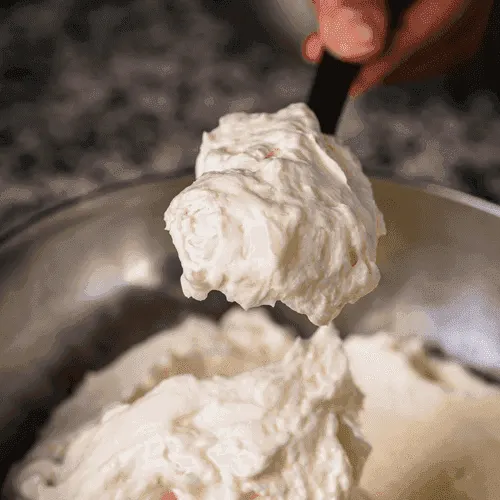
Other names ricotta cheese, Italian whey cheese
Ricotta: high in FODMAPs; moderate in lactose. If you're sensitive to any of these, check it against your profile before eating.
Intolerances
- FODMAPsHigh
Ricotta is made FROM whey - the liquid a cheesemaker drains off - so it keeps the lactose that draining removed from the cheese beside it. That is why one fresh Italian cheese is high here and mozzarella, made from the curd, is low. Same dairy, opposite halves.
- LactoseFODMAPsModerate
Ricotta is made from whey — the lactose-rich fraction left over from cheesemaking — so it keeps more of the milk sugar than a cheese made from the curd does.
- Histamine (+liberators / DAO inhibitors)None
- TyramineNone
- SalicylateNone
- SucroseNone
- OligosaccharidesFODMAPsNone
- SorbitolFODMAPsNone
- FructoseFODMAPsNone
- NickelNone
- OxalatesNone
- GlutenNo
Intolerance levels are based on our documented scientific sources. See sources →
React to FODMAPs? Check these too





More in Dairy
 Blue cheese
 Brie
Brie Buffalo mozzarella
 Buttermilk
 Camembert
 Casein
 Cheddar
 Cream
Cream- Cream cheese
 Crème fraîche
 Edam
Edam- Emmental
Frequently asked questions
Which intolerances does ricotta affect?
Ricotta is notable for FODMAPs and lactose. Clear on histamine, tyramine, salicylate, sucrose, oligosaccharides, sorbitol, fructose, nickel, oxalates and gluten.
Does ricotta contain FODMAPs?
Yes — ricotta is high in FODMAPs. Ricotta is made FROM whey - the liquid a cheesemaker drains off - so it keeps the lactose that draining removed from the cheese beside it. That is why one fresh Italian cheese is high here and mozzarella, made from the curd, is low. Same dairy, opposite halves.
Does ricotta contain lactose?
Ricotta contains moderate levels of lactose. Ricotta is made from whey — the lactose-rich fraction left over from cheesemaking — so it keeps more of the milk sugar than a cheese made from the curd does. Amounts vary by brand and recipe, so always check the label of the exact product.
Check any product in seconds
Scan a barcode with the Yllo app and see straight away whether a product fits your intolerances.