Pumpkin seed
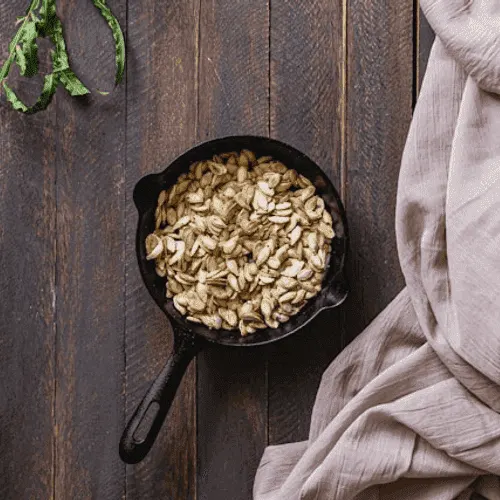
Pumpkin seed: low in histamine, salicylate and nickel. If you're sensitive to any of these, check it against your profile before eating.
Intolerances
- Histamine (+liberators / DAO inhibitors)Low
The pumpkin seed is a dry seed, and a dry seed produces no amines - bacteria need water to work. Rancidity does not change that: it is the oil reacting with oxygen, which yields aldehydes and off-flavours rather than amines - a good reason to smell before eating, and not a histamine one.
- SalicylateLow
Pumpkin seed: low in salicylate, and unaffected by roasting or salting. A practical substitute where nuts sit higher.
- NickelLow
Pumpkin seeds are moderate in most minerals and low in nickel. The hull carries more than the kernel, so hulled seeds measure lower than whole ones.
Sources· 1
- Flyvholm M-A et al., Z Lebensm Unters Forsch 179 (1984) 427-431, nickel content of food and estimates of dietary intake
- TyramineNone
- SucroseNone
- FODMAPsNone
- LactoseFODMAPsNone
- OligosaccharidesFODMAPsNone
- SorbitolFODMAPsNone
- FructoseFODMAPsNone
- OxalatesNone
- GlutenNo
Intolerance levels are based on our documented scientific sources. See sources →
React to Histamine (+liberators / DAO inhibitors)? Check these too









More in Nuts/Seeds
 Adzuki bean
 Almond
 Anise
Anise Beans
Beans Brazil nut
 Broad bean
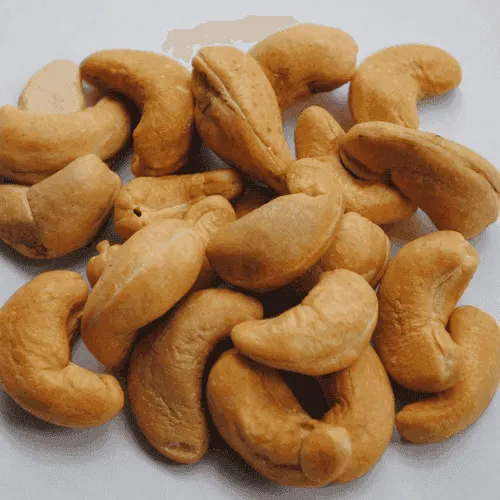 Cashew nuts
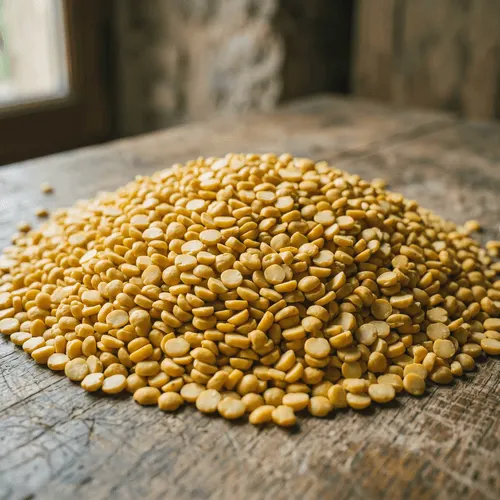 Channa dal
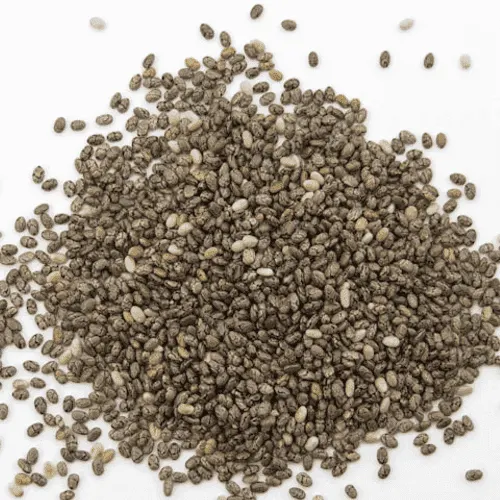 Chia seed
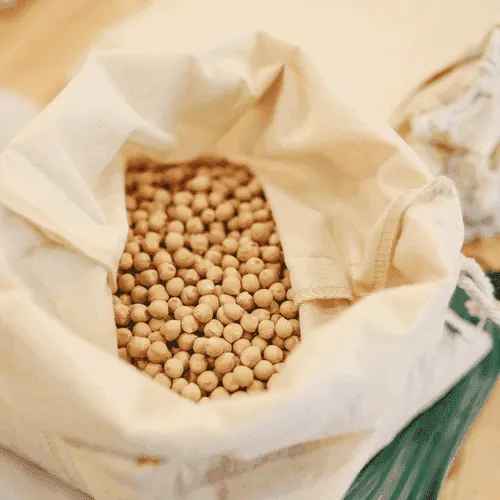 Chickpea
 Flax seed
 Ground hazelnuts
Frequently asked questions
Which intolerances does pumpkin seed affect?
Pumpkin seed is notable for histamine, salicylate and nickel. Clear on tyramine, sucrose, FODMAPs, lactose, oligosaccharides, sorbitol, fructose, oxalates and gluten.
Does pumpkin seed contain histamine?
Pumpkin seed contains only low levels of histamine. The pumpkin seed is a dry seed, and a dry seed produces no amines - bacteria need water to work. Rancidity does not change that: it is the oil reacting with oxygen, which yields aldehydes and off-flavours rather than amines - a good reason to smell before eating, and not a histamine one.
Does pumpkin seed contain salicylate?
Pumpkin seed contains only low levels of salicylate. Pumpkin seed: low in salicylate, and unaffected by roasting or salting. A practical substitute where nuts sit higher.
Does pumpkin seed contain nickel?
Pumpkin seed contains only low levels of nickel. Pumpkin seeds are moderate in most minerals and low in nickel. The hull carries more than the kernel, so hulled seeds measure lower than whole ones. Amounts vary by brand and recipe, so always check the label of the exact product.
Check any product in seconds
Scan a barcode with the Yllo app and see straight away whether a product fits your intolerances.