Chia seed
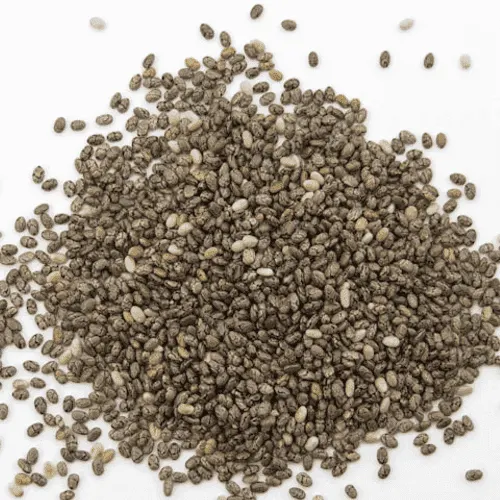
Other names chia seeds
Chia seed: moderate in oxalates; low in salicylate and nickel. If you're sensitive to any of these, check it against your profile before eating.
Intolerances
- OxalatesModerate
Chia seeds are moderate rather than high, and they are eaten by the tablespoon - but they are eaten daily by the people who eat them at all, and this axis is cumulative. Soaking them, which is how they are used, leaves some soluble oxalate in the gel rather than removing it.
Sources· 2
- Noonan SC & Savage GP, Asia Pac J Clin Nutr 8 (1999)
- USDA FoodData Central
- SalicylateLow
Chia seed is low in salicylate, and it is eaten in small quantities anyway, so it rarely contributes much regardless of the level.
- NickelLow
Chia seeds are eaten whole and soaked, so nothing is removed - but they are used a tablespoon at a time, and the seed is low in nickel to begin with.
Sources· 1
- Flyvholm M-A et al., Z Lebensm Unters Forsch 179 (1984) 427-431, nickel content of food and estimates of dietary intake
- Histamine (+liberators / DAO inhibitors)None
- TyramineNone
- SucroseNone
- FODMAPsNone
- LactoseFODMAPsNone
- OligosaccharidesFODMAPsNone
- SorbitolFODMAPsNone
- FructoseFODMAPsNone
- GlutenNo
Intolerance levels are based on our documented scientific sources. See sources →
React to Oxalates? Check these too









More in Nuts/Seeds
 Adzuki bean
 Almond
 Anise
Anise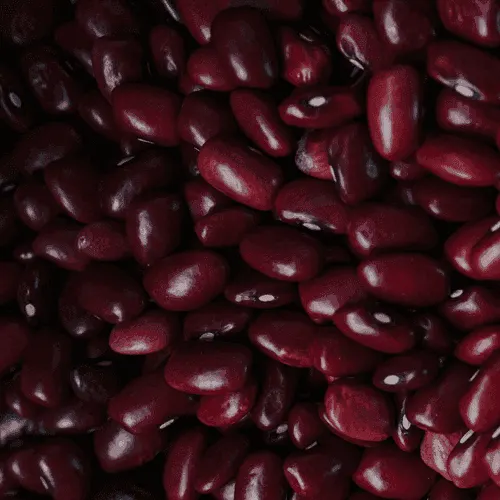 Beans
Beans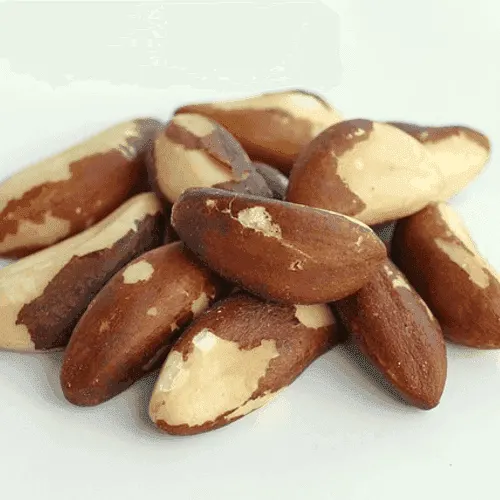 Brazil nut
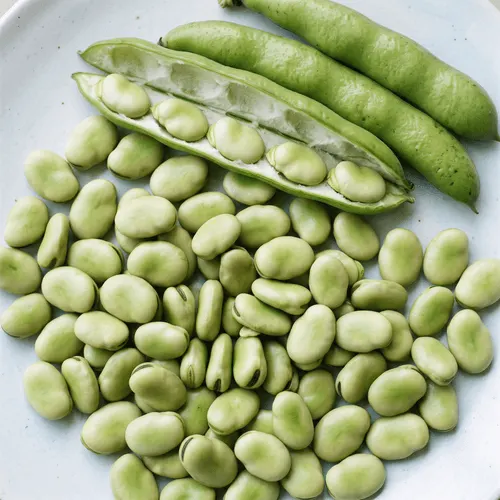 Broad bean
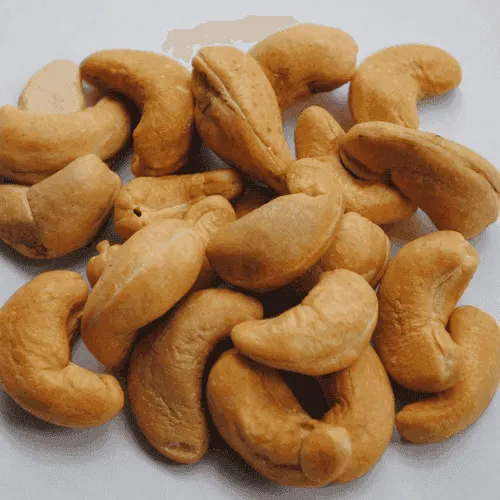 Cashew nuts
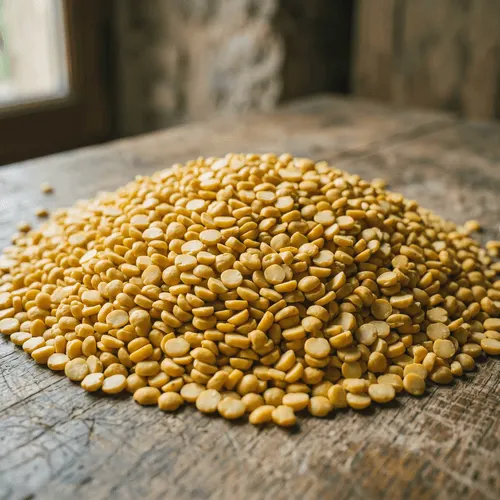 Channa dal
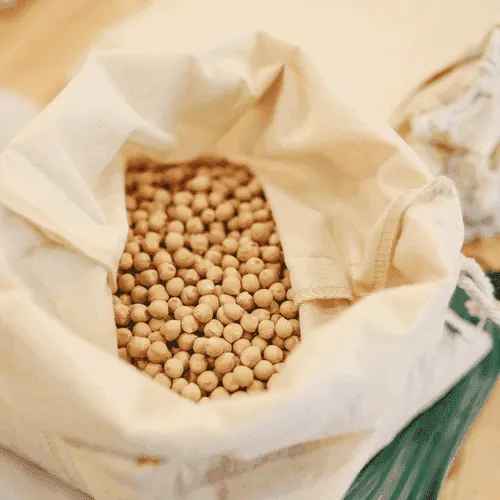 Chickpea
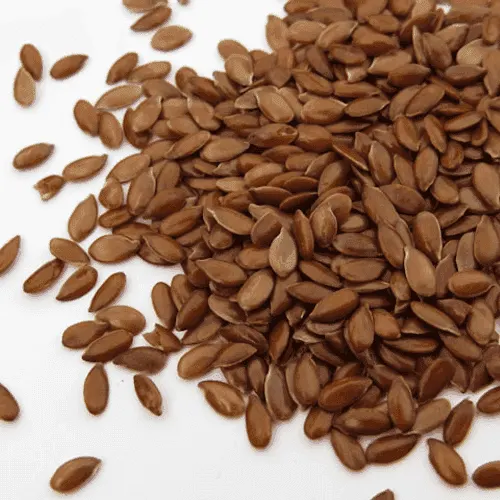 Flax seed
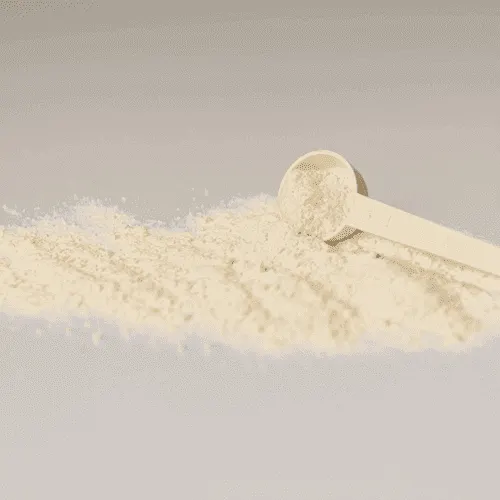 Ground hazelnuts
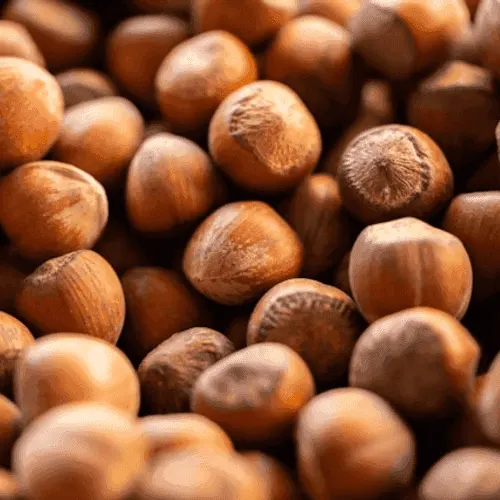 Hazelnut
Frequently asked questions
Which intolerances does chia seed affect?
Chia seed is notable for oxalates, salicylate and nickel. Clear on histamine, tyramine, sucrose, FODMAPs, lactose, oligosaccharides, sorbitol, fructose and gluten.
Does chia seed contain oxalates?
Chia seed contains moderate levels of oxalates. Chia seeds are moderate rather than high, and they are eaten by the tablespoon - but they are eaten daily by the people who eat them at all, and this axis is cumulative. Soaking them, which is how they are used, leaves some soluble oxalate in the gel rather than removing it.
Does chia seed contain salicylate?
Chia seed contains only low levels of salicylate. Chia seed is low in salicylate, and it is eaten in small quantities anyway, so it rarely contributes much regardless of the level.
Does chia seed contain nickel?
Chia seed contains only low levels of nickel. Chia seeds are eaten whole and soaked, so nothing is removed - but they are used a tablespoon at a time, and the seed is low in nickel to begin with. Amounts vary by brand and recipe, so always check the label of the exact product.
Check any product in seconds
Scan a barcode with the Yllo app and see straight away whether a product fits your intolerances.