Goat milk

Other names goat's milk, goats milk
Goat milk: high in FODMAPs and lactose. If you're sensitive to any of these, check it against your profile before eating.
Intolerances
- FODMAPsHigh
Goat milk carries essentially as much lactose as cow milk - the difference is a fraction of a percent. People switch to it expecting relief and do not get it. What is genuinely different is the protein and the fat globule size, which is another question entirely.
- LactoseFODMAPsHigh
Goat milk is 4.1 to 4.5 g of lactose per 100 ml across the composition tables - essentially the same as cow's, which is the point. It is not a low-lactose swap, and the reason some people find it easier has nothing to do with the sugar: its fat globules are smaller and its casein differs, which changes the digestion of the fat and the protein.
Sources· 3
- USDA FoodData Central
- Ciqual (ANSES)
- Schweizer Nahrwertdatenbank v6.3 (2021)
- Histamine (+liberators / DAO inhibitors)None
- TyramineNone
- SalicylateNone
- SucroseNone
- OligosaccharidesFODMAPsNone
- SorbitolFODMAPsNone
- FructoseFODMAPsNone
- NickelNone
- OxalatesNone
- GlutenNo
Intolerance levels are based on our documented scientific sources. See sources →
React to FODMAPs? Check these too



More in Dairy
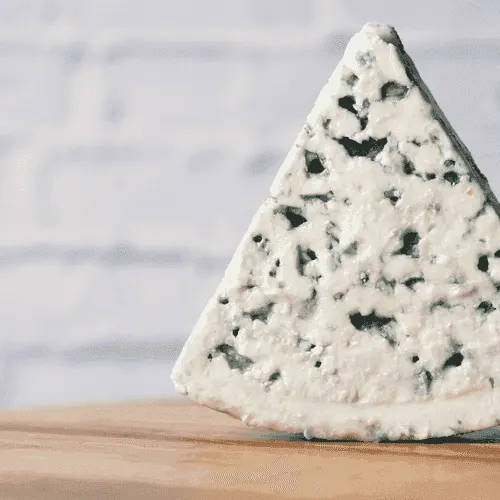 Blue cheese
 Brie
Brie Buffalo mozzarella
- Buttermilk
 Camembert
 Casein
 Cheddar
 Cream
Cream- Cream cheese
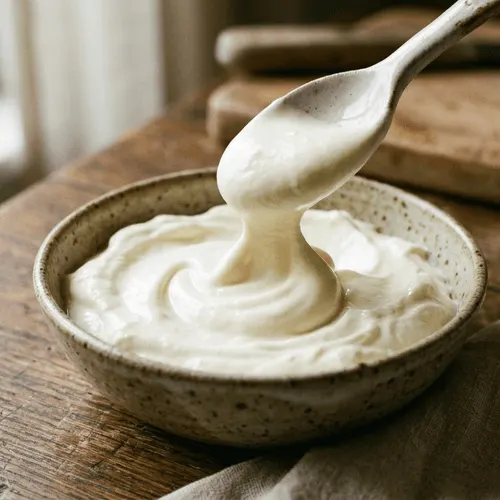 Crème fraîche
 Edam
Edam- Emmental
Frequently asked questions
Which intolerances does goat milk affect?
Goat milk is notable for FODMAPs and lactose. Clear on histamine, tyramine, salicylate, sucrose, oligosaccharides, sorbitol, fructose, nickel, oxalates and gluten.
Does goat milk contain FODMAPs?
Yes — goat milk is high in FODMAPs. Goat milk carries essentially as much lactose as cow milk - the difference is a fraction of a percent. People switch to it expecting relief and do not get it. What is genuinely different is the protein and the fat globule size, which is another question entirely.
Does goat milk contain lactose?
Yes — goat milk is high in lactose. Goat milk is 4.1 to 4.5 g of lactose per 100 ml across the composition tables - essentially the same as cow's, which is the point. It is not a low-lactose swap, and the reason some people find it easier has nothing to do with the sugar: its fat globules are smaller and its casein differs, which changes the digestion of the fat and the protein. Amounts vary by brand and recipe, so always check the label of the exact product.
Check any product in seconds
Scan a barcode with the Yllo app and see straight away whether a product fits your intolerances.