Cucumber
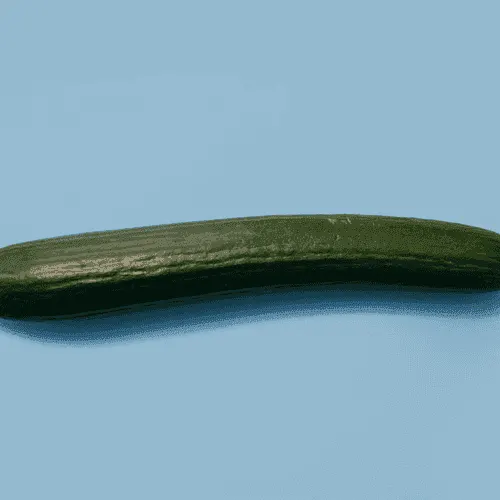
Other names baby cucumbers
Cucumber: low in salicylate. If you're sensitive to any of these, check it against your profile before eating.
Intolerances
- SalicylateLow
Peeled cucumber is low; the dark skin holds more salicylate. Since cucumber is often eaten unpeeled, that choice is the whole difference.
- Histamine (+liberators / DAO inhibitors)None
A cucumber is eaten raw, within days. A low-protein vegetable gives those bacteria little to work on, and pickling or fermenting would make a different food of it. The form that changes the answer is the pickled one: brine and weeks of standing are exactly what this axis counts.
Sources· 1
- Maintz & Novak, Am J Clin Nutr 2007
- TyramineNone
- SucroseNone
- FODMAPsNone
- LactoseFODMAPsNone
- OligosaccharidesFODMAPsNone
- SorbitolFODMAPsNone
- FructoseFODMAPsNone
- NickelNone
- OxalatesNone
- GlutenNone
Intolerance levels are based on our documented scientific sources. See sources →
React to Salicylate? Check these too








More in Fruits
 Acorn squash
 Apple
Apple Apricot
 Apricot canned
 Aubergine
 Avocado
 Banana
 Bell pepper
 Blackberry
 Blackcurrant
 Blood orange
 Blueberry
Frequently asked questions
Which intolerances does cucumber affect?
Cucumber is notable for salicylate. Clear on histamine, tyramine, sucrose, FODMAPs, lactose, oligosaccharides, sorbitol, fructose, nickel, oxalates and gluten.
Does cucumber contain salicylate?
Cucumber contains only low levels of salicylate. Peeled cucumber is low; the dark skin holds more salicylate. Since cucumber is often eaten unpeeled, that choice is the whole difference. Amounts vary by brand and recipe, so always check the label of the exact product.
Check any product in seconds
Scan a barcode with the Yllo app and see straight away whether a product fits your intolerances.