Orange
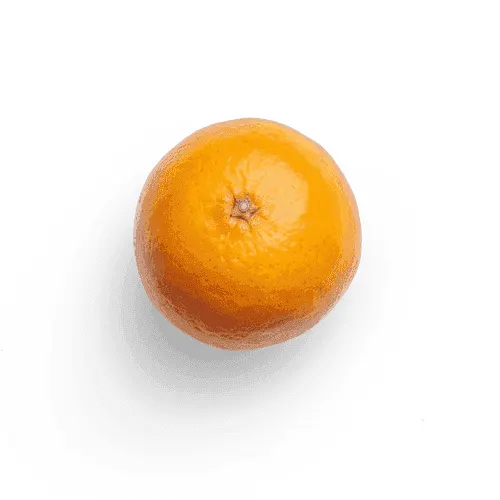
Orange: moderate in histamine, salicylate and oxalates; low in FODMAPs, fructose, oligosaccharides, sucrose and nickel. If you're sensitive to any of these, check it against your profile before eating.
Intolerances
- Histamine (+liberators / DAO inhibitors)Moderate
Orange is a liberator and holds almost no histamine of its own, which is why looking up its histamine content tells you nothing useful. What sets it apart from lemon is the portion: an orange is eaten as a fruit, in whole units, where lemon arrives in spoonfuls - so the dose is larger and less noticed. Citrus is on the elimination lists as a liberator, but the current review attributes its symptoms to its other amines — putrescine above all — competing for the enzyme that clears histamine.
Sources· 3
- Maintz & Novak, Am J Clin Nutr 2007
- Zuberbier et al., EAACI/GA2LEN urticaria guideline
- Comas-Basté O. et al., Biomolecules 10:1181 (2020), section 5.4.1, attributing the symptoms of citrus to its other amines, putrescine above all, competing for DAO
- SalicylateModerate
Orange: the pith and zest hold far more salicylate than the flesh, so zest is the thing to watch: a teaspoon of it in a recipe outweighs eating the segments.
Sources· 1
- Scotter M.J. et al., Food Chemistry 105 (2007), free and acetyl salicylic acid in foods by GC-MS, and Venema D. et al., J Agric Food Chem 44 (1996), acetylsalicylic and salicylic acid in foods by HPLC
- OxalatesModerate
Orange is a moderate oxalate source, so if you are sensitive keep the portion reasonable and drink plenty of water to help clear oxalate. Dried and concentrated forms are higher.
- FODMAPsLow
Orange carries most of its sugar as sucrose, which splits into glucose and fructose in equal parts - so the glucose escorts the fructose across and nothing is left over. Citrus is the reliable fruit on this axis, and the juice is lower than the fruit only because the pith goes.
Sources· 1
- Muir J et al., J Agric Food Chem 55 (2007) 6619-6627 and 57 (2009) 554-565, fructans and short-chain carbohydrates measured in Australian vegetables and fruit
- FructoseFODMAPsLow
Orange is low on this axis because of balanced sugars, with sucrose making up much of the total. Fructose only causes trouble when it outruns glucose - glucose is what carries it across the gut wall, so a balanced fruit is absorbed even when it tastes sweet.
- OligosaccharidesFODMAPsLow
Orange is one of the few fruits that is low on every FODMAP family at once - no chains, no polyol, balanced sugars. It is the standard reference fruit on this diet for that reason, and the juice of two is not, because that is two fruits without the fibre. Fruit oligosaccharides are the part of this axis least visible on a label: they are not sweetness and not fibre in the usual sense, and two fruits that taste alike can differ several-fold. The level follows measurements made on fruit specifically.
Sources· 1
- Muir J. et al., J Agric Food Chem 55 (2007) and 57 (2009), and Jovanovic-Malinovska R. et al., Int J Food Prop 17 (2014), oligosaccharides in fruit
- SucroseLow
Orange carries its sugar mostly as free glucose and fructose rather than as sucrose, so there is little for sucrase to split. Sweetness and sucrose content are not the same measurement, and this fruit is the proof.
- NickelLow
Oranges are low in nickel, and the peel carries more than the flesh - which matters only if you use zest. Juice is lower still, since it leaves the pith behind.
- LactoseFODMAPsNone
- GlutenNone
- SorbitolFODMAPsNone
- TyramineNone
Intolerance levels are based on our documented scientific sources. See sources →
Note about this food
Histamine – liberator not source: Oranges are not high in histamine themselves, but they are classified as histamine liberators—they trigger the release of endogenous histamine from mast cells . This pseudo-allergic reaction occurs without IgE involvement and can cause symptoms in sensitive individuals. Oranges are listed among foods to limit on low-histamine diets Oxalates: this is a moderate oxalate source, so if you're oxalate-sensitive keep the portion modest and drink plenty of water to help flush oxalates. Dried or concentrated forms are higher in oxalate.
React to Histamine (+liberators / DAO inhibitors)? Check these too





More in Fruits
 Acorn squash
 Apple
Apple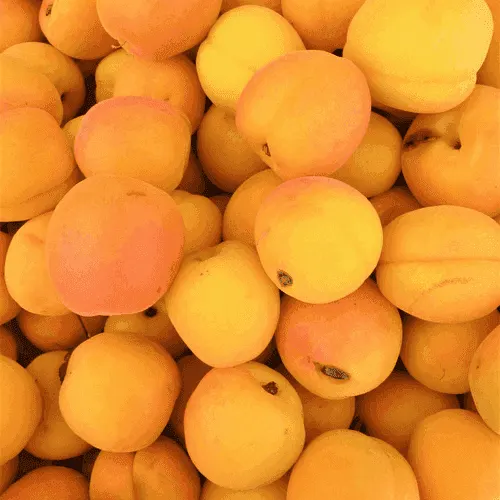 Apricot
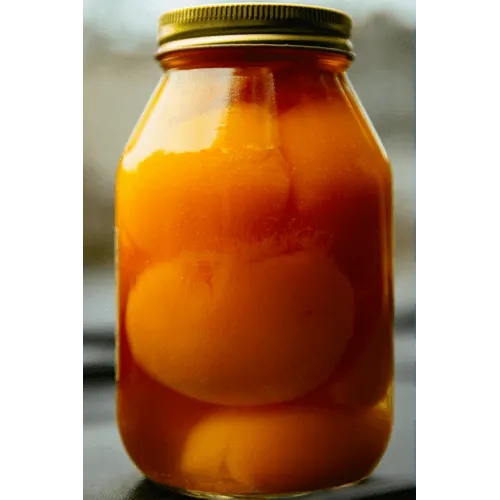 Apricot canned
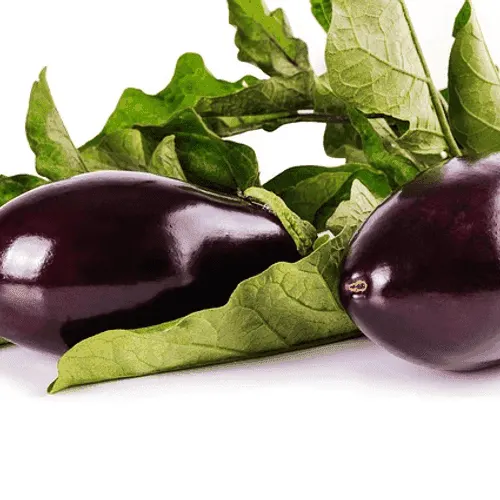 Aubergine
 Avocado
 Banana
 Bell pepper
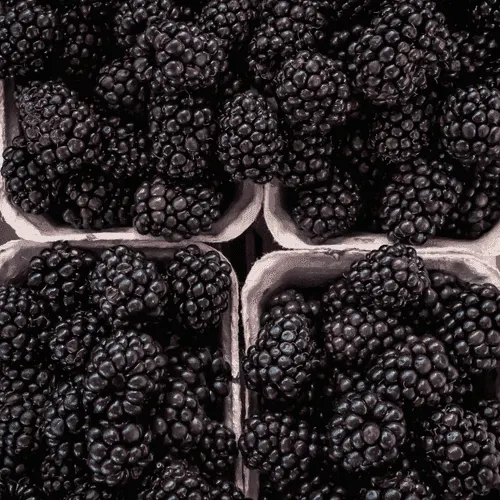 Blackberry
 Blackcurrant
 Blood orange
 Blueberry
Frequently asked questions
Which intolerances does orange affect?
Orange is notable for histamine, salicylate, oxalates, FODMAPs, fructose, oligosaccharides, sucrose and nickel. Clear on lactose, gluten, sorbitol and tyramine.
Does orange contain histamine?
Orange contains moderate levels of histamine. Orange is a liberator and holds almost no histamine of its own, which is why looking up its histamine content tells you nothing useful. What sets it apart from lemon is the portion: an orange is eaten as a fruit, in whole units, where lemon arrives in spoonfuls - so the dose is larger and less noticed. Citrus is on the elimination lists as a liberator, but the current review attributes its symptoms to its other amines — putrescine above all — competing for the enzyme that clears histamine.
Does orange contain salicylate?
Orange contains moderate levels of salicylate. Orange: the pith and zest hold far more salicylate than the flesh, so zest is the thing to watch: a teaspoon of it in a recipe outweighs eating the segments.
Does orange contain oxalates?
Orange contains moderate levels of oxalates. Orange is a moderate oxalate source, so if you are sensitive keep the portion reasonable and drink plenty of water to help clear oxalate. Dried and concentrated forms are higher.
Does orange contain FODMAPs?
Orange contains only low levels of FODMAPs. Orange carries most of its sugar as sucrose, which splits into glucose and fructose in equal parts - so the glucose escorts the fructose across and nothing is left over. Citrus is the reliable fruit on this axis, and the juice is lower than the fruit only because the pith goes. Amounts vary by brand and recipe, so always check the label of the exact product.
Check any product in seconds
Scan a barcode with the Yllo app and see straight away whether a product fits your intolerances.