Red lentils
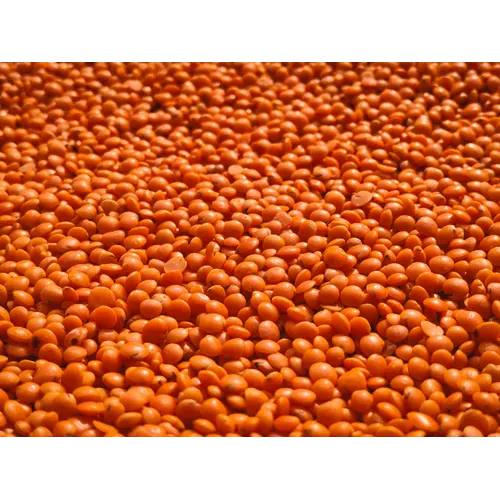
Red lentils: high in nickel; moderate in histamine and oxalates; low in salicylate, FODMAPs, oligosaccharides and gluten. If you're sensitive to any of these, check it against your profile before eating.
Intolerances
- NickelHigh
Red lentils are hulled, which lowers the fibre but not the nickel - the metal sits throughout the seed, not just in the skin. They cook faster than brown lentils and are just as high.
Sources· 1
- Flyvholm M-A et al., Z Lebensm Unters Forsch 179 (1984) 427-431, nickel content of food and estimates of dietary intake
- Histamine (+liberators / DAO inhibitors)Moderate
Red lentils are split and hulled, so they cook in ten minutes rather than forty - the shortest cooking of any pulse. Less time in the pot is less time for anything to happen, and they are usually cooked from dry rather than soaked overnight, which removes the step where amines have most often been measured to rise. That pattern was measured in broad bean, chick pea and lupine rather than in the lentil itself: cooking left those seeds free of biogenic amines, which turned up in the boiling water instead.
Sources· 2
- Shalaby A, Nahrung 44:1 (2000), 23-27, biogenic amines in mature and germinating legume seeds and during cooking
- Comas-Baste et al., Biomolecules 2020
- OxalatesModerate
Red lentils are hulled and split, and that shows on the FODMAP and oligosaccharide axes, where they sit a level below the whole lentil. Hulling does not take the oxalate away, though: the seed coat carries part of it and the cotyledon carries the rest. Boiling in water you then throw away is the lever that works, and red lentils cook fast enough that people often keep the water.
Sources· 1
- Noonan SC & Savage GP, Asia Pac J Clin Nutr 8 (1999)
- SalicylateLow
Red lentils: low in salicylate, and split so they cook down quickly. As with all pulses, the FODMAP rating is the one that usually decides the portion.
- FODMAPsLow
Red lentils are low at half a cup, canned and rinsed, and canning is what makes that possible for a pulse: the galacto-oligosaccharides are water-soluble, so they leach into the brine and go down the sink when you rinse. Dried and boiled at home, the same pulse measures higher unless you throw the cooking water away too.
- OligosaccharidesFODMAPsLow
Red lentils are split and hulled, which means they cook in minutes and give up their water-soluble GOS quickly into the pot. They are the lowest of the pulses on this axis, and the split is why. Pulse oligosaccharides are water-soluble, and that is the practical point: the level here follows work on pulses AND on what cooking does to them, because soaking and boiling move part of them into water that is usually thrown away.
Sources· 1
- Reddy N. et al., Food Chemistry 13 (1984) 25-68, and Wang N. et al., Food Res Int 43 (2010) 589-594, oligosaccharides of pulses and the effect of cooking
- GlutenPossible
Red lentils are split and hulled, which means an extra processing step on machinery that may have handled gluten cereals - more handling, not less. They also cook to a purée, so a stray grain cannot be picked out at the pot the way it can with a whole lentil.
Sources· 2
- AFDIAG (France) — les trois céréales interdites (blé, orge, seigle et leurs hybrides) et l'avoine non contaminée « consommable par presque tous les cœliaques »
- Regulation (EU) No 1169/2011, Annex II
- TyramineNone
- SucroseNone
- LactoseFODMAPsNone
- SorbitolFODMAPsNone
- FructoseFODMAPsNone
Intolerance levels are based on our documented scientific sources. See sources →
React to Nickel? Check these too






More in Nuts/Seeds
 Adzuki bean
 Almond
 Anise
Anise Beans
Beans Brazil nut
 Broad bean
 Cashew nuts
 Channa dal
 Chia seed
 Chickpea
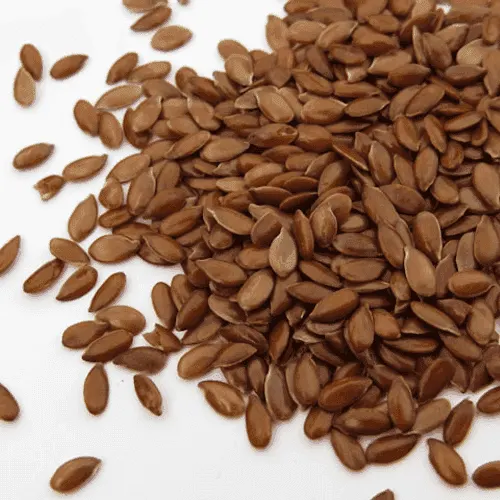 Flax seed
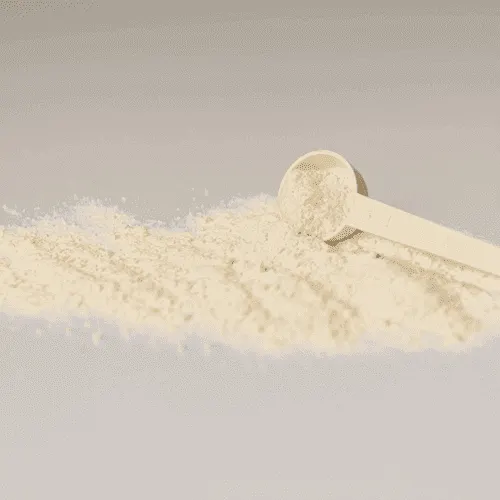 Ground hazelnuts
Frequently asked questions
Which intolerances does red lentils affect?
Red lentils is notable for nickel, histamine, oxalates, salicylate, FODMAPs, oligosaccharides and gluten. Clear on tyramine, sucrose, lactose, sorbitol and fructose.
Does red lentils contain nickel?
Yes — red lentils is high in nickel. Red lentils are hulled, which lowers the fibre but not the nickel - the metal sits throughout the seed, not just in the skin. They cook faster than brown lentils and are just as high.
Does red lentils contain histamine?
Red lentils contains moderate levels of histamine. Red lentils are split and hulled, so they cook in ten minutes rather than forty - the shortest cooking of any pulse. Less time in the pot is less time for anything to happen, and they are usually cooked from dry rather than soaked overnight, which removes the step where amines have most often been measured to rise. That pattern was measured in broad bean, chick pea and lupine rather than in the lentil itself: cooking left those seeds free of biogenic amines, which turned up in the boiling water instead.
Does red lentils contain oxalates?
Red lentils contains moderate levels of oxalates. Red lentils are hulled and split, and that shows on the FODMAP and oligosaccharide axes, where they sit a level below the whole lentil. Hulling does not take the oxalate away, though: the seed coat carries part of it and the cotyledon carries the rest. Boiling in water you then throw away is the lever that works, and red lentils cook fast enough that people often keep the water.
Does red lentils contain salicylate?
Red lentils contains only low levels of salicylate. Red lentils: low in salicylate, and split so they cook down quickly. As with all pulses, the FODMAP rating is the one that usually decides the portion. Amounts vary by brand and recipe, so always check the label of the exact product.
Check any product in seconds
Scan a barcode with the Yllo app and see straight away whether a product fits your intolerances.