Cane sugar
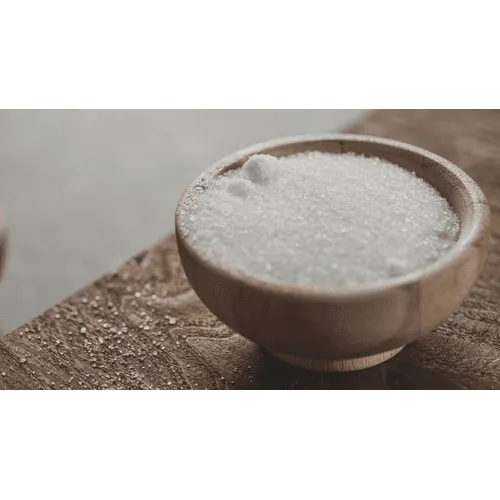
Other names Sucre de canne, Brown cane sugar
Cane sugar: high in sucrose; low in fructose. If you're sensitive to any of these, check it against your profile before eating.
Intolerances
- SucroseHigh
Cane sugar is sucrose, chemically identical to beet sugar - the plant it came from changes the price and the story, not the molecule or the enzyme needed to digest it. The composition is corroborated by the national nutrient database.
Sources· 1
- USDA FoodData Central
- FructoseFODMAPsLow
Cane sugar is sucrose, the same molecule as beet sugar. Sucrose splits in the gut into one glucose and one fructose - equal parts, so the glucose carries the fructose across and no excess is created. That is why table sugar sits below agave or honey here.
Sources· 1
- USDA FoodData Central, queried for the sugar profile
- FODMAPsNone
- LactoseFODMAPsNone
- Histamine (+liberators / DAO inhibitors)None
- GlutenNo
- OligosaccharidesFODMAPsNone
- SorbitolFODMAPsNone
- TyramineNone
- SalicylateNone
- NickelNone
- OxalatesNone
Intolerance levels are based on our documented scientific sources. See sources →
React to Sucrose? Check these too





More in Sweeteners
 Acesulfame K
- Advantame
 Agave syrup
- Alitame
- Aspartame
- Aspartame Acesulfame salt
 Brown rice syrup
 Brown sugar
- Coconut sugar
- Cyclamic acid
- Dextrose
- Erythritol
Frequently asked questions
Which intolerances does Cane sugar affect?
Cane sugar is notable for sucrose and fructose. Clear on FODMAPs, lactose, histamine, gluten, oligosaccharides, sorbitol, tyramine, salicylate, nickel and oxalates.
Does Cane sugar contain sucrose?
Yes — Cane sugar is high in sucrose. Cane sugar is sucrose, chemically identical to beet sugar - the plant it came from changes the price and the story, not the molecule or the enzyme needed to digest it. The composition is corroborated by the national nutrient database.
Does Cane sugar contain fructose?
Cane sugar contains only low levels of fructose. Cane sugar is sucrose, the same molecule as beet sugar. Sucrose splits in the gut into one glucose and one fructose - equal parts, so the glucose carries the fructose across and no excess is created. That is why table sugar sits below agave or honey here. Amounts vary by brand and recipe, so always check the label of the exact product.
Check any product in seconds
Scan a barcode with the Yllo app and see straight away whether a product fits your intolerances.