Minced beef
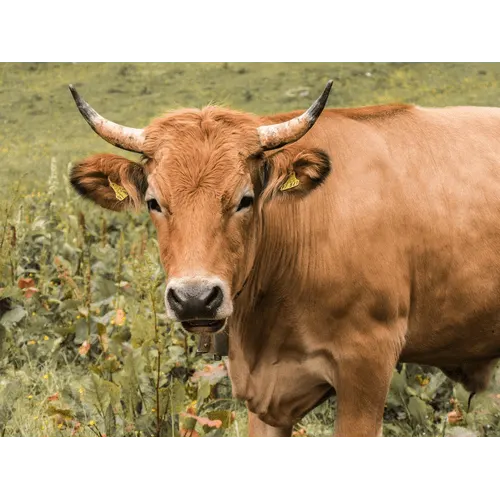
Other names ground beef, beef mince
Minced beef: moderate in histamine and tyramine. If you're sensitive to any of these, check it against your profile before eating.
Intolerances
- Histamine (+liberators / DAO inhibitors)Moderate
Mincing multiplies the surface bacteria work on, so histamine climbs far faster than in a whole cut. Buy it minced the same day and cook it the same day — a whole steak keeps much better.
- TyramineModerate
Minced beef is the same meat with the surface area multiplied - mincing turns the inside of a joint into surface, and surface is where the bacteria that build tyramine work. It is the reason mince has a shorter use-by date than the steak it came from, and the reason it sits here while the steak does not.
Sources· 3
- EFSA Journal 2011
- McCabe-Sellers et al., J Food Compos Anal 2006
- Villanueva Valero et al., Food Sci Technol Int 11 (2005), amines during storage of vacuum-packaged kidney, liver and spleen
- SalicylateNone
- SucroseNone
- FODMAPsNone
- LactoseFODMAPsNone
- OligosaccharidesFODMAPsNone
- SorbitolFODMAPsNone
- FructoseFODMAPsNone
- NickelNone
- OxalatesNone
- GlutenNo
Intolerance levels are based on our documented scientific sources. See sources →
Note about this food
Ground meat contains more histamine because the grinding process increases surface area and exposes the meat to more oxygen and bacteria, which can accelerate histamine formation—especially if the meat isn’t very fresh. reheating can allow more histamine to accumulate if the food wasn’t stored properly
React to Histamine (+liberators / DAO inhibitors)? Check these too


More in Meat
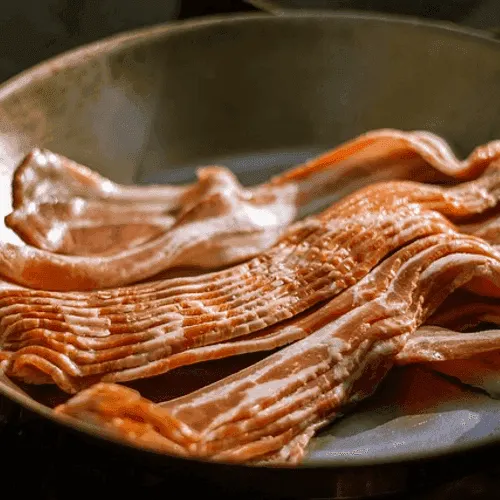 Bacon
Bacon- Beef
- Beef heart
- Beef liver
- Beef tongue
 Chicken
- Chicken heart
- Chicken liver
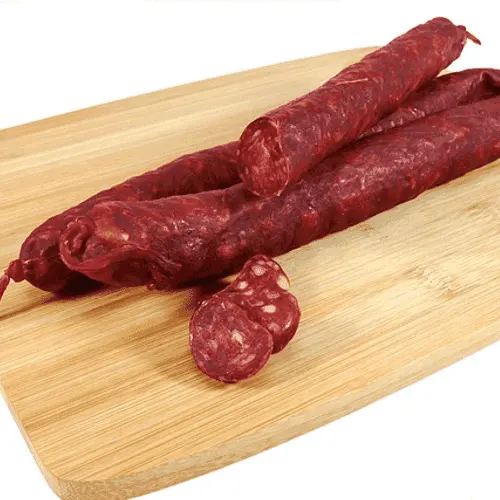 Chorizo
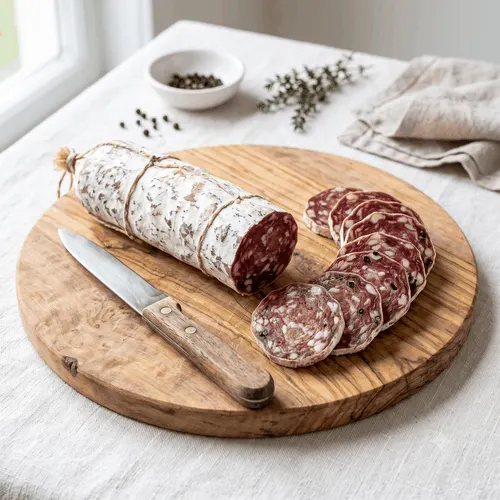 Cured sausage
 Duck
Duck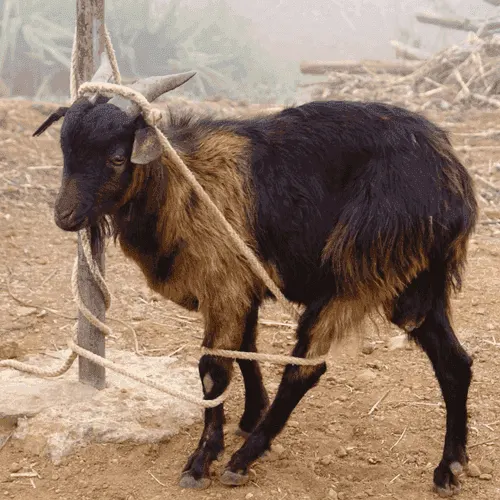 Goat
Goat
Frequently asked questions
Which intolerances does minced beef affect?
Minced beef is notable for histamine and tyramine. Clear on salicylate, sucrose, FODMAPs, lactose, oligosaccharides, sorbitol, fructose, nickel, oxalates and gluten.
Does minced beef contain histamine?
Minced beef contains moderate levels of histamine. Mincing multiplies the surface bacteria work on, so histamine climbs far faster than in a whole cut. Buy it minced the same day and cook it the same day — a whole steak keeps much better.
Does minced beef contain tyramine?
Minced beef contains moderate levels of tyramine. Minced beef is the same meat with the surface area multiplied - mincing turns the inside of a joint into surface, and surface is where the bacteria that build tyramine work. It is the reason mince has a shorter use-by date than the steak it came from, and the reason it sits here while the steak does not. Amounts vary by brand and recipe, so always check the label of the exact product.
Check any product in seconds
Scan a barcode with the Yllo app and see straight away whether a product fits your intolerances.