Beef

Other names steers
Beef: low in histamine. If you're sensitive to any of these, check it against your profile before eating.
Intolerances
- Histamine (+liberators / DAO inhibitors)Low
Fresh beef is low in histamine. What raises meat on this axis is time and temperature - hung, aged or vacuum-packed meat accumulates amines steadily, and dry-aged steak is a different food here from a fresh cut.
- TyramineNone
- SalicylateNone
- SucroseNone
- FODMAPsNone
- LactoseFODMAPsNone
- OligosaccharidesFODMAPsNone
- SorbitolFODMAPsNone
- FructoseFODMAPsNone
- NickelNone
- OxalatesNone
- GlutenNo
Intolerance levels are based on our documented scientific sources. See sources →
Note about this food
Although beef itself does not naturally contain histamine, standard beef is typically aged for one to two weeks to enhance its tenderness and flavor. This aging process allows histamine to build up, which can trigger symptoms in sensitive individuals. For this reason, it's often better to choose meats that are sold fresh and with minimal aging, such as lamb, veal, or poultry, which generally have lower histamine levels and are better tolerated.
React to Histamine (+liberators / DAO inhibitors)? Check these too









More in Meat
 Bacon
Bacon- Beef heart
- Beef liver
- Beef tongue
 Chicken
- Chicken heart
- Chicken liver
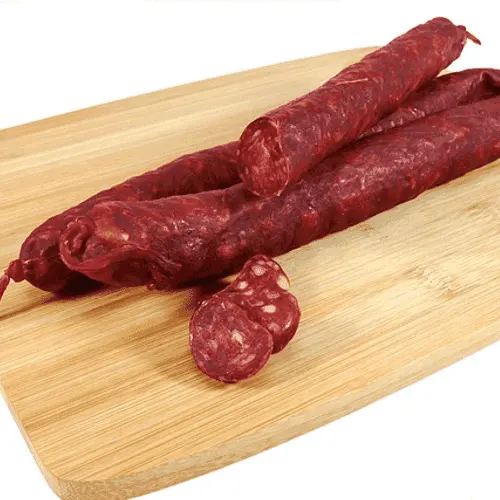 Chorizo
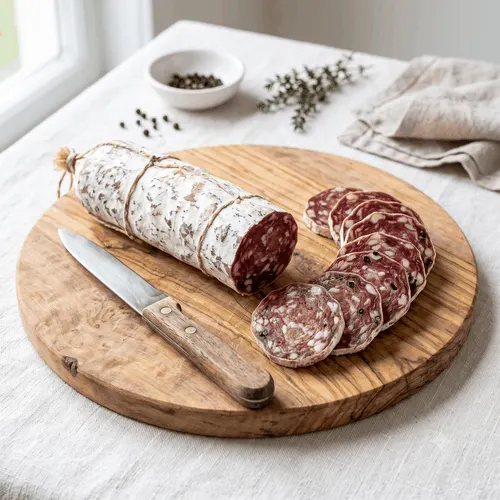 Cured sausage
 Duck
Duck Goat
Goat Goose
Goose
Frequently asked questions
Which intolerances does beef affect?
Beef is notable for histamine. Clear on tyramine, salicylate, sucrose, FODMAPs, lactose, oligosaccharides, sorbitol, fructose, nickel, oxalates and gluten.
Does beef contain histamine?
Beef contains only low levels of histamine. Fresh beef is low in histamine. What raises meat on this axis is time and temperature - hung, aged or vacuum-packed meat accumulates amines steadily, and dry-aged steak is a different food here from a fresh cut. Amounts vary by brand and recipe, so always check the label of the exact product.
Check any product in seconds
Scan a barcode with the Yllo app and see straight away whether a product fits your intolerances.