Wine vinegar
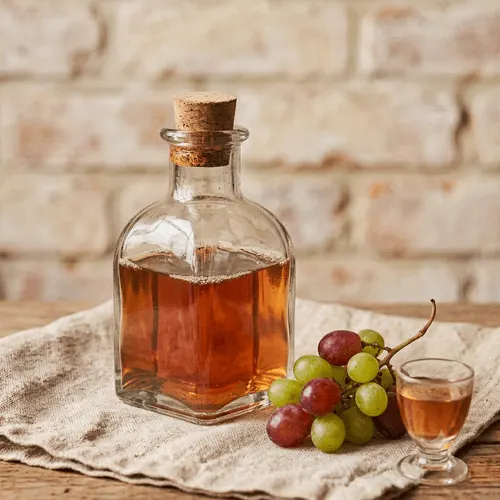
Wine vinegar: high in histamine and salicylate; low in tyramine. If you're sensitive to any of these, check it against your profile before eating.
Intolerances
- Histamine (+liberators / DAO inhibitors)High
Wine vinegar without a colour on the label is usually a blend, and blends are made to a price rather than to an age - which means you cannot tell from the bottle whether it was aged in wood or produced in a week by an acetator. Assume the middle of the range and treat the quantity as the lever. Ordóñez surveyed red, white and Sherry wine vinegars and separated them by their amine profiles — every kind except the red ones, which principal component analysis could not tell apart.
Sources· 3
- Comas-Baste et al., Biomolecules 2020
- McCabe-Sellers et al., J Food Compos Anal 2006
- Ordóñez J.L. et al., Food Chem 141 (2013) 2713–2719, biogenic amines measured in balsamic, apple and wine vinegars
- SalicylateHigh
The sourness is acetic acid, which is unrelated to salicylate — what makes wine vinegar high is the grape it was fermented from, and enough survives to put it at the highest level.
- TyramineLow
Wine vinegar is the general category, red or white, so two fermentations have run through it. Surveys of vinegars do find biogenic amines, but at levels a tablespoon of dressing does not carry far - the portion is what keeps this low, not the process.
- FODMAPsNone
- LactoseFODMAPsNone
- GlutenNo
- FructoseFODMAPsNone
- OligosaccharidesFODMAPsNone
- SorbitolFODMAPsNone
- SucroseNone
- NickelNone
- OxalatesNone
Intolerance levels are based on our documented scientific sources. See sources →
React to Histamine (+liberators / DAO inhibitors)? Check these too
More in Spices
 Allspice
 Apple cider vinegar
 Balsamic vinegar
 Basil
Basil Bay leaf
 Black pepper
 Bourbon vanilla
 Capers
 Caraway
 Cardamom
 Cayenne pepper
 Chili powder
Frequently asked questions
Which intolerances does wine vinegar affect?
Wine vinegar is notable for histamine, salicylate and tyramine. Clear on FODMAPs, lactose, gluten, fructose, oligosaccharides, sorbitol, sucrose, nickel and oxalates.
Does wine vinegar contain histamine?
Yes — wine vinegar is high in histamine. Wine vinegar without a colour on the label is usually a blend, and blends are made to a price rather than to an age - which means you cannot tell from the bottle whether it was aged in wood or produced in a week by an acetator. Assume the middle of the range and treat the quantity as the lever. Ordóñez surveyed red, white and Sherry wine vinegars and separated them by their amine profiles — every kind except the red ones, which principal component analysis could not tell apart.
Does wine vinegar contain salicylate?
Yes — wine vinegar is high in salicylate. The sourness is acetic acid, which is unrelated to salicylate — what makes wine vinegar high is the grape it was fermented from, and enough survives to put it at the highest level.
Does wine vinegar contain tyramine?
Wine vinegar contains only low levels of tyramine. Wine vinegar is the general category, red or white, so two fermentations have run through it. Surveys of vinegars do find biogenic amines, but at levels a tablespoon of dressing does not carry far - the portion is what keeps this low, not the process. Amounts vary by brand and recipe, so always check the label of the exact product.
Check any product in seconds
Scan a barcode with the Yllo app and see straight away whether a product fits your intolerances.