Cardamom
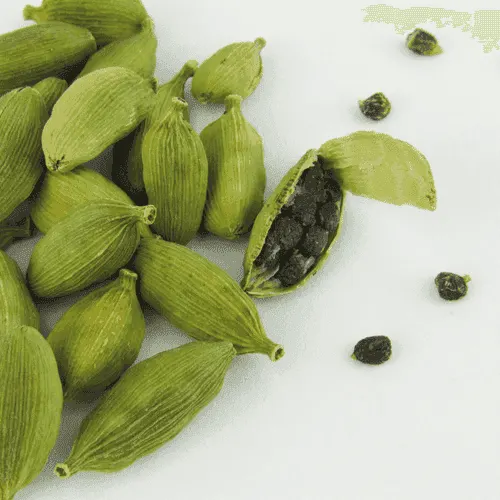
Other names cardamon, Elaichi
Cardamom: high in salicylate and oxalates; low in histamine. If you're sensitive to any of these, check it against your profile before eating.
Intolerances
- SalicylateHigh
Dried pod and seed, high in salicylate per gram and used sparingly in cooking. Cardamom-heavy drinks — spiced coffee, chai — are where a genuinely large dose accumulates.
- OxalatesHigh
Green cardamom is the highest-oxalate spice of the ten measured, and not by a little: 4,014 mg per 100 g of total oxalate, of which 3,977 is soluble - almost all of it in the absorbable form. What keeps the eaten dose small is the pod: three or four in a rice dish, usually lifted out before serving, so most of that 100 g figure never reaches the plate. Ground cardamom in a spice mix is the form where the number starts to count.
Sources· 2
- Ghosh Das S & Savage GP, Plant Foods Hum Nutr 67 (2012), total and soluble oxalate of ten Indian spices
- Noonan SC & Savage GP, Asia Pac J Clin Nutr 8 (1999)
- Histamine (+liberators / DAO inhibitors)Low
Cardamom is dried plant material with no protein and no fermentation, so it produces no histamine of its own. It is used in pinches besides. The Swiss list rates “cardamom” 0 of 3, without the L it reserves for liberators.
Sources· 1
- SIGHI — Swiss Interest Group Histamine Intolerance, food-compatibility list (2024-08-29), for the entry, its rating and the absence of a liberator letter
- TyramineNone
- SucroseNone
- FODMAPsNone
- LactoseFODMAPsNone
- OligosaccharidesFODMAPsNone
- SorbitolFODMAPsNone
- FructoseFODMAPsNone
- NickelNone
- GlutenNo
Intolerance levels are based on our documented scientific sources. See sources →
React to Salicylate? Check these too
More in Spices
 Allspice
 Apple cider vinegar
 Balsamic vinegar
 Basil
Basil Bay leaf
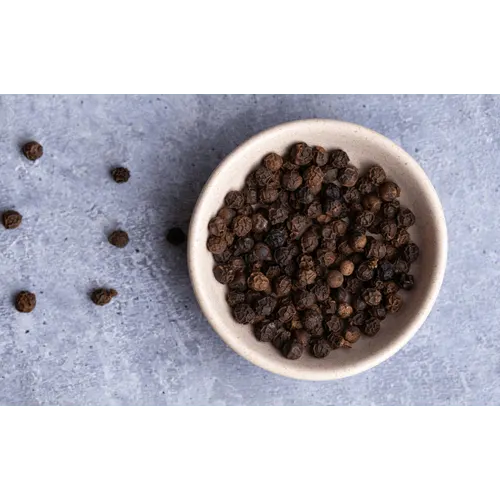 Black pepper
 Bourbon vanilla
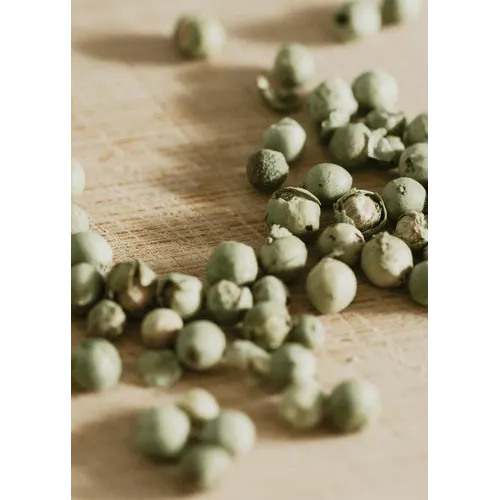 Capers
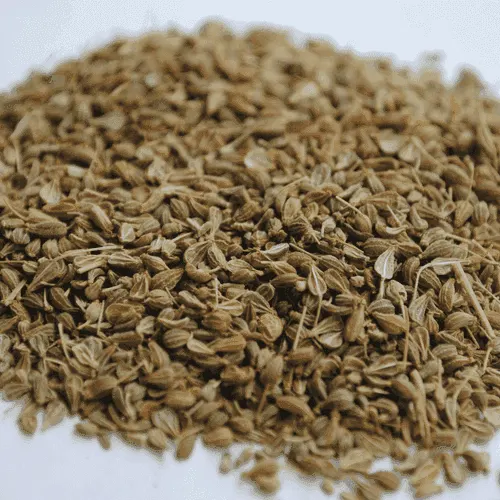 Caraway
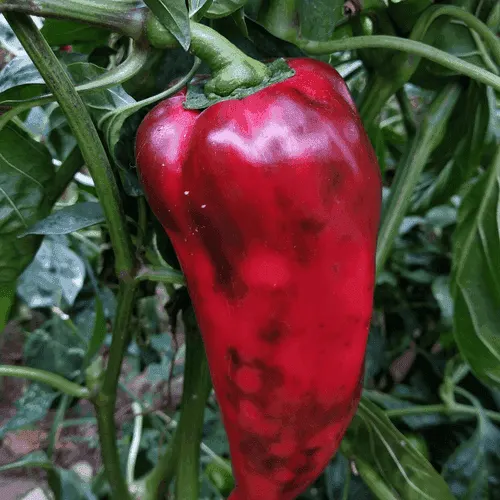 Cayenne pepper
 Chili powder
 Chives
Frequently asked questions
Which intolerances does cardamom affect?
Cardamom is notable for salicylate, oxalates and histamine. Clear on tyramine, sucrose, FODMAPs, lactose, oligosaccharides, sorbitol, fructose, nickel and gluten.
Does cardamom contain salicylate?
Yes — cardamom is high in salicylate. Dried pod and seed, high in salicylate per gram and used sparingly in cooking. Cardamom-heavy drinks — spiced coffee, chai — are where a genuinely large dose accumulates.
Does cardamom contain oxalates?
Yes — cardamom is high in oxalates. Green cardamom is the highest-oxalate spice of the ten measured, and not by a little: 4,014 mg per 100 g of total oxalate, of which 3,977 is soluble - almost all of it in the absorbable form. What keeps the eaten dose small is the pod: three or four in a rice dish, usually lifted out before serving, so most of that 100 g figure never reaches the plate. Ground cardamom in a spice mix is the form where the number starts to count.
Does cardamom contain histamine?
Cardamom contains only low levels of histamine. Cardamom is dried plant material with no protein and no fermentation, so it produces no histamine of its own. It is used in pinches besides. The Swiss list rates “cardamom” 0 of 3, without the L it reserves for liberators. Amounts vary by brand and recipe, so always check the label of the exact product.
Check any product in seconds
Scan a barcode with the Yllo app and see straight away whether a product fits your intolerances.