Sumac
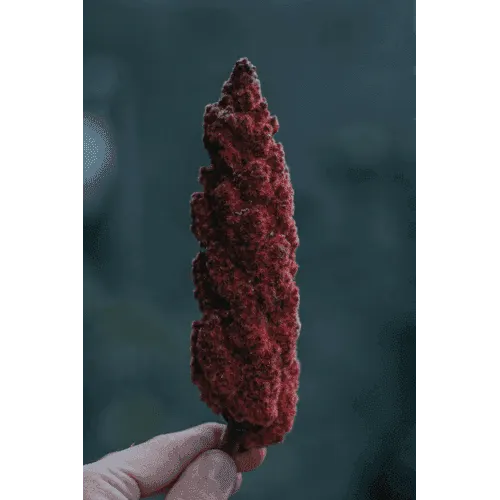
Other names Sumac, Zumaque
Sumac: high in salicylate; low in histamine and oxalates. If you're sensitive to any of these, check it against your profile before eating.
Intolerances
- SalicylateHigh
Sumac is a dried, ground berry used for its sourness, and it is one of the highest-salicylate spices measured. It is often used generously as a finishing sprinkle, which is where the dose comes from.
Sources· 1
- Paterson J.R. et al., J Agric Food Chem 54 (2006) 2891-2896, salicylic acid content of spices and its bioavailability
- Histamine (+liberators / DAO inhibitors)Low
Sumac is dried plant material with no protein and no fermentation, so it produces no histamine of its own. It is used in pinches besides. Where a spice appears on an elimination list, it is usually as a liberator rather than a carrier.
Sources· 1
- SIGHI — Swiss Interest Group Histamine Intolerance, food-compatibility list, for the entry, its rating and its letters
- OxalatesLow
Sumac is the dried, ground drupe of Rhus coriaria, a Levantine spice that appears in no published oxalate assay. Nobody eats a hundred grams of a spice. The level here reflects the portion, and both facts are true at once: concentrated in the jar, negligible on the plate.
- FODMAPsNone
- LactoseFODMAPsNone
- GlutenNo
- FructoseFODMAPsNone
- OligosaccharidesFODMAPsNone
- SorbitolFODMAPsNone
- SucroseNone
- TyramineNone
- NickelNone
Intolerance levels are based on our documented scientific sources. See sources →
React to Salicylate? Check these too










More in Spices
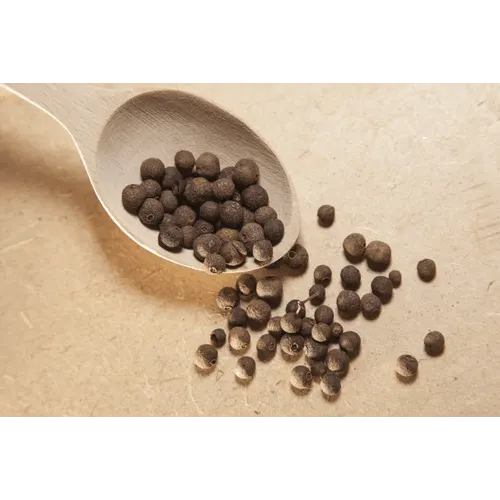 Allspice
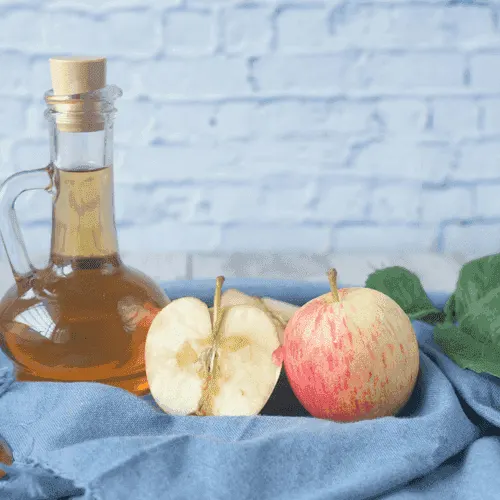 Apple cider vinegar
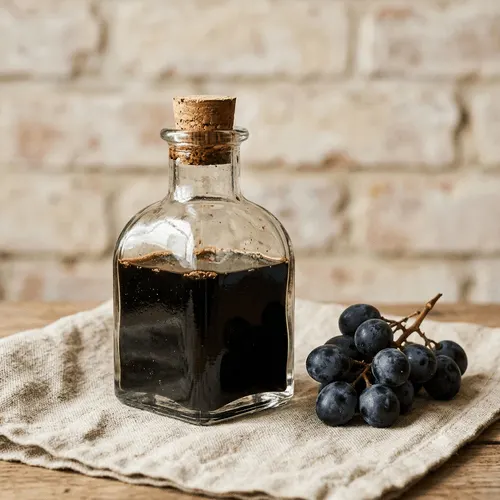 Balsamic vinegar
 Basil
Basil Bay leaf
 Black pepper
 Bourbon vanilla
 Capers
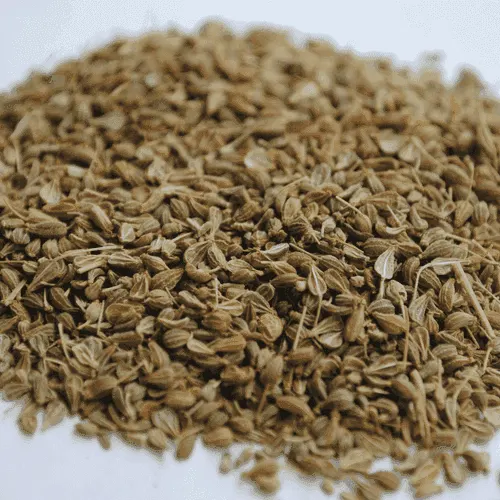 Caraway
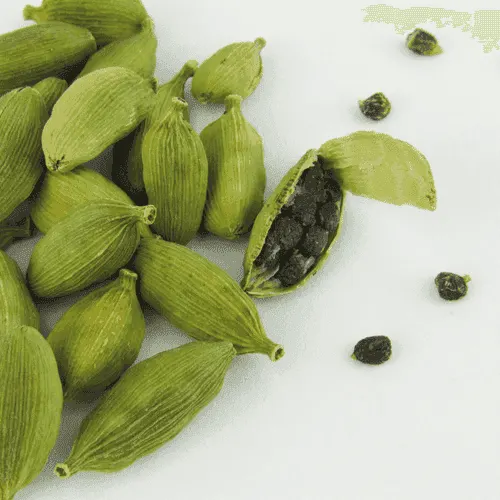 Cardamom
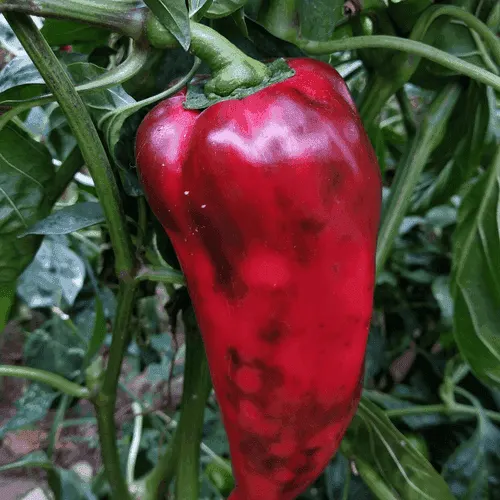 Cayenne pepper
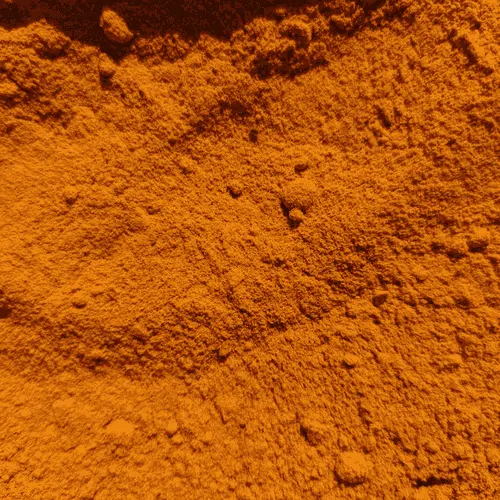 Chili powder
Frequently asked questions
Which intolerances does Sumac affect?
Sumac is notable for salicylate, histamine and oxalates. Clear on FODMAPs, lactose, gluten, fructose, oligosaccharides, sorbitol, sucrose, tyramine and nickel.
Does Sumac contain salicylate?
Yes — Sumac is high in salicylate. Sumac is a dried, ground berry used for its sourness, and it is one of the highest-salicylate spices measured. It is often used generously as a finishing sprinkle, which is where the dose comes from.
Does Sumac contain histamine?
Sumac contains only low levels of histamine. Sumac is dried plant material with no protein and no fermentation, so it produces no histamine of its own. It is used in pinches besides. Where a spice appears on an elimination list, it is usually as a liberator rather than a carrier.
Does Sumac contain oxalates?
Sumac contains only low levels of oxalates. Sumac is the dried, ground drupe of Rhus coriaria, a Levantine spice that appears in no published oxalate assay. Nobody eats a hundred grams of a spice. The level here reflects the portion, and both facts are true at once: concentrated in the jar, negligible on the plate. Amounts vary by brand and recipe, so always check the label of the exact product.
Check any product in seconds
Scan a barcode with the Yllo app and see straight away whether a product fits your intolerances.