Safflower
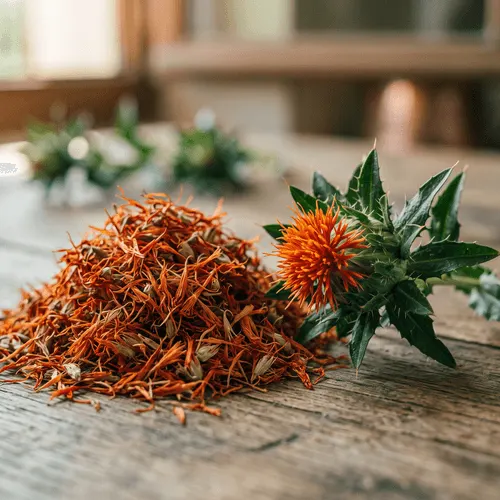
Other names Carthamus tinctorius, safflower petals
Safflower: low in salicylate. If you're sensitive to any of these, check it against your profile before eating.
Intolerances
- SalicylateLow
Safflower reaches a food as a colouring: the yellow pigments of the petal extract, used in fractions of a percent. It is a dried flower like the ones that carry little salicylate here, and no assay covers the safflower itself.
Sources· 1
- Zhou X et al., Food Res Int (2022), quinochalcone pigments across 144 safflower cultivars
- FODMAPsNone
- LactoseFODMAPsNone
- Histamine (+liberators / DAO inhibitors)None
- GlutenNo
- FructoseFODMAPsNone
- OligosaccharidesFODMAPsNone
- SorbitolFODMAPsNone
- SucroseNone
- TyramineNone
- NickelNone
- OxalatesNone
Intolerance levels are based on our documented scientific sources. See sources →
React to Salicylate? Check these too










More in Spices
 Allspice
 Apple cider vinegar
 Balsamic vinegar
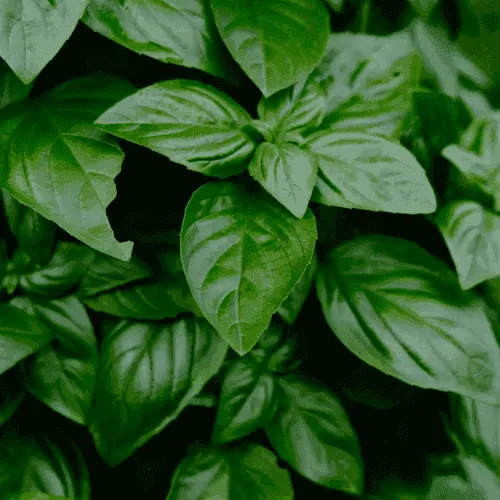 Basil
Basil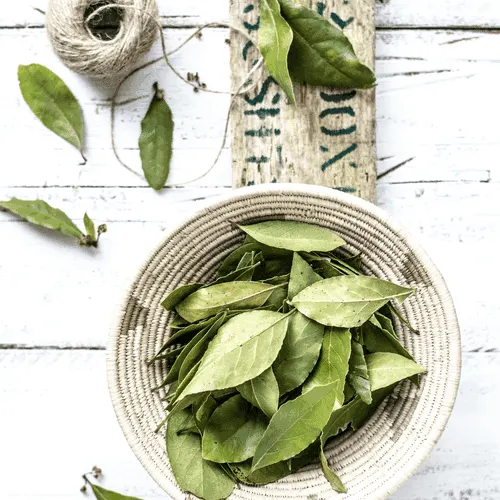 Bay leaf
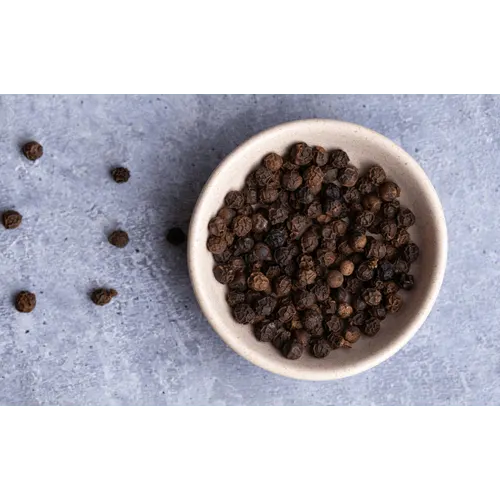 Black pepper
 Bourbon vanilla
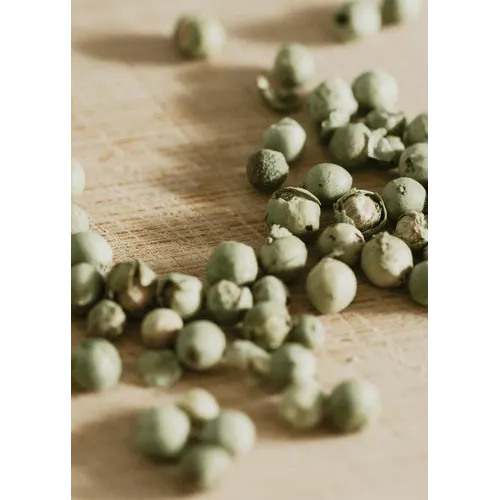 Capers
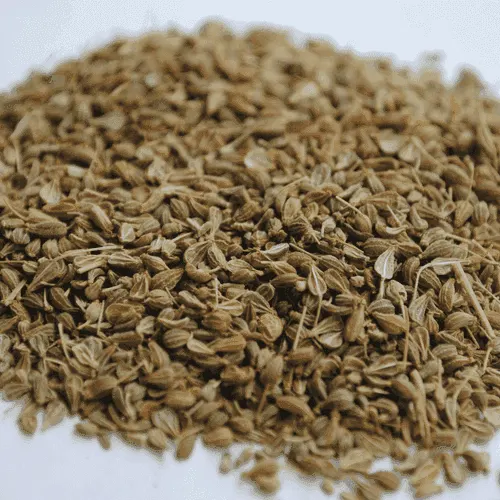 Caraway
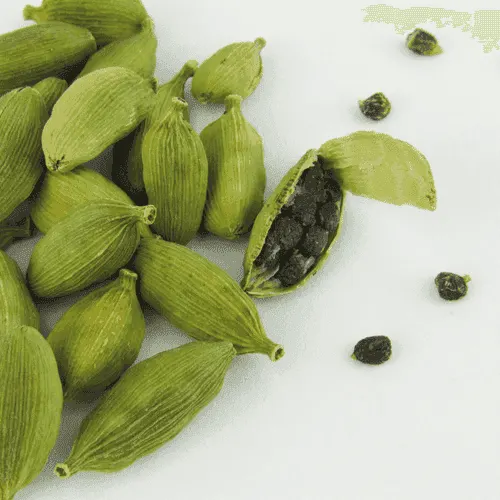 Cardamom
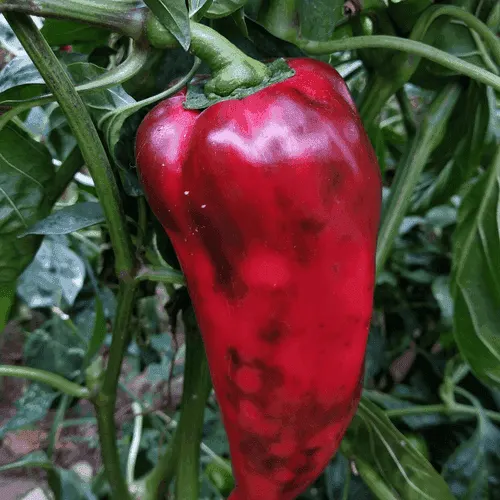 Cayenne pepper
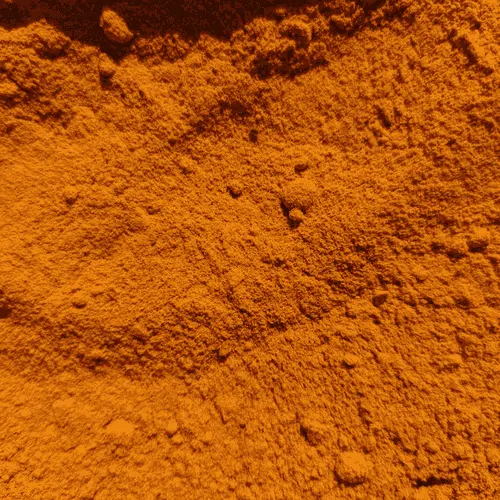 Chili powder
Frequently asked questions
Which intolerances does safflower affect?
Safflower is notable for salicylate. Clear on FODMAPs, lactose, histamine, gluten, fructose, oligosaccharides, sorbitol, sucrose, tyramine, nickel and oxalates.
Does safflower contain salicylate?
Safflower contains only low levels of salicylate. Safflower reaches a food as a colouring: the yellow pigments of the petal extract, used in fractions of a percent. It is a dried flower like the ones that carry little salicylate here, and no assay covers the safflower itself. Amounts vary by brand and recipe, so always check the label of the exact product.
Check any product in seconds
Scan a barcode with the Yllo app and see straight away whether a product fits your intolerances.