Mustard
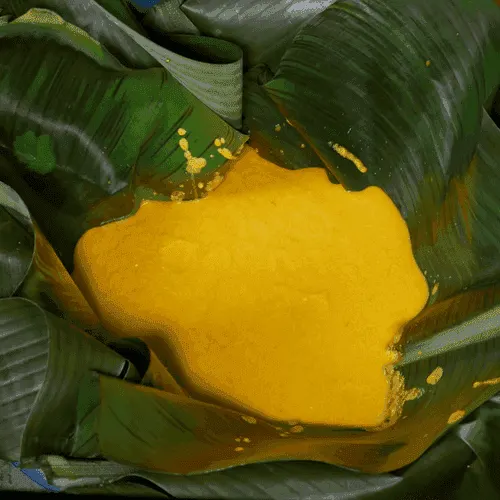
Other names mustard seeds, mustard powder
Mustard: high in salicylate; moderate in sucrose; low in FODMAPs, histamine, gluten, fructose, oligosaccharides, nickel and oxalates. If you're sensitive to any of these, check it against your profile before eating.
Intolerances
- SalicylateHigh
Mustard seed is high in salicylates and prepared mustard adds vinegar and often spices on top. It is used in small repeated amounts, which is exactly how a daily total builds without being noticed.
- SucroseModerate
Prepared mustard is sweetened in most styles - honey mustard obviously, but the American yellow kind too. Dijon and plain seed mustards carry far less sucrose.
Sources· 1
- USDA FoodData Central, the national nutrient database, queried for the sugar profile
- FODMAPsLow
Mustard is a seed condiment, and the seed carries little fructan; what keeps it comfortable is the spoonful rather than the concentration. The Monash tables put the serve at about 11 g of mustard, and 20 to 23 g for Dijon — a threshold answers how much, not how concentrated. What varies is the jar: honey mustard brings its own sugar, and some prepared mustards are built on garlic. For grams per hundred the papers are the source, not the app.
Sources· 3
- Tuck C et al., J Hum Nutr Diet 31 (2018), FODMAP content of common plant-based and processed foods
- USDA FoodData Central, the national nutrient database, queried for the sugar profile
- Monash University FODMAP composition tables and app, for the serve threshold
- Histamine (+liberators / DAO inhibitors)Low
Mustard is seed ground with vinegar, and the vinegar is the part that carries histamine - it is a fermented product. Wine-based mustards carry more than those made with plain white vinegar.
- GlutenPossible
Mustard seed is gluten-free. The jar may not be: wheat flour is used as a thickener in some prepared mustards, and malt vinegar is barley-derived. Dijon and plain yellow differ on both counts. What a label may promise is set by regulation and not by a recipe: 828/2014 allows "gluten-free" at or below 20 mg/kg, sets the conditions oats must meet, and admits wheat-derived ingredients in a gluten-free food provided the finished product stays under that ceiling. It measures nothing — it says what a food must meet to carry the claim, which is exactly what a food name cannot tell you.
Sources· 2
- Commission Implementing Regulation (EU) No 828/2014, the conditions for a gluten-free claim
- Regulation (EU) No 1169/2011, Annex II, the fourteen allergens requiring declaration
- FructoseFODMAPsLow
Mustard seed carries no fructose. Prepared mustards vary - honey mustard is a different food entirely on this axis, and the name says so.
Sources· 1
- USDA FoodData Central, the national nutrient database, queried for the sugar profile
- OligosaccharidesFODMAPsLow
Mustard is seed, vinegar and salt, and mustard seed carries no fructan worth counting. What would change the answer is a flavoured mustard - honey, or the garlic in an aioli-style jar.
- NickelLow
Mustard is ground seed mixed with vinegar, and the vinegar is the part worth noting - acid stored in a metal container draws a little metal out over time. The nickel here follows a study of SPICES that analysed the powder directly instead of digesting it first.
Sources· 1
- Virgilio A. et al., J Braz Chem Soc 26:10 (2015) 1988-1993, Cd, Ni and V in spices by solid-sampling HR-CS GF-AAS
- OxalatesLow
Mustard as a condiment is seed, vinegar and water, so the seed's own content is diluted before the portion divides it again. Nobody eats a hundred grams of a spice. The level here reflects the portion: the oxalate is concentrated in the jar and negligible on the plate, and both are true at once.
- LactoseFODMAPsNone
- SorbitolFODMAPsNone
- TyramineNone
Intolerance levels are based on our documented scientific sources. See sources →
Note about this food
FODMAPs – watch additives: Mustard itself is low FODMAP at typical serving sizes (11g serving confirmed by Monash; Dijon mustard low FODMAP at 20-23g) . However, some commercial mustards contain high-FODMAP ingredients like onion powder, garlic powder, inulin, or wheat flour . Always check ingredient labels.
React to Salicylate? Check these too










More in Spices
 Allspice
 Apple cider vinegar
 Balsamic vinegar
 Basil
Basil Bay leaf
 Black pepper
 Bourbon vanilla
 Capers
 Caraway
 Cardamom
 Cayenne pepper
 Chili powder
Frequently asked questions
Which intolerances does mustard affect?
Mustard is notable for salicylate, sucrose, FODMAPs, histamine, gluten, fructose, oligosaccharides, nickel and oxalates. Clear on lactose, sorbitol and tyramine.
Does mustard contain salicylate?
Yes — mustard is high in salicylate. Mustard seed is high in salicylates and prepared mustard adds vinegar and often spices on top. It is used in small repeated amounts, which is exactly how a daily total builds without being noticed.
Does mustard contain sucrose?
Mustard contains moderate levels of sucrose. Prepared mustard is sweetened in most styles - honey mustard obviously, but the American yellow kind too. Dijon and plain seed mustards carry far less sucrose.
Does mustard contain FODMAPs?
Mustard contains only low levels of FODMAPs. Mustard is a seed condiment, and the seed carries little fructan; what keeps it comfortable is the spoonful rather than the concentration. The Monash tables put the serve at about 11 g of mustard, and 20 to 23 g for Dijon — a threshold answers how much, not how concentrated. What varies is the jar: honey mustard brings its own sugar, and some prepared mustards are built on garlic. For grams per hundred the papers are the source, not the app.
Does mustard contain histamine?
Mustard contains only low levels of histamine. Mustard is seed ground with vinegar, and the vinegar is the part that carries histamine - it is a fermented product. Wine-based mustards carry more than those made with plain white vinegar. Amounts vary by brand and recipe, so always check the label of the exact product.
Check any product in seconds
Scan a barcode with the Yllo app and see straight away whether a product fits your intolerances.