Lactose-free cheese
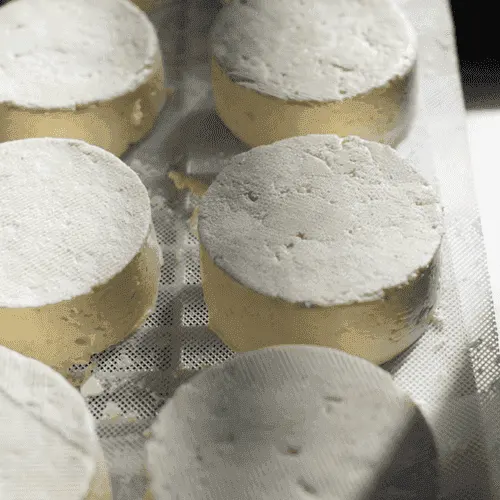
Other names Fromage sans lactose
Lactose-free cheese: moderate in histamine and tyramine. If you're sensitive to any of these, check it against your profile before eating.
Intolerances
- Histamine (+liberators / DAO inhibitors)Moderate
Lactose-free cheese is the clearest demonstration that these two axes are unrelated: the lactose is removed by adding lactase, which does nothing to the protein - and histamine comes from the protein. A lactose-free aged cheddar has exactly the histamine of an aged cheddar.
Sources· 2
- Maintz & Novak, Am J Clin Nutr 2007
- Zuberbier et al., EAACI/GA2LEN urticaria guideline
- TyramineModerate
Lactose-free cheese demonstrates that these two axes are unrelated: the lactose is removed by adding lactase, an enzyme that acts on sugar and does nothing to protein - and tyramine comes from protein. A lactose-free mature cheddar has exactly the tyramine of a mature cheddar.
Sources· 3
- EFSA Panel on Biological Hazards, Scientific Opinion on tyramine and histamine in fermented foods, EFSA Journal 2011
- McCabe-Sellers et al., J Food Compos Anal 2006
- Gardner et al., J Clin Psychiatry 1996
- FODMAPsNone
- LactoseFODMAPsNone
- GlutenNo
- FructoseFODMAPsNone
- OligosaccharidesFODMAPsNone
- SorbitolFODMAPsNone
- SucroseNone
- SalicylateNone
- NickelNone
- OxalatesNone
Intolerance levels are based on our documented scientific sources. See sources →
React to Histamine (+liberators / DAO inhibitors)? Check these too






More in Dairy
 Blue cheese
- Brie
 Buffalo mozzarella
 Buttermilk
 Camembert
 Casein
 Cheddar
 Cream
Cream- Cream cheese
 Crème fraîche
 Edam
Edam- Emmental
Frequently asked questions
Which intolerances does Lactose-free cheese affect?
Lactose-free cheese is notable for histamine and tyramine. Clear on FODMAPs, lactose, gluten, fructose, oligosaccharides, sorbitol, sucrose, salicylate, nickel and oxalates.
Does Lactose-free cheese contain histamine?
Lactose-free cheese contains moderate levels of histamine. Lactose-free cheese is the clearest demonstration that these two axes are unrelated: the lactose is removed by adding lactase, which does nothing to the protein - and histamine comes from the protein. A lactose-free aged cheddar has exactly the histamine of an aged cheddar.
Does Lactose-free cheese contain tyramine?
Lactose-free cheese contains moderate levels of tyramine. Lactose-free cheese demonstrates that these two axes are unrelated: the lactose is removed by adding lactase, an enzyme that acts on sugar and does nothing to protein - and tyramine comes from protein. A lactose-free mature cheddar has exactly the tyramine of a mature cheddar. Amounts vary by brand and recipe, so always check the label of the exact product.
Check any product in seconds
Scan a barcode with the Yllo app and see straight away whether a product fits your intolerances.