Hard cheese
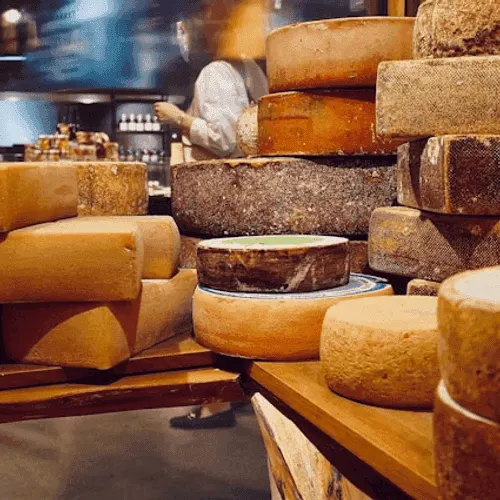
Other names firm cheese
Hard cheese: high in histamine and tyramine; low in FODMAPs. If you're sensitive to any of these, check it against your profile before eating.
Intolerances
- Histamine (+liberators / DAO inhibitors)High
"Hard cheese" on an ingredient list is a category rather than a cheese, and it is used precisely when the maker does not want to name one - in sauces, ready meals and grated mixtures. Assume the long-aged end of the range, and its histamine with it, because that is what gets bought in bulk for flavour.
Sources· 3
- Fox PF, Cheese - Chemistry, Physics and Microbiology, vol. 1
- McCabe-Sellers et al., J Food Compos Anal 2006
- Maintz & Novak, Am J Clin Nutr 2007
- TyramineHigh
'Hard cheese' on an ingredient list is a category, not a cheese, and it is used precisely when the maker will not name one. Assume the long-aged end: cheese bought in bulk for a sauce or a ready meal is bought for flavour, and flavour means age, and age means tyramine.
Sources· 3
- EFSA Panel on Biological Hazards, Scientific Opinion on tyramine and histamine in fermented foods, EFSA Journal 2011
- McCabe-Sellers et al., J Food Compos Anal 2006
- Gardner et al., J Clin Psychiatry 1996
- FODMAPsLow
Hard cheese is low because the lactose is gone, eaten by the starter bacteria over weeks of ripening. Lactose is the D of the acronym, and an aged cheese has almost none left - which is why hard cheese is one of the few dairy foods a low-FODMAP diet keeps.
- SalicylateNone
- SucroseNone
- LactoseFODMAPsNone
This is where the gradient ends — a long-aged hard cheese has effectively no lactose left. Two things strip it: the whey (which carries the lactose) drains away at the curd stage, and the starter cultures eat what little stays behind over the months of ageing. The older the cheese, the less lactose. Parmesan, aged cheddar, gruyere and comte are usually fine even for people who react to milk. The figure behind that has a name and a limit worth carrying: 109 samples across 12 cheese types, analysed for the UK Galactosaemia Support Group, found NEITHER LACTOSE NOR GALACTOSE detectable in gruyere, emmental, jarlsberg, parmigiano, grana padano and mature cheddar. Comte is not among the twelve, so it takes its place here from the same ageing that empties the others, not from a measurement.
Sources· 1
- Portnoi PA & MacDonald A, J Hum Nutr Diet 22 (2009), 400-408, 109 samples of 12 cheese types analysed for the UK Galactosaemia Support Group
- OligosaccharidesFODMAPsNone
- SorbitolFODMAPsNone
- FructoseFODMAPsNone
- NickelNone
- OxalatesNone
- GlutenNo
Intolerance levels are based on our documented scientific sources. See sources →
React to Histamine (+liberators / DAO inhibitors)? Check these too




More in Dairy
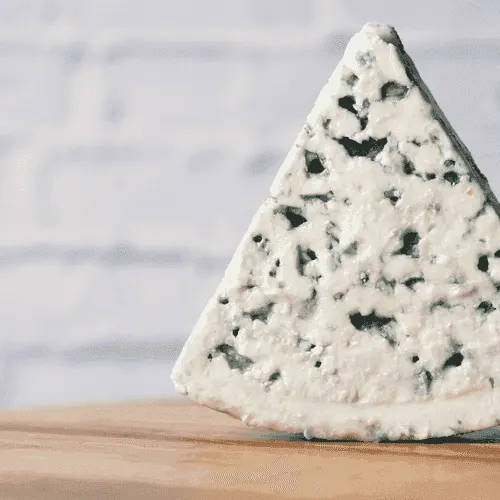 Blue cheese
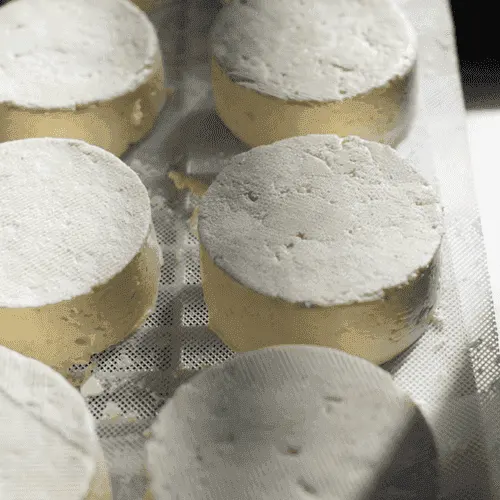 Brie
Brie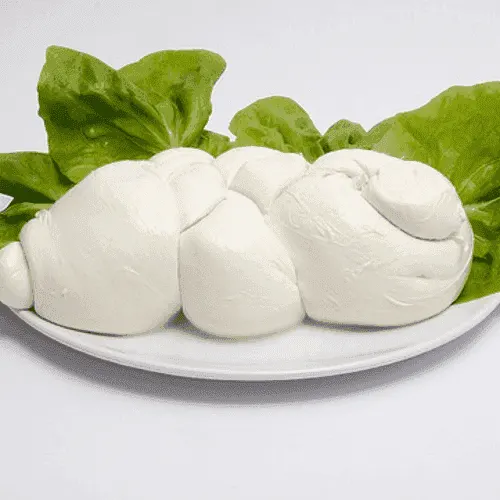 Buffalo mozzarella
 Buttermilk
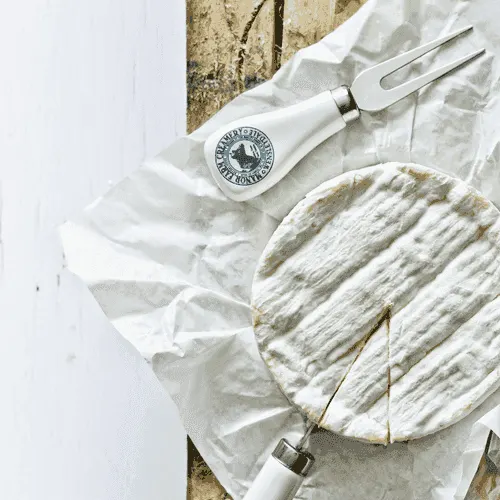 Camembert
 Casein
- Cheddar
 Cream
Cream- Cream cheese
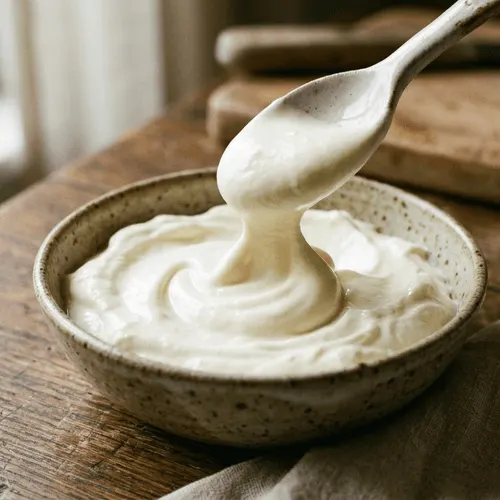 Crème fraîche
 Edam
Edam- Emmental
Frequently asked questions
Which intolerances does hard cheese affect?
Hard cheese is notable for histamine, tyramine and FODMAPs. Clear on salicylate, sucrose, lactose, oligosaccharides, sorbitol, fructose, nickel, oxalates and gluten.
Does hard cheese contain histamine?
Yes — hard cheese is high in histamine. "Hard cheese" on an ingredient list is a category rather than a cheese, and it is used precisely when the maker does not want to name one - in sauces, ready meals and grated mixtures. Assume the long-aged end of the range, and its histamine with it, because that is what gets bought in bulk for flavour.
Does hard cheese contain tyramine?
Yes — hard cheese is high in tyramine. 'Hard cheese' on an ingredient list is a category, not a cheese, and it is used precisely when the maker will not name one. Assume the long-aged end: cheese bought in bulk for a sauce or a ready meal is bought for flavour, and flavour means age, and age means tyramine.
Does hard cheese contain FODMAPs?
Hard cheese contains only low levels of FODMAPs. Hard cheese is low because the lactose is gone, eaten by the starter bacteria over weeks of ripening. Lactose is the D of the acronym, and an aged cheese has almost none left - which is why hard cheese is one of the few dairy foods a low-FODMAP diet keeps. Amounts vary by brand and recipe, so always check the label of the exact product.
Check any product in seconds
Scan a barcode with the Yllo app and see straight away whether a product fits your intolerances.