Trout
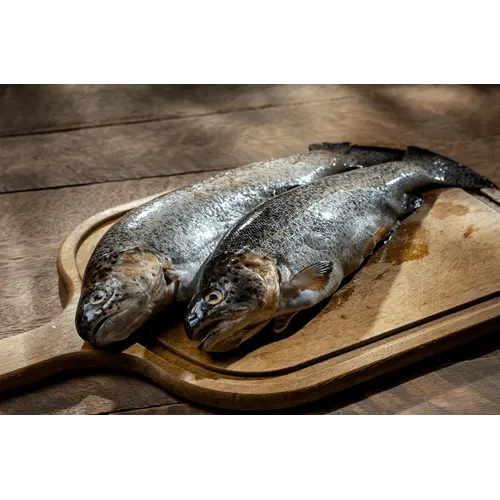
Trout: low in histamine. If you're sensitive to any of these, check it against your profile before eating.
Intolerances
- Histamine (+liberators / DAO inhibitors)Low
Trout is a lean freshwater fish with little free histidine, and the practical question is which trout: a whole fresh one from a farm counter behaves like the rainbow trout entry, while smoked trout has spent days being cured and belongs with the smoked fish. The word alone does not tell you. Krizek measured the rainbow trout among three freshwater species and found no toxicologically significant histamine in any sample still of good or acceptable quality. The legal 100 and 200 mg/kg limits are written for the histidine-rich scombroids, not for this fish — which does not exempt it from the clock.
Sources· 3
- McCabe-Sellers et al., J Food Compos Anal 2006
- Krizek M. et al., Acta Vet Brno 80 (2011) 365-374, carp, rainbow trout and perch stored at 3 °C and 15 °C
- Reg. (EC) No 2073/2005 as amended, for the 100 and 200 mg/kg limits
- FODMAPsNone
- LactoseFODMAPsNone
- GlutenNone
- FructoseFODMAPsNone
- OligosaccharidesFODMAPsNone
- SorbitolFODMAPsNone
- SucroseNone
- TyramineNone
- SalicylateNone
- NickelNone
- OxalatesNone
Intolerance levels are based on our documented scientific sources. See sources →
React to Histamine (+liberators / DAO inhibitors)? Check these too


More in Fish
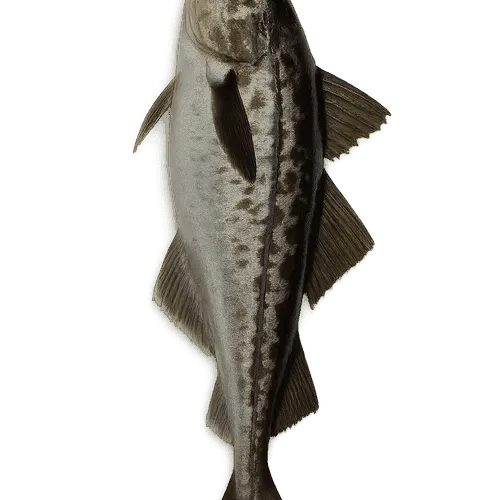 Alaska pollock
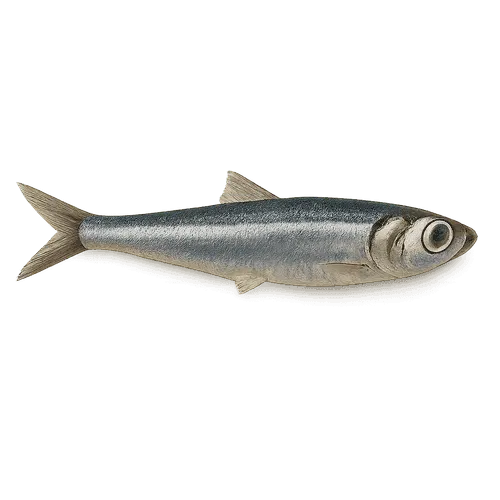 Anchovy
 Anglerfish
 Atlantic herring
 Atlantic wolffish
 Carp
Carp Cod
Cod Crayfish
 Haddock
 Hake
Hake- Halibut
 Herring
Frequently asked questions
Which intolerances does trout affect?
Trout is notable for histamine. Clear on FODMAPs, lactose, gluten, fructose, oligosaccharides, sorbitol, sucrose, tyramine, salicylate, nickel and oxalates.
Does trout contain histamine?
Trout contains only low levels of histamine. Trout is a lean freshwater fish with little free histidine, and the practical question is which trout: a whole fresh one from a farm counter behaves like the rainbow trout entry, while smoked trout has spent days being cured and belongs with the smoked fish. The word alone does not tell you. Krizek measured the rainbow trout among three freshwater species and found no toxicologically significant histamine in any sample still of good or acceptable quality. The legal 100 and 200 mg/kg limits are written for the histidine-rich scombroids, not for this fish — which does not exempt it from the clock. Amounts vary by brand and recipe, so always check the label of the exact product.
Check any product in seconds
Scan a barcode with the Yllo app and see straight away whether a product fits your intolerances.