Shrimp
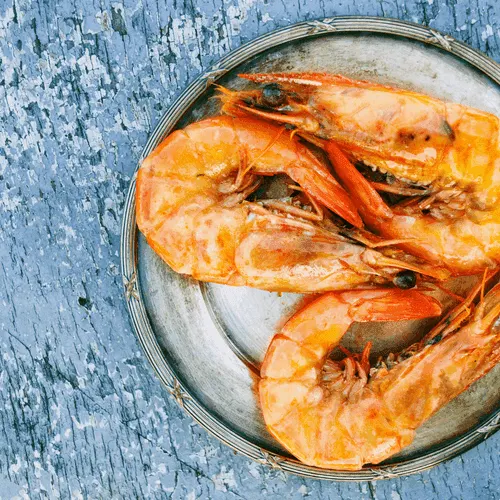
Other names prawn
Shrimp: moderate in histamine. If you're sensitive to any of these, check it against your profile before eating.
Intolerances
- Histamine (+liberators / DAO inhibitors)Moderate
Shrimp are histamine LIBERATORS: they prompt the body to release its own histamine, so they can cause symptoms while being perfectly fresh and low in histamine themselves. That is the part no cold chain fixes. Their own histamine climbs with temperature on top of it, and fermented shrimp paste is a different food again - sampled products run around 382 mg/kg and some exceed 500. The Swiss list rates it 2 of 3 under “shrimp” and marks it H! for rapid histamine formation and L for liberators of mast cell mediators. The letters are a presumed reason, not a measurement. Visciano names the four things that decide how much histamine forms in raw seafood — storage temperature, handling, which decarboxylase-carrying microbes are present, and how much free amino acid there is for them — and none of them is the species. The liberation above is SIGHI's classification, not this paper's: it is about amines formed in the food, not released by the body.
Sources· 3
- Visciano P, Schirone M, Tofalo R & Suzzi G, Front Microbiol 3:188 (2012), on the factors governing amine formation in raw and processed seafood
- McCabe-Sellers et al., J Food Compos Anal 2006
- SIGHI — Swiss Interest Group Histamine Intolerance, food-compatibility list (2024-08-29), for the entry, its rating and its letters
- FODMAPsNone
- LactoseFODMAPsNone
- GlutenNo
- FructoseFODMAPsNone
- OligosaccharidesFODMAPsNone
- SorbitolFODMAPsNone
- SucroseNone
- TyramineNone
- SalicylateNone
- NickelNone
- OxalatesNone
Intolerance levels are based on our documented scientific sources. See sources →
React to Histamine (+liberators / DAO inhibitors)? Check these too
More in Fish
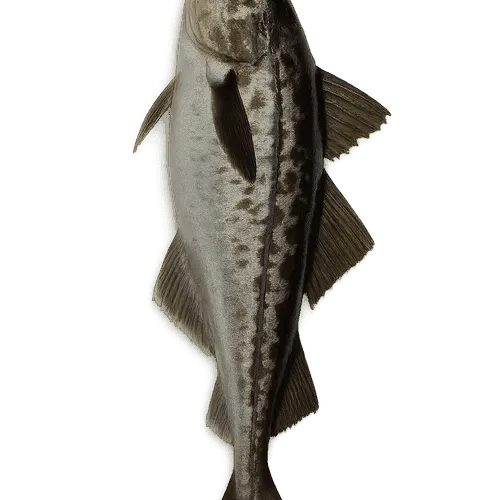 Alaska pollock
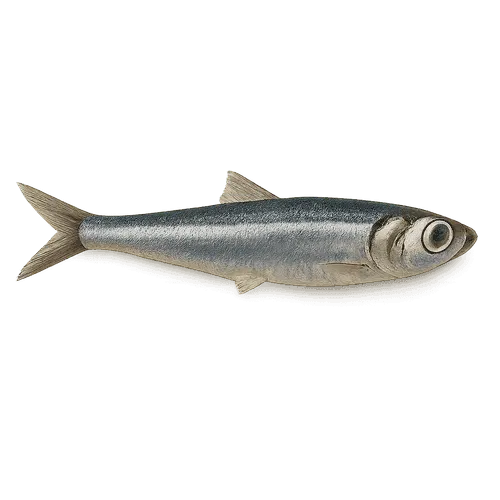 Anchovy
 Anglerfish
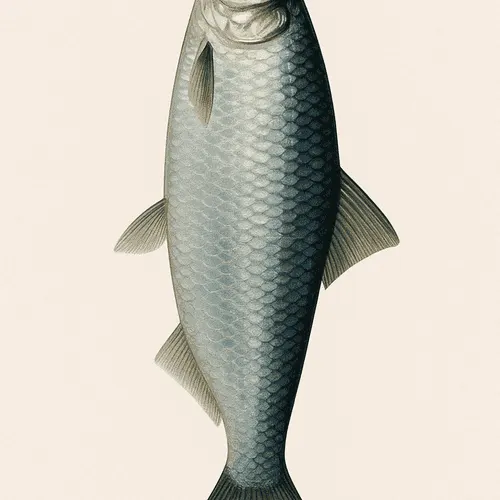 Atlantic herring
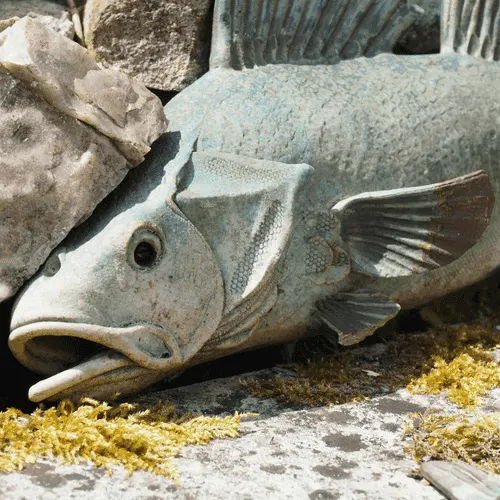 Atlantic wolffish
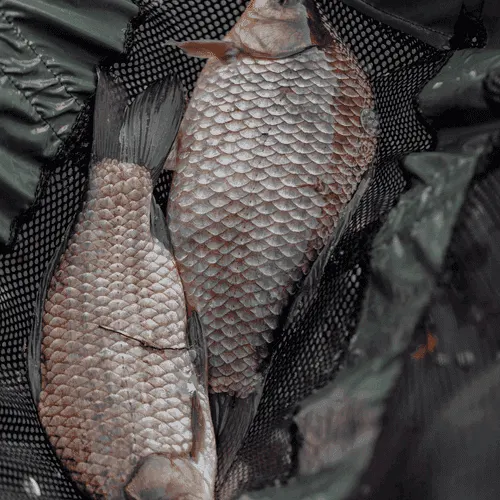 Carp
Carp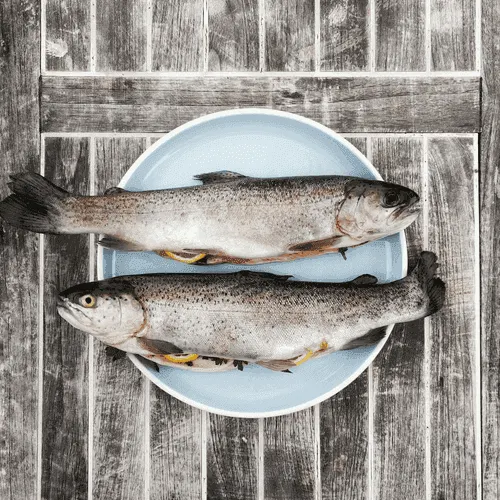 Cod
Cod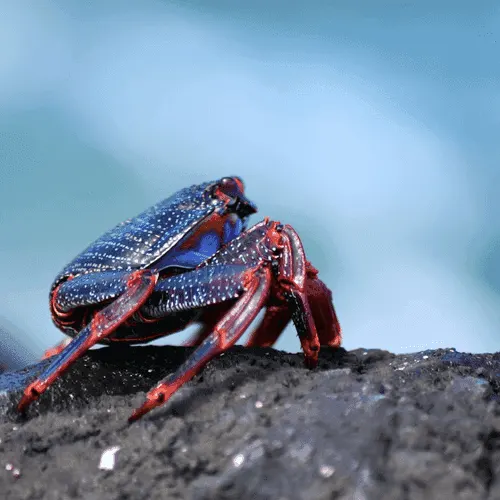 Crayfish
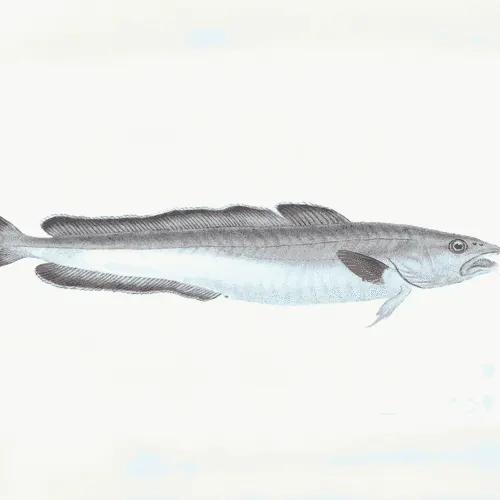 Haddock
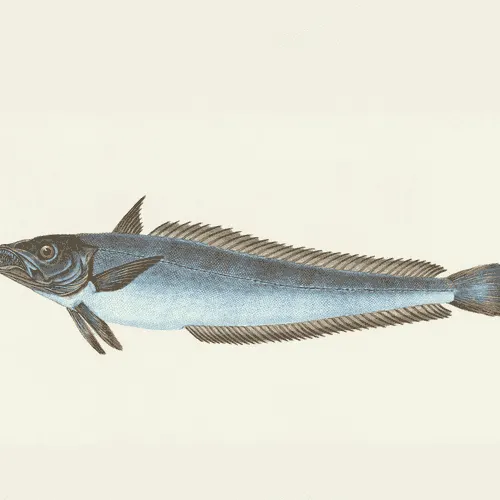 Hake
Hake- Halibut
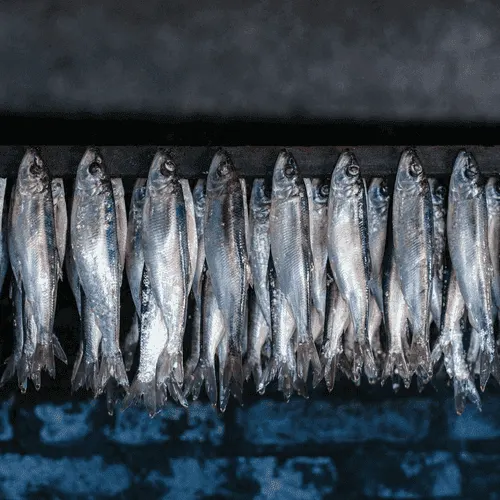 Herring
Frequently asked questions
Which intolerances does shrimp affect?
Shrimp is notable for histamine. Clear on FODMAPs, lactose, gluten, fructose, oligosaccharides, sorbitol, sucrose, tyramine, salicylate, nickel and oxalates.
Does shrimp contain histamine?
Shrimp contains moderate levels of histamine. Shrimp are histamine LIBERATORS: they prompt the body to release its own histamine, so they can cause symptoms while being perfectly fresh and low in histamine themselves. That is the part no cold chain fixes. Their own histamine climbs with temperature on top of it, and fermented shrimp paste is a different food again - sampled products run around 382 mg/kg and some exceed 500. The Swiss list rates it 2 of 3 under “shrimp” and marks it H! for rapid histamine formation and L for liberators of mast cell mediators. The letters are a presumed reason, not a measurement. Visciano names the four things that decide how much histamine forms in raw seafood — storage temperature, handling, which decarboxylase-carrying microbes are present, and how much free amino acid there is for them — and none of them is the species. The liberation above is SIGHI's classification, not this paper's: it is about amines formed in the food, not released by the body. Amounts vary by brand and recipe, so always check the label of the exact product.
Check any product in seconds
Scan a barcode with the Yllo app and see straight away whether a product fits your intolerances.